

6 Books to Help You Set Better Boundaries
There is a particular kind of exhaustion that comes from saying yes when every part of you wanted to say no. You hang up the phone, agree to something you dread, or swallow a feeling for the hundredth time, and then wonder why you feel so hollow. Most of us were never actually taught how to hold a boundary. We were taught to be polite, to keep the peace, to not make things awkward. And then we grew up and discovered that being endlessly accommodating has a cost.
The good news is that boundary-setting is a skill, not a personality trait you either have or you do not. Books on this topic range from clinical and structured to warm and conversational, which means there is genuinely something here for everyone, whether you are a chronic people-pleaser, someone recovering from a difficult relationship, or just a person who keeps ending up overcommitted and underappreciated. The six books below cover that whole range. None of them promise overnight miracles, but all of them offer something real and usable.
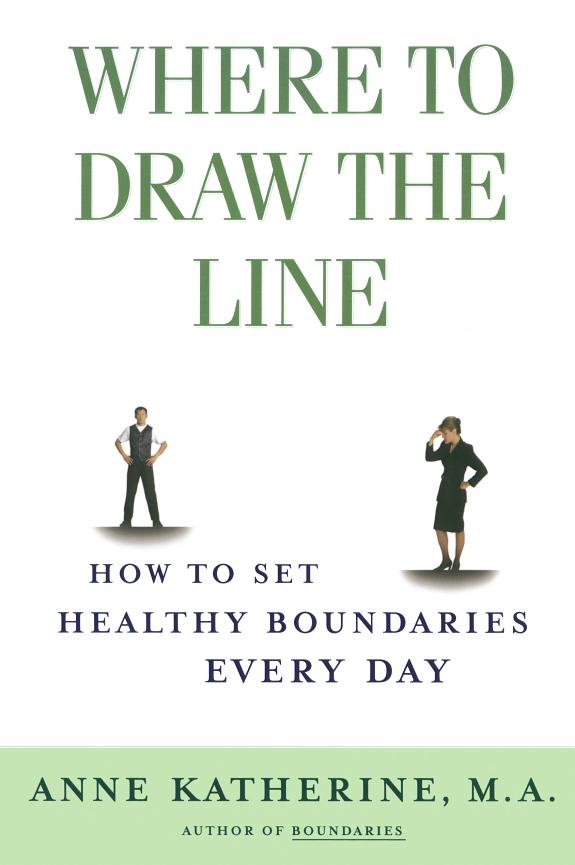
Where to Draw the Line: How to Set Healthy Boundaries Every Day
1. Where to Draw the Line: How to Set Healthy Boundaries Every Day by Anne Katherine
Anne Katherine has a quiet, methodical way of explaining boundaries that feels less like self-help and more like a thoughtful conversation with someone who has spent decades thinking carefully about human behavior. This book is organized around the different areas of life where boundaries tend to break down, including time, body, money, emotions, and relationships, and Katherine walks through each one with concrete examples and gentle guidance. The writing is calm and unhurried, which suits the subject matter well.
What sets this book apart from some of the louder titles in this genre is its specificity. Katherine does not just tell you that boundaries are important. She shows you what a violated boundary actually looks like in daily life, often in ways so familiar they are almost uncomfortable to read. The chapter on emotional boundaries alone is worth the price of the book. She explains how we absorb other people’s feelings as our own responsibility, and how that habit quietly erodes our sense of self over time.
The tone is compassionate without being saccharine. Katherine acknowledges that setting limits can feel genuinely frightening, especially for people who grew up in environments where their needs were ignored or punished. She does not minimize that difficulty. She simply offers a steady, practical path through it. If you have read flashier books on this topic and found them too abstract, this one tends to land differently.
“Boundaries are not walls. They are the lines that tell you where you end and someone else begins, and knowing that difference changes everything about how you move through the world.”
This is perfect for readers who prefer a structured, area-by-area approach to boundaries and want something grounded in clinical insight rather than motivational energy. It is not the right fit for someone looking for a fast, breezy read or a lot of personal storytelling.
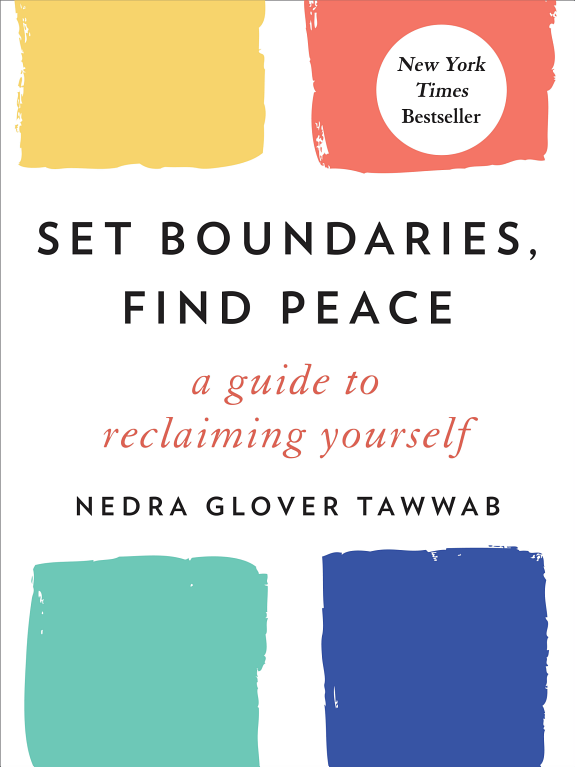
Set Boundaries, Find Peace: A Guide to Reclaiming Yourself
2. Set Boundaries, Find Peace: A Guide to Reclaiming Yourself by Nedra Glover Tawwab
Nedra Glover Tawwab is a therapist whose Instagram following grew largely because she has a gift for saying plainly what people have been struggling to articulate about their own lives. This book carries that same quality. It is direct, accessible, and full of the kind of observations that make you put the book down and stare at the ceiling for a moment. Tawwab writes about boundaries not as a trendy concept but as a genuine mental health necessity, and she backs that up with her clinical experience throughout.
One of the strongest aspects of this book is how clearly Tawwab explains the signs that your boundaries are already struggling. Things like resentment, exhaustion, anxiety, and avoidance are reframed here not as character flaws but as signals. That reframe alone is useful for a lot of readers who have spent years blaming themselves for feeling depleted. She also addresses the specific challenges that come up in different types of relationships, including family, friendships, romantic partnerships, and the workplace, which makes the book feel genuinely applicable rather than theoretical.
Tawwab does not shy away from the discomfort that comes with change. She is honest that when you start setting limits, some people in your life will not respond well, and she prepares you for that rather than pretending it will all go smoothly. There are reflection questions throughout the book that are genuinely useful, not just filler. The writing is warm but never preachy, which is a harder balance to strike than it looks.
“Resentment is often a sign that you’ve said yes when you meant no, or that you’ve stayed silent when you needed to speak.”
This is perfect for someone who wants a therapist-backed, readable guide that covers boundaries across multiple areas of life. It may feel too introductory for readers who have already done significant work in therapy or who want a more academic treatment of the subject.
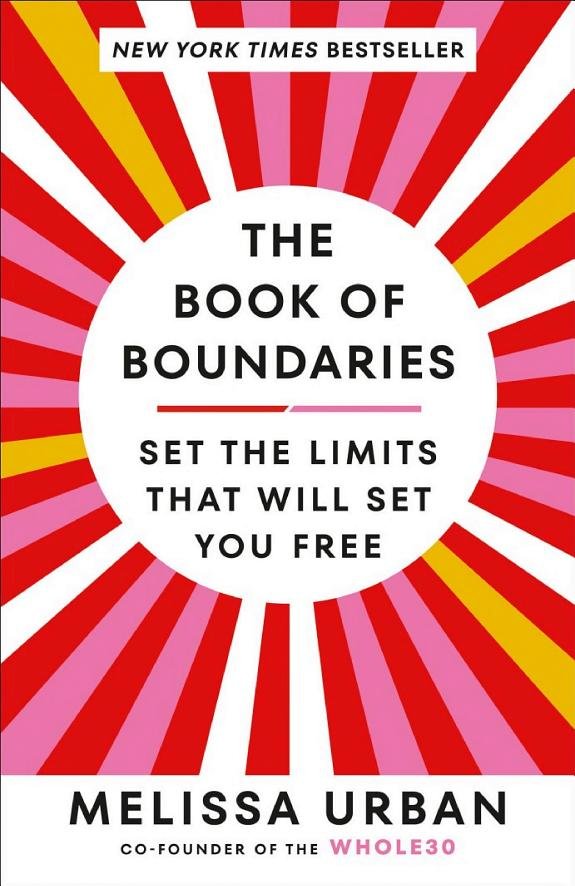
The Book of Boundaries: Set the Limits That Will Set You Free
3. The Book of Boundaries: Set the Limits That Will Set You Free by Melissa Urban
Melissa Urban, best known as the co-founder of Whole30, brings a no-nonsense voice to the boundaries conversation that is genuinely refreshing. This book is probably the most practical of the bunch in terms of scripts and language. Urban actually gives you the words to use in dozens of specific situations, from declining a second helping at a family dinner to telling a coworker to stop commenting on your personal life. If you have ever known you needed to say something but had absolutely no idea how to phrase it, this book is going to feel like a relief.
Urban is clear that she is not a therapist and does not pretend to be. What she offers instead is hard-won personal experience and a very organized framework for thinking about what you want your limits to look like and how to communicate them clearly. The book is divided into sections by relationship type, and each section includes real examples submitted by readers, which makes the whole thing feel grounded in actual human messiness rather than hypothetical scenarios. You will almost certainly recognize at least one situation that mirrors your own life.
The tone is confident and occasionally funny, which keeps the material from feeling heavy. Urban does not spend a lot of time on the psychological roots of boundary struggles, so if you are someone who needs to understand the why before you can work on the how, you might want to pair this with one of the other books on this list. But as a practical companion for real-life situations, it is hard to beat.
“A boundary is not an ultimatum or a punishment. It is simply a clear statement of what you will and will not accept, and what you will do if that line is crossed.”
This is perfect for people who already understand why boundaries matter and just need help figuring out what to actually say. It is less suited to readers who are still working through the emotional or psychological roots of their difficulty with limits.
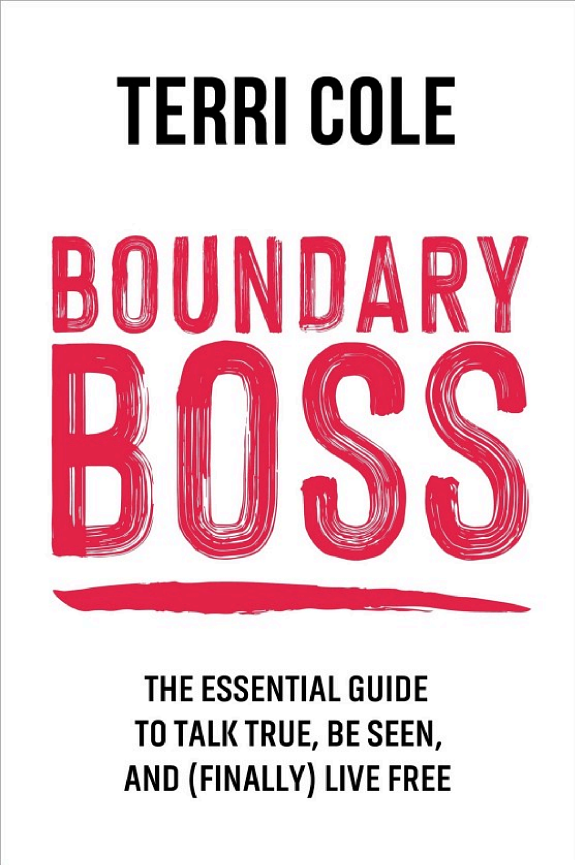
Boundary Boss: The Essential Guide to Talk True, Be Seen, and (Finally) Live Free
4. Boundary Boss: The Essential Guide to Talk True, Be Seen, and (Finally) Live Free by Terri Cole
Terri Cole is a licensed therapist and coach who writes with a lot of energy and warmth, and this book reflects that. Where some books in this space feel careful and measured, Boundary Boss has a more conversational, enthusiastic quality that some readers will find motivating and others might find a bit much. Cole draws heavily on her clinical background, but she also shares personal stories generously, which makes the book feel more like a conversation than a lecture.
One of Cole’s central ideas is what she calls the Boundary Blueprint, the unconscious set of rules about limits and self-expression that we absorbed from our families and early environments. She argues that most of our boundary struggles are not really about the present situation but about old, unexamined patterns we are still running on autopilot. That framing is genuinely useful and gives the book a slightly deeper psychological layer than some of its peers. Cole also spends meaningful time on the concept of over-giving, which is the tendency to do more than is asked or needed in relationships, often as a way of managing anxiety or seeking approval.
The book includes exercises and assessments throughout, and they are well-designed. Cole is particularly good on the topic of chronic over-apologizing and the way that habit signals to others that your needs are negotiable. If you are someone who says sorry approximately forty times a day for things that are not your fault, this section will feel very pointed. In a good way, mostly.
“You cannot pour from an empty cup is a cliche because it is true, but what nobody tells you is that many of us were trained to pour even when we are running on fumes.”
This is perfect for readers who want a therapist-guided approach with a warm, personal tone and structured exercises. It is probably not the best fit for readers who prefer a more restrained, academic style or who find high-energy self-help writing exhausting.
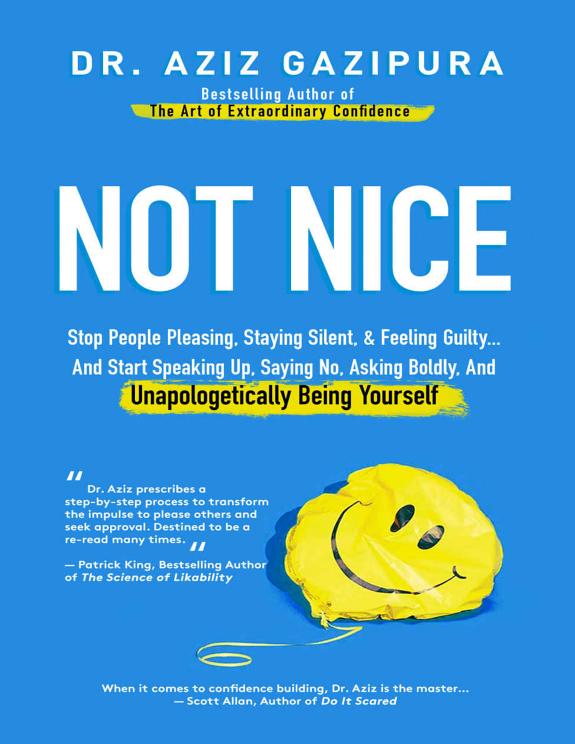
Not Nice: Stop People Pleasing, Staying Silent, & Feeling Guilty… And Start Speaking Up, Saying No, Asking Boldly, And Unapologetically Being Yourself
5. Not Nice: Stop People Pleasing, Staying Silent, and Feeling Guilty by Aziz Gazipura
Aziz Gazipura takes a slightly different angle than most of the other authors on this list. His focus is less on the mechanics of boundary-setting and more on the deep, often fear-based psychology underneath people-pleasing behavior. The full title is a mouthful, but the book itself is readable and surprisingly candid. Gazipura draws on his own history of social anxiety and chronic niceness, and that personal honesty gives the writing an authenticity that is hard to fake.
The core argument of the book is that what we call being nice is often not really about kindness at all. It is about fear. Fear of rejection, conflict, disapproval, and being seen as difficult. Gazipura unpacks that distinction carefully and with some compassion for why we develop these habits in the first place. He also addresses the guilt that tends to accompany any attempt to prioritize your own needs, and he is particularly good at explaining why that guilt is not actually a reliable moral compass, even though it feels like one.
The book gets into territory that some readers might find confrontational. Gazipura is not particularly interested in softening his message, and he pushes back against the idea that being endlessly accommodating is a virtue. Some people will find that refreshing. Others might find it a bit blunt, especially early in their boundary work when the emotional stakes still feel very high. The practical guidance is solid, though the book’s real strength is in shifting how you think about yourself and your patterns rather than giving you scripts for specific situations.
“Nice is not the same as kind. Kindness comes from genuine care. Nice often comes from fear, and the two feel completely different to everyone around you, even if they look the same on the surface.”
This is perfect for people who suspect their boundary struggles run deeper than just not knowing what to say, and who are ready to examine the fear and self-worth issues underneath. It is not the right book for someone in a fragile emotional place who needs a gentler approach.
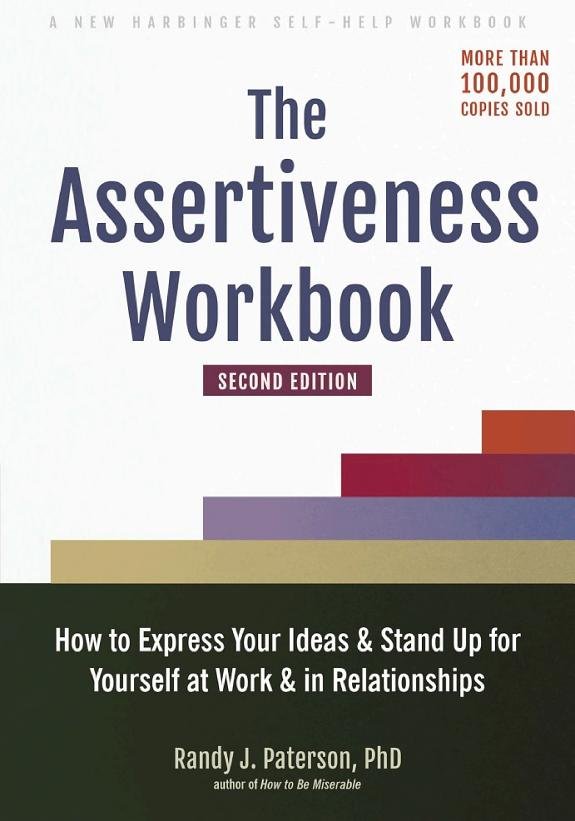
The Assertiveness Workbook: How to Express Your Ideas and Stand Up for Yourself at Work and in Relationships
6. The Assertiveness Workbook: How to Express Your Ideas and Stand Up for Yourself at Work and in Relationships by Randy J. Paterson
Randy J. Paterson is a psychologist, and this workbook reads like one. That is genuinely a compliment. Where some books in this genre prioritize inspiration, Paterson prioritizes skill-building, and the result is one of the most practically useful books on assertiveness available. The workbook format means there are exercises throughout, and they are the kind that actually require you to think and write rather than just read and nod.
Paterson grounds his approach in cognitive behavioral principles, which means the book is less about feelings and more about behavior and thought patterns. He explains how passive, aggressive, and assertive communication differ, not just in outcome but in the underlying beliefs that drive them. He is particularly good at helping readers identify the specific thoughts that make assertiveness feel dangerous or selfish, and then gently challenging those thoughts with evidence and alternative perspectives. It is methodical work, but it is effective.
The sections on workplace assertiveness are especially strong. A lot of books in this space focus almost entirely on personal relationships, so the attention Paterson gives to professional dynamics, including navigating difficult colleagues, pushing back on unreasonable requests, and advocating for yourself with managers, feels genuinely valuable. This is not a book you read once and put down. It is one you return to, work through, and probably have a few uncomfortable realizations in the margins of. Think of it as a workout plan for a skill most of us were never taught.
“Assertiveness is not about winning arguments or getting your way. It is about showing up honestly in your own life, which turns out to be harder and more necessary than most of us expect.”
This is perfect for readers who learn best through structured exercises and want a clinically grounded approach rooted in cognitive behavioral techniques. It is not the right fit for someone who finds workbook-style formats tedious or who is looking for a more narrative, storytelling-driven read.
What all six of these books share is a belief that your needs are legitimate and worth protecting. That sounds obvious, but for a lot of people it genuinely is not. Years of conditioning, difficult relationships, and cultural messaging about selflessness have a way of making ordinary self-respect feel like a radical act. These books, each in their own way, make the case that it is not radical at all. It is just necessary.
You do not have to read all six. In fact, picking one that matches where you actually are right now is probably the smarter move. If you are just starting to think about this stuff, Tawwab or Katherine might be the gentlest entry point. If you are ready to dig into the psychology, Gazipura or Cole will take you deeper. If you just need to know what to say at Thursday’s family dinner, Urban has you covered. And if you want to build the skill from the ground up with real exercises, Paterson is worth every slightly uncomfortable moment. Start somewhere. That is the whole point.