
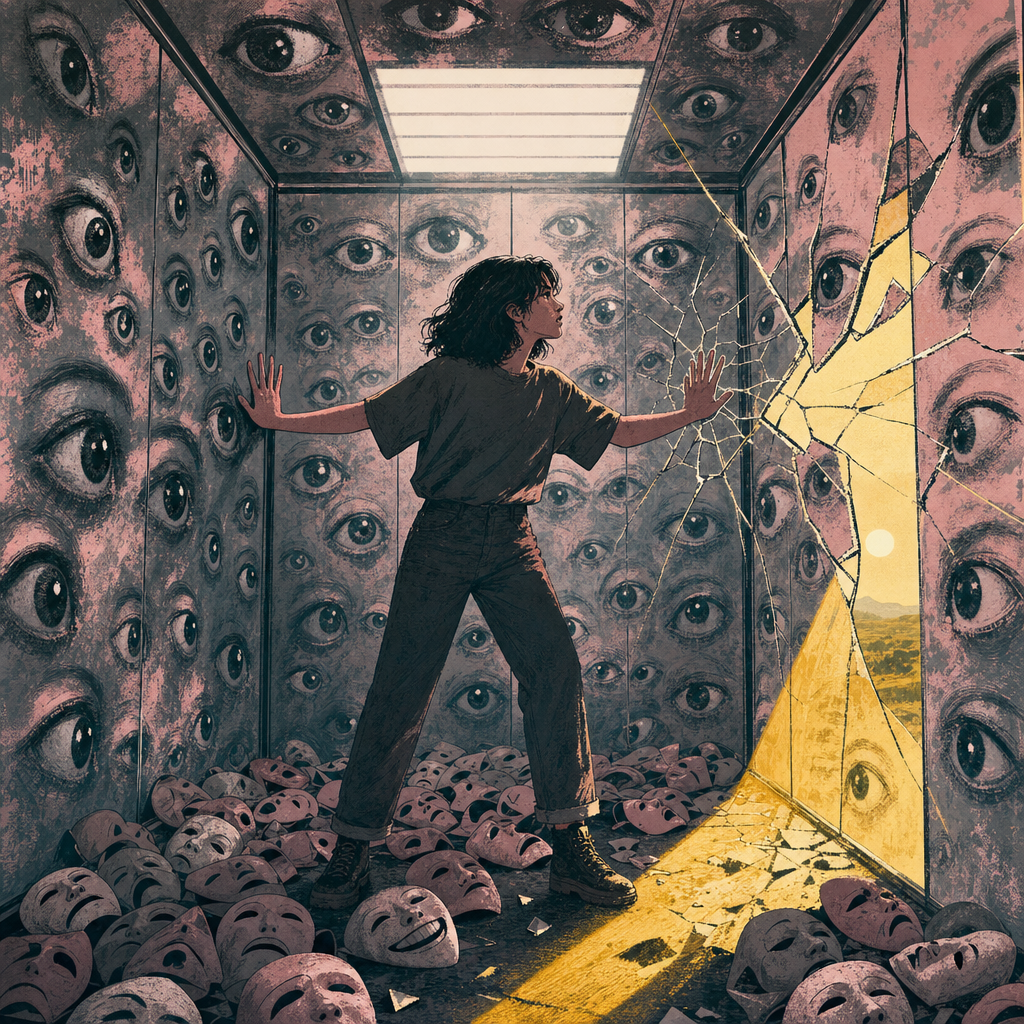
6 Books to Stop Caring What Other People Think
There is a particular kind of exhaustion that comes from spending your days quietly editing yourself. You soften your opinions before sharing them. You replay conversations at 2am wondering if you came across wrong. You make decisions based on what other people might think rather than what you actually want. It is tiring, and honestly, it is one of the most common struggles people carry around without ever naming it.
The good news is that a lot of thoughtful writers have wrestled with exactly this problem, and some of them have written books worth reading because of it. The six books below approach the topic from different angles, ranging from blunt self-help to philosophy to psychology to memoir. They do not all agree with each other, which is part of what makes reading them interesting. But each one offers something real for anyone trying to loosen the grip that other people’s opinions have on their daily life.
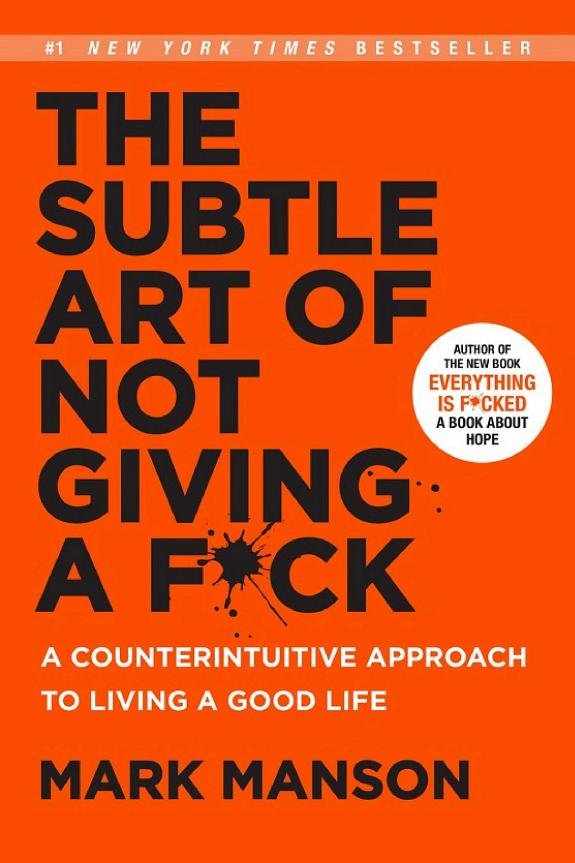
The Subtle Art of Not Giving a F*ck
1. The Subtle Art of Not Giving a F*ck by Mark Manson
Mark Manson has a gift for wrapping genuinely useful ideas in language that feels like a friend who has stopped being polite. This book is not about becoming indifferent to everything. It is about being deliberate with what you actually care about, because caring about too many things, especially other people’s opinions of you, is a fast road to a life that does not feel like yours. Manson draws on a mix of philosophy, psychology, and his own stumbles to make that case.
The central argument is that most of us default to caring about the wrong things because society, social media, and our own anxious brains keep pointing us toward external measures of worth. Manson pushes back on the relentless positivity of mainstream self-help and argues that accepting your limitations, your mortality, and your failures is actually where real confidence comes from. It is a more honest framing than most books in this space offer.
His writing style is conversational and occasionally crude, which will delight some readers and put others off completely. The humor lands more often than it does not, and the book moves quickly. It is not a deep philosophical treatise, and Manson does not pretend it is. What it is, is a readable and surprisingly grounded nudge toward caring less about what strangers think of your choices.
The book’s most useful insight is that you always get to choose what you give your attention to. The question is whether you are making that choice consciously or by default.
This is perfect for someone who finds traditional self-help a little too cheerful and wants a more direct, no-nonsense take on letting go of approval-seeking.
The Courage to Be Disliked
2. The Courage to Be Disliked by Ichiro Kishimi and Fumitake Koga
This one is structured as a dialogue between a philosopher and a young man who is frustrated with his life, and that format is either going to charm you or feel slightly theatrical. The philosopher introduces the ideas of Alfred Adler, an early twentieth century psychologist whose work gets far less attention than Freud or Jung but who had some remarkably modern things to say about freedom, community, and the trap of living for other people’s approval. The conversation unfolds over five nights, with the young man pushing back at every turn, which makes the philosophy feel earned rather than handed down.
Adler’s core idea, as presented here, is that all of our problems are fundamentally interpersonal problems. We suffer not because of our past or our circumstances but because of the meaning we assign to those things, and a huge portion of that meaning-making is tied up in how we think others see us. The book introduces the concept of separating your tasks from other people’s tasks, which is a practical way of asking: whose business is this actually? It sounds simple and it is not.
The philosophical framing gives the book a slower, more considered pace than most self-help titles. It rewards patience. If you are looking for a quick list of tips, this is not the right book. But if you want to sit with an idea and really examine it, the dialogue structure works beautifully. It is one of the more intellectually satisfying books in this genre.
The freedom Adler describes is real but uncomfortable. Being disliked by someone, when it comes from living honestly, is not a failure. It is sometimes the cost of a genuine life.
This is perfect for readers who enjoy philosophy, who want more than surface-level advice, and who are willing to sit with uncomfortable ideas rather than rush past them.
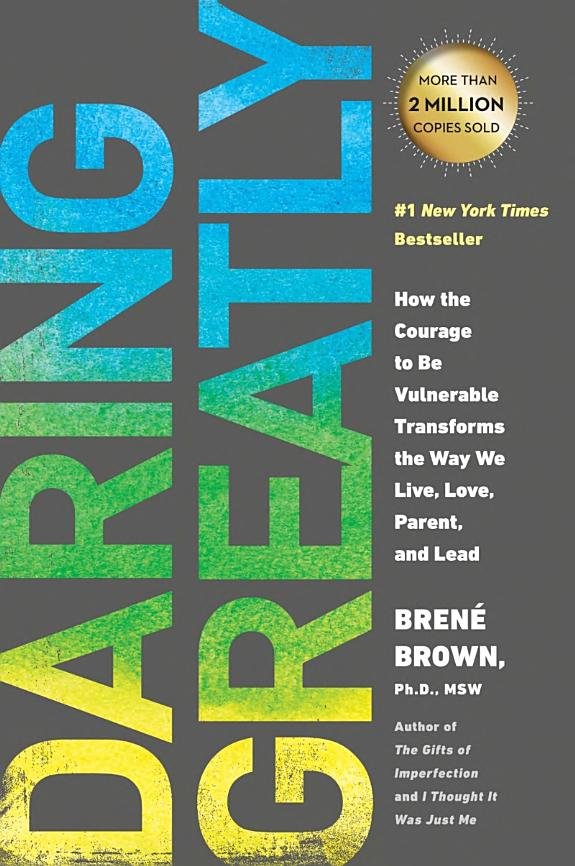
Daring Greatly
3. Daring Greatly by Brené Brown
Brené Brown spent years as a shame researcher before she became a household name, and that background shows in this book. Where other writers in this space talk about confidence and caring less, Brown talks about vulnerability and shame, which are the actual mechanics underneath the fear of other people’s judgment. Daring Greatly takes its title from a Theodore Roosevelt speech about the person in the arena, and the book is essentially a case for why showing up imperfectly is better than not showing up at all.
Brown’s research is qualitative, meaning it is built on interviews and stories rather than controlled studies, and she is upfront about that. Her writing is warm and personal, with plenty of her own experiences woven in. She is particularly good on the way shame operates differently for men and women, and on how vulnerability gets mistaken for weakness when it is actually the foundation of connection and courage. These are not new ideas, but she articulates them with a clarity that makes them feel fresh.
The book does get earnest, and if you are allergic to sincerity you may find it a bit much. Brown is not trying to be edgy or contrarian. She genuinely believes in the things she is writing about, and that comes through on every page. For some readers, that warmth will be exactly what they need. For others, it might feel like a little too much heart and not quite enough grit.
Brown’s argument is that we cannot selectively numb the difficult emotions without also numbing joy. The armor we build to avoid judgment ends up keeping out everything else too.
This is perfect for readers who want to understand the emotional roots of people-pleasing and who respond well to a compassionate, research-informed voice.
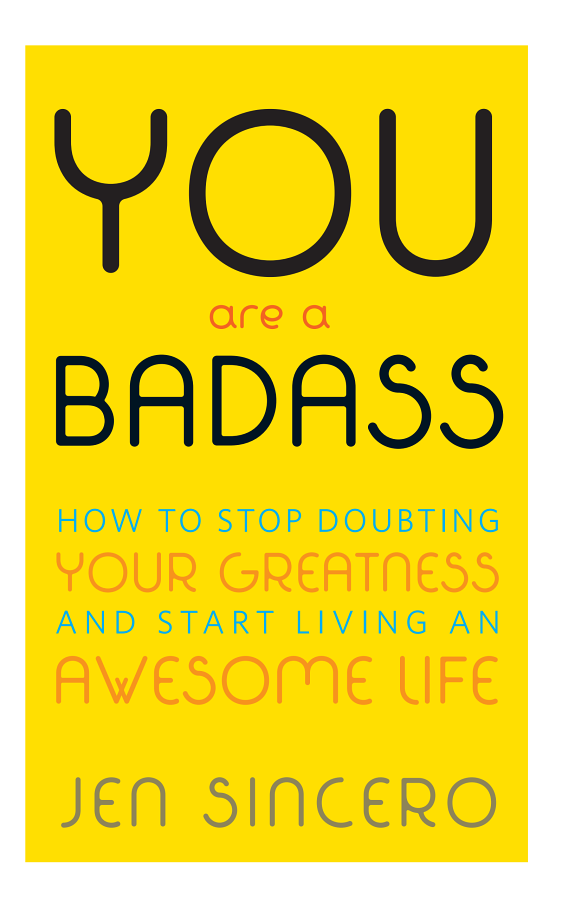
You Are a Badass
4. You Are a Badass by Jen Sincero
Jen Sincero writes the way someone talks when they are trying to get a friend off the couch and out the door. The tone is energetic, funny in a breezy way, and thoroughly uninterested in overthinking things. You Are a Badass is a self-help book in the most traditional sense, full of exercises, affirmations, and a genuine enthusiasm for the idea that most of us are holding ourselves back by caring too much about what other people think of our choices. It is not subtle, and it does not try to be.
The book covers a lot of ground, from self-worth and limiting beliefs to money and taking action, and it does so at a pace that keeps things moving. Sincero draws on her own story of financial struggle and eventual reinvention, which gives the book a personal grounding that stops it from feeling entirely abstract. Her voice is consistent throughout, chatty and encouraging without tipping into saccharine. She is also quite funny, which helps.
If you are a skeptic about the more metaphysical elements of self-help, some sections here will require a generous suspension of disbelief. Sincero leans into ideas about the universe and energy in ways that not everyone will find persuasive. The practical advice, though, is solid and accessible. Think of it as a motivational kick rather than a philosophical investigation, and you will get more out of it.
Sincero’s core message is simple but worth hearing: other people’s opinions of you are none of your business. The version of you they are judging is one they constructed themselves.
This is perfect for someone who wants a high-energy, accessible read and is not looking for heavy theory, just a direct push toward caring less about external approval.
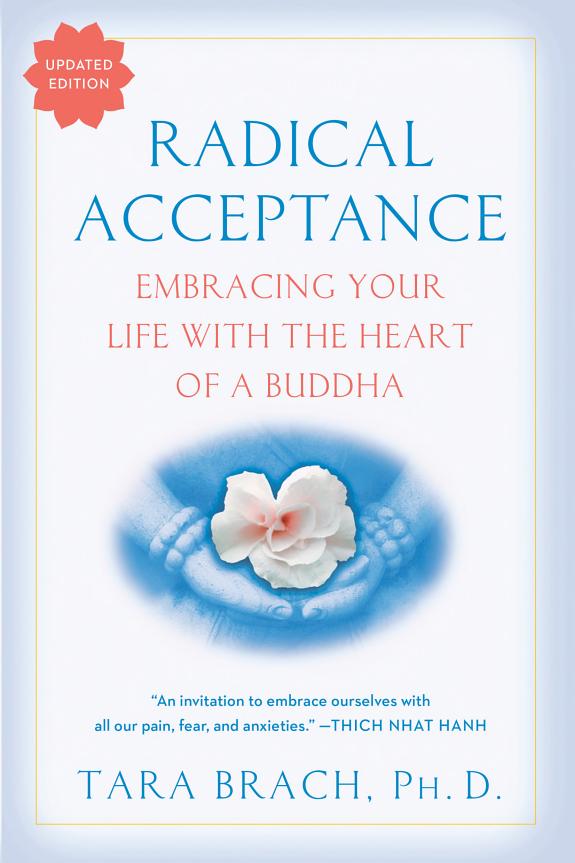
Radical Acceptance
5. Radical Acceptance by Tara Brach
Tara Brach is a psychologist and Buddhist meditation teacher, and this book sits at the intersection of those two worlds. Radical Acceptance is about the particular suffering that comes from believing, deep down, that something is fundamentally wrong with you. Brach calls this the trance of unworthiness, and she argues that much of our social anxiety and need for approval comes from this place rather than from vanity or weakness. It is a kinder and more psychologically precise diagnosis than most books in this space offer.
The book is full of stories from Brach’s therapy practice and her own meditation experience, and those stories are where it really comes alive. She writes about people who have spent decades performing for others, seeking approval, shrinking themselves, and she traces all of that back to a core belief that they are not enough as they are. The antidote she offers is not confidence in the conventional sense but something quieter: a willingness to meet yourself, and your experience, without flinching.
This is a slower, more contemplative read than the others on this list. It asks something of you. The meditations and practices woven through the chapters are genuinely useful if you engage with them, but this is not a book you can skim. Readers who are not drawn to mindfulness or Buddhist psychology may find the framework a little foreign, though Brach writes accessibly enough that the ideas translate even without a meditation background.
The most striking idea in the book is that radical acceptance is not resignation. It is the opposite. You cannot change what you will not first acknowledge, and you cannot acknowledge what you are too ashamed to look at.
This is perfect for readers dealing with deep-seated shame or self-criticism who want a gentle, psychologically grounded approach rooted in mindfulness rather than hustle.
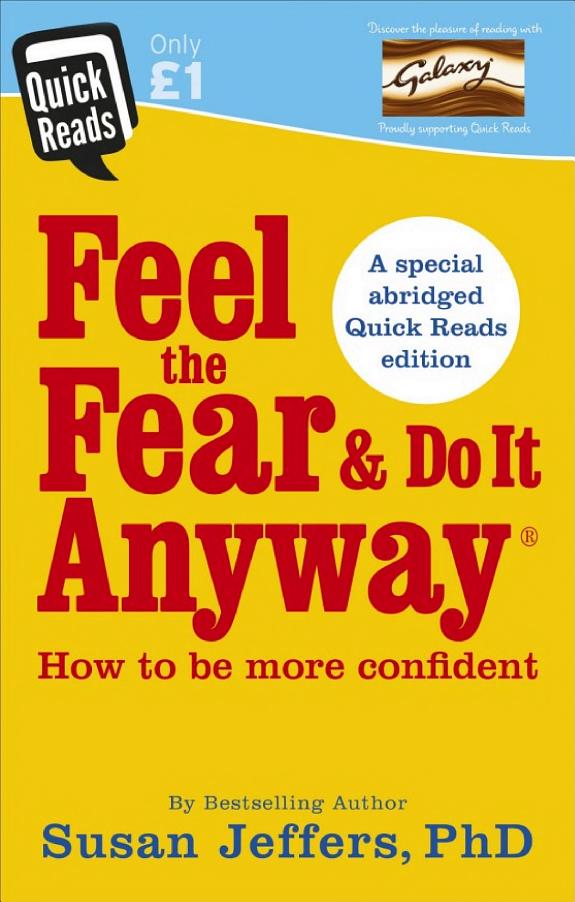
Feel the Fear and Do It Anyway
6. Feel the Fear and Do It Anyway by Susan Jeffers
Susan Jeffers published this book in 1987, and it has been in print ever since, which tells you something. The central premise is disarmingly simple: fear does not go away when you become more capable or more confident. It goes away when you decide that you can handle whatever happens. That shift, from waiting to feel fearless to accepting that fear is just part of the deal, is the whole book in a sentence. Jeffers spends the rest of the pages helping you actually internalize it.
The connection to caring about other people’s opinions is direct. A huge part of why we seek approval is fear, fear of rejection, of embarrassment, of being seen as foolish or wrong. Jeffers does not pretend that fear is irrational or that you should simply talk yourself out of it. Instead, she offers a framework for moving forward anyway, which is a more honest and practical approach than trying to eliminate the feeling entirely. The writing is clear and unpretentious, with a warmth that feels genuine rather than performed.
Some of the examples and cultural references show their age, and readers who came of age with more recent self-help may find the style a little dated. That said, the core ideas hold up remarkably well. This is not a book that has been eclipsed by newer titles so much as one that quietly influenced many of them. If you have read Manson or Sincero and want to go back to a foundational text, this is a good place to look.
Jeffers understood something that gets lost in more aggressive self-help writing: you do not have to stop being afraid of judgment. You just have to stop letting that fear make your decisions for you.
This is perfect for readers who want a time-tested, psychologically grounded approach to fear and approval-seeking, especially those who appreciate a calmer, more measured tone.
None of these books will flip a switch and make you permanently indifferent to what other people think. Anyone who promises that is selling something. What they can do, if you read them honestly and sit with the ideas, is help you notice the patterns. You start to catch yourself mid-edit, changing what you were about to say because of an imagined reaction from someone who probably was not paying that close attention anyway. That noticing is where things begin to shift.
Different books here will land differently depending on where you are. If you are carrying real shame, Tara Brach might be the place to start. If you want a philosophical framework, Kishimi and Koga. If you just need a nudge and a laugh, Manson or Sincero will do the job. The point is to start somewhere, because the alternative is another year of quietly editing yourself, and that gets old.