

8 Books That Help You Find Your Purpose
At some point, most of us sit with a quiet, uncomfortable question: what am I actually here for? It might show up during a long commute, at the tail end of a job that no longer fits, or somewhere between two in the morning and a cold cup of tea. Purpose is one of those things that feels urgent and slippery at the same time.
The good news is that writers, philosophers, psychologists, and a few very wise people have spent considerable time thinking through exactly this. The books on this list approach purpose from different angles, some through psychology, some through spirituality, some through design thinking, and some through lived experience that makes you stop and reread a paragraph three times. None of them promise easy answers. The good ones never do. But each one offers something worth sitting with.
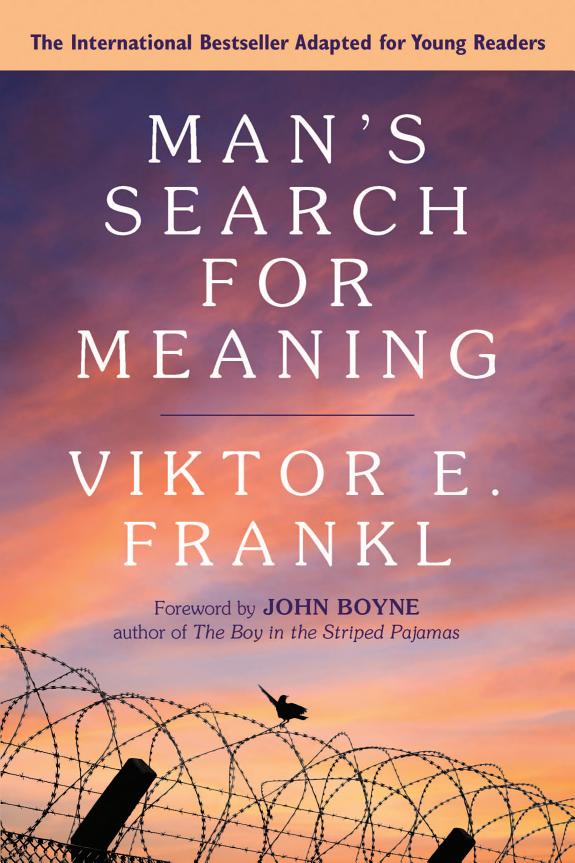
Man’s Search for Meaning
1. Man’s Search for Meaning by Viktor E. Frankl
Viktor Frankl was a psychiatrist who survived the Nazi concentration camps, and this book is both a memoir of that experience and an introduction to logotherapy, the school of thought he developed around the idea that meaning is the primary human motivation. It is a short book. It is also one of the heaviest things you will ever read, in the best possible sense.
Frankl’s central argument is that we cannot always control what happens to us, but we can control how we respond, and in that space of response lies the seed of purpose. He observed that prisoners who held onto some sense of meaning, whether a person waiting for them, a work left unfinished, or simply a commitment to bearing suffering with dignity, were more likely to survive. That observation became a framework for understanding human motivation that still holds up decades later.
The writing is spare and direct. Frankl does not dramatize unnecessarily. He simply tells you what he saw and what he concluded, and somehow that restraint makes the whole thing more affecting. There are passages here that philosophers have been quoting for seventy years, and they earn every citation.
Frankl does not tell you what your meaning should be. He insists that is entirely your job. He just makes a convincing case that finding it is worth the effort.
This is perfect for readers who want a philosophical foundation for thinking about purpose, especially those going through a difficult period and looking for something with real weight behind it. It is not for anyone seeking cheerful, step-by-step guidance.
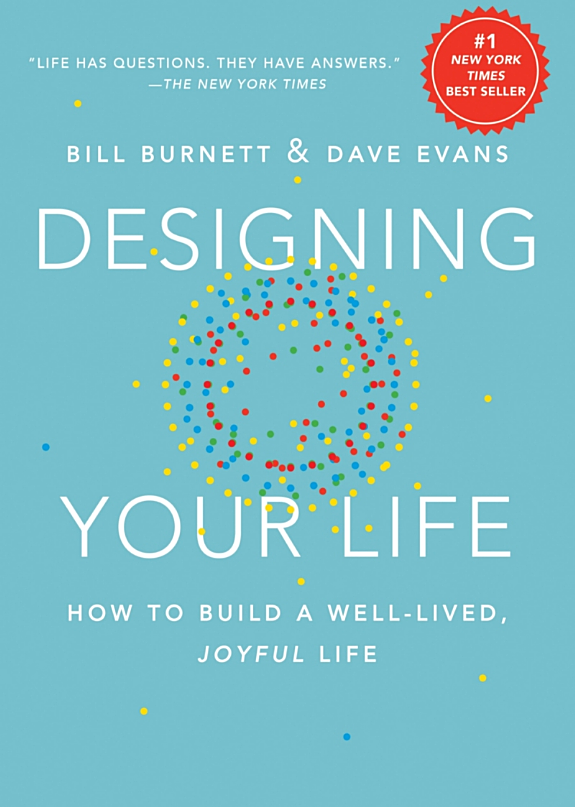
Designing Your Life
2. Designing Your Life by Bill Burnett and Dave Evans
Bill Burnett and Dave Evans are Stanford design professors who got tired of watching students freeze up when asked what they wanted to do with their lives. So they built a course around design thinking applied to life decisions, and this book is the result. It is practical in a way that most purpose books are not, and refreshingly unbothered by grand philosophical claims.
The core idea is that life, like a product, can be prototyped. You do not need to figure everything out before you start. You try things, gather data, adjust, and try again. The authors introduce tools like the workview and lifeview exercises, which ask you to articulate what you believe about work and about life separately, and then see where those two things either align or create tension. It sounds simple. It is surprisingly revealing.
There is a lightness to this book that makes it accessible without being shallow. Burnett and Evans have a dry, campus-lecture humor that keeps things moving, and they are genuinely good at dismantling the myths people carry about purpose, particularly the idea that there is one perfect life waiting for you if you just find the right answer.
The authors call the belief that there is one right answer to your life “the gravity problem,” and they argue, convincingly, that treating it as an unsolvable constraint is a choice, not a fact.
This is perfect for people who like structure and exercises, especially those at a career crossroads or recent graduates who feel paralyzed by options. It is probably not for readers who want deep philosophical exploration or who are put off by a workshop-style approach.
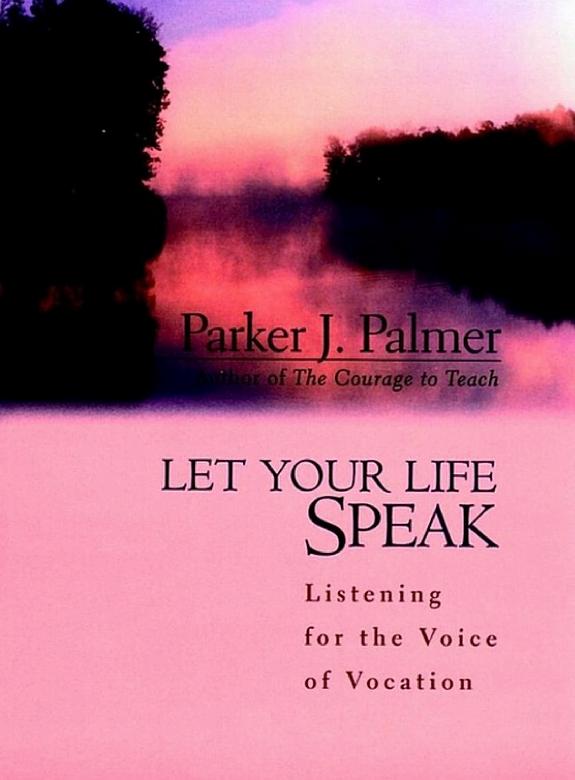
Let Your Life Speak
3. Let Your Life Speak by Parker J. Palmer
Parker Palmer is a Quaker educator and writer, and this slim book is among the most quietly honest things written about vocation. The title comes from a Quaker saying: before you tell your life what you intend to do with it, listen to what it intends to do with you. That sentence alone is worth the price of admission.
Palmer writes from his own experience, including a significant period of depression that he does not shy away from describing. He argues that we often pursue purpose by asking what the world needs and then trying to fit ourselves into that answer, when we should be starting from a more honest place: who we actually are, including our limits and failures. He makes a compelling case that our shadows are as instructive as our gifts.
The writing is gentle but not soft. Palmer has a way of saying uncomfortable things in a voice that feels like a conversation rather than a lecture. The book is short enough to read in an afternoon, but it tends to stay with you considerably longer than that.
Palmer suggests that depression, for him, was his soul’s way of refusing to live a life that was not his own. That reframe does not make depression easier, but it does make it meaningful.
This is perfect for readers drawn to spirituality, educators, or anyone in midlife who feels they have been living someone else’s version of their life. It is not for readers who want secular, data-driven frameworks or who are uncomfortable with spiritual language.
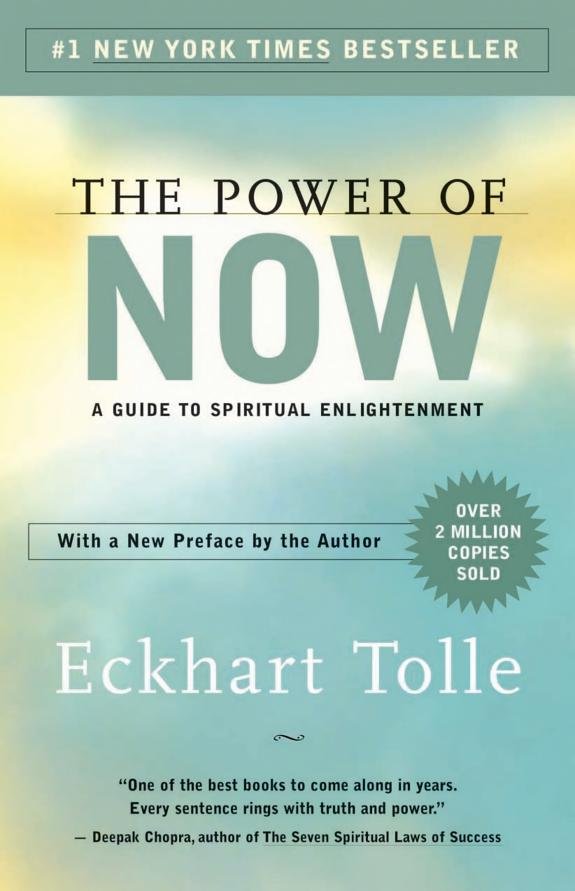
The Power of Now
4. The Power of Now by Eckhart Tolle
Eckhart Tolle’s book has sold tens of millions of copies, which means it has also attracted a fair amount of skepticism from people who assume that anything that popular must be fluffy. It is not exactly fluffy. It is, however, genuinely strange in places, and how much you get from it will depend significantly on your patience for spiritual language and your willingness to sit with ideas that resist tidy summarizing.
The central argument is that most human suffering comes from living in the past or the future rather than in the present moment, and that the ego, the story we tell ourselves about who we are, is the primary source of that suffering. Tolle’s connection to purpose is indirect but real: he argues that when you stop identifying so completely with your thoughts and history, you create space to act from something deeper and more authentic.
The book is structured as a dialogue, with Tolle answering questions from an imagined reader, which makes it feel more conversational than dense. Some sections land with genuine clarity. Others will make you wonder if you are missing something or if the author is. That ambiguity is part of the experience, for better or worse.
Tolle is not telling you to abandon your goals. He is suggesting that chasing purpose while lost in mental noise is like trying to read in a room where someone is shouting. The point is to quiet the room first.
This is perfect for readers open to spiritual or contemplative approaches to self-understanding, particularly those who feel trapped by anxious thinking or an overactive inner critic. It is not for readers who want empirical grounding or who find New Age language a barrier rather than a bridge.
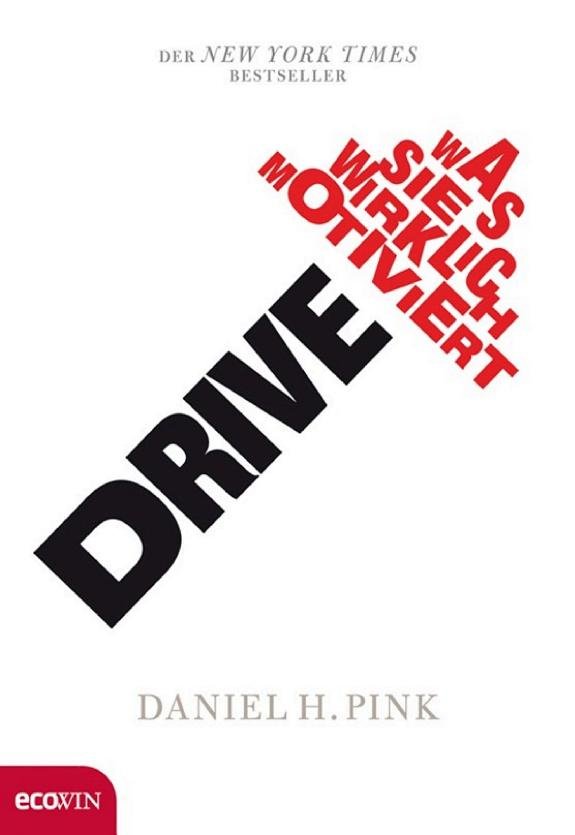
Drive
5. Drive by Daniel H. Pink
Daniel Pink is a journalist with a gift for synthesizing research into readable arguments, and Drive is one of his best efforts. The book takes on a deceptively simple question: what actually motivates people? His answer, backed by decades of behavioral science, is that the carrot-and-stick model most organizations and individuals rely on is not only incomplete but often counterproductive.
Pink identifies three elements of genuine motivation: autonomy, the desire to direct your own life; mastery, the urge to get better at things that matter; and purpose, the need to do what you do in service of something larger than yourself. That third element is where this book earns its place on this list. Pink argues that purpose is not a soft add-on to a career but a core driver of sustained engagement and satisfaction.
The book draws on research from figures like Mihaly Csikszentmihalyi and Edward Deci, but Pink keeps things accessible without dumbing them down. He also includes practical tools at the end of each section, which makes the book feel actionable rather than merely interesting. It is a book that holds up well on a reread, particularly if you are thinking about a career change or wondering why your current work feels hollow.
Pink’s research suggests that once basic financial needs are met, more money stops improving performance and often undermines it. Purpose, it turns out, is not a luxury. It is the fuel.
This is perfect for professionals, managers, and anyone trying to understand why certain work energizes them while other work drains them dry. It is less suited to readers looking for a deeply personal or spiritual exploration of meaning.
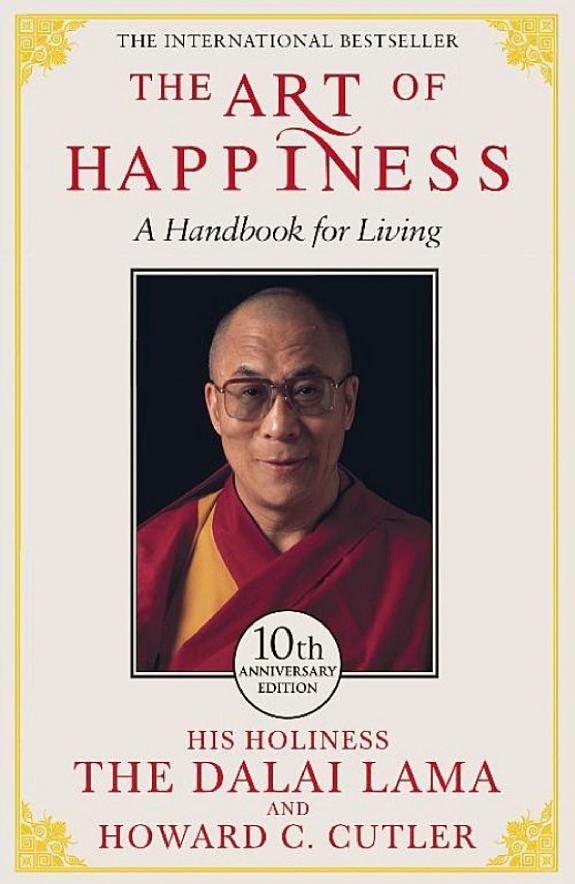
The Art of Happiness
6. The Art of Happiness by Dalai Lama and Howard C. Cutler
This book came out of a series of conversations between the Dalai Lama and Howard Cutler, an American psychiatrist who wanted to understand how the Dalai Lama thought about happiness, suffering, and the purpose of a human life. The result is an unusual hybrid: part interview, part psychological commentary, part philosophical exploration. It works better than it has any right to.
The Dalai Lama’s position is that the purpose of life is happiness, but he defines happiness in a way that has very little to do with pleasure or comfort. For him, it is a trained state of mind, cultivated through compassion, mental discipline, and a clear-eyed relationship with suffering. Cutler’s role is to translate and occasionally push back from a Western psychological perspective, which keeps the book from becoming a one-sided sermon.
What makes this book useful for thinking about purpose is the Dalai Lama’s insistence that happiness is not accidental. It is the result of how you train your attention and what you choose to value. That framing puts agency back in the reader’s hands without pretending that life is not also genuinely hard sometimes.
The Dalai Lama admits, with characteristic directness, that he sometimes gets irritated and that even he has to work at the mental habits he recommends. That honesty makes the whole thing considerably more credible.
This is perfect for readers curious about Buddhist philosophy who want an accessible entry point, and for anyone interested in how Eastern and Western approaches to the mind might inform each other. It is not for readers who want a purely secular, research-based framework.
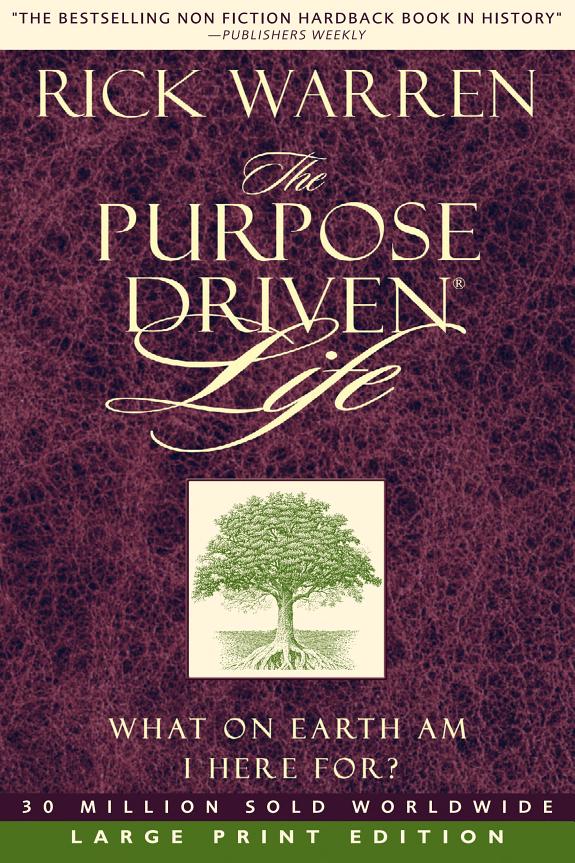
The Purpose Driven Life
7. The Purpose Driven Life by Rick Warren
Rick Warren’s book is one of the bestselling nonfiction books in history, and it comes from a distinctly Christian framework. That context is worth naming upfront, because this book is not trying to be universally applicable. It is written for Christian readers who want to understand their purpose through the lens of their faith, and within that context, it is thorough, warm, and genuinely well-constructed.
Warren’s central argument is that you cannot discover your purpose by looking inward, because purpose is not something you invent but something you are given by the God who created you. The book is structured as a forty-day devotional, with each chapter building on the last, covering themes like worship, fellowship, discipleship, ministry, and mission. The writing is clear and conversational, and Warren has a talent for making theological ideas feel immediate rather than abstract.
Even readers who do not share Warren’s faith may find something of value in his emphasis on community, service, and the idea that a meaningful life is oriented outward rather than inward. But it would be dishonest to suggest the book works equally well without the theological scaffolding. It does not. Nor does it try to.
Warren opens with a line that sets the tone for everything that follows: “It’s not about you.” Whether that lands as liberating or deflating probably tells you something about whether this is the right book for you.
This is perfect for Christian readers seeking a structured, faith-based exploration of purpose and calling. It is not for readers who are secular or who belong to other faith traditions, as the framework is explicitly and intentionally Christian throughout.
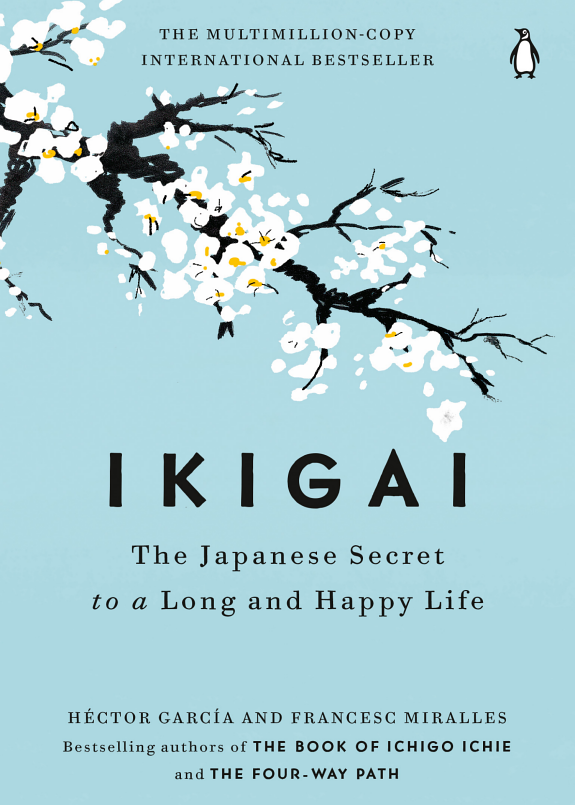
Ikigai: The Japanese Secret to a Long and Happy Life
8. Ikigai: The Japanese Secret to a Long and Happy Life by Héctor García and Francesc Miralles
Ikigai is a Japanese concept that roughly translates to “reason for being,” and it sits at the intersection of what you love, what you are good at, what the world needs, and what you can be paid for. Héctor García and Francesc Miralles traveled to Okinawa, one of the world’s Blue Zones where people regularly live past one hundred, to understand how ikigai functions in daily life. The book is part travel writing, part philosophy, and part gentle self-help.
What sets this book apart from the typical purpose framework is its insistence on smallness. The authors find that the people with the strongest sense of ikigai are not necessarily doing grand things. A fisherman who loves the sea, a tofu maker who has perfected his craft over decades, a woman who tends her garden every morning before breakfast. Purpose, in the Okinawan model, does not require a calling. It requires attention and commitment to something real.
The book is not long or dense, and some readers find it a little light on depth. That criticism is fair. But its lightness is also partly the point: ikigai is not a complicated philosophy to be mastered but a quiet orientation to be lived. The authors write with genuine affection for the people they interviewed, and that warmth comes through on every page.
One of the centenarians interviewed says she wakes up every morning because she wants to see what her garden will look like today. That is ikigai. Small, specific, and entirely hers.
This is perfect for readers who feel overwhelmed by big-picture purpose questions and want a gentler, more everyday approach to meaning. It is also good for anyone curious about Japanese culture and philosophy. It is not for readers who want rigorous research or a deep philosophical framework.
Purpose is not a destination you arrive at and then relax into. Most of the books on this list, in their different ways, make that clear. It is something you return to, revise, and sometimes lose sight of entirely before finding again. The fact that so many thoughtful people have written about it from so many angles is itself a kind of reassurance: the question is worth asking, and you are not alone in asking it.
If you are not sure where to start, let your current situation guide you. Feeling philosophically unmoored? Frankl or Palmer. Stuck in a career rut and needing practical tools? Burnett and Evans or Pink. Looking for a spiritual anchor? Tolle, the Dalai Lama, or Warren, depending on your tradition. Wanting something quieter and more everyday? The Okinawan fishermen are waiting for you in the pages of Ikigai.
Read the one that fits where you are right now. You can always come back for the others. That, honestly, is what a good reading list is for.