6 Books for Women Who Constantly Doubt Themselves
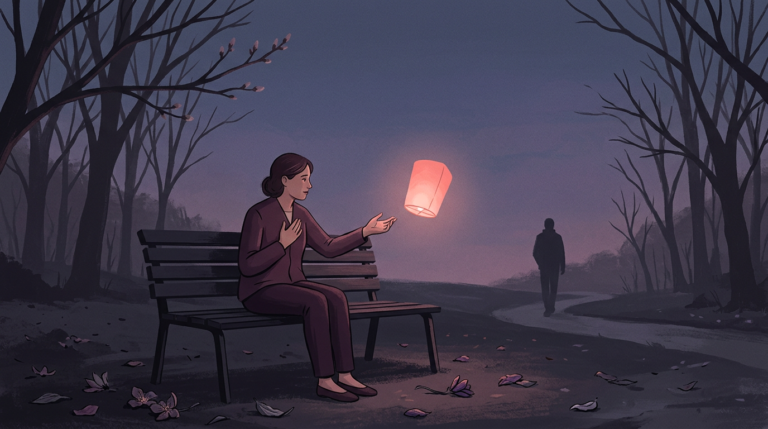
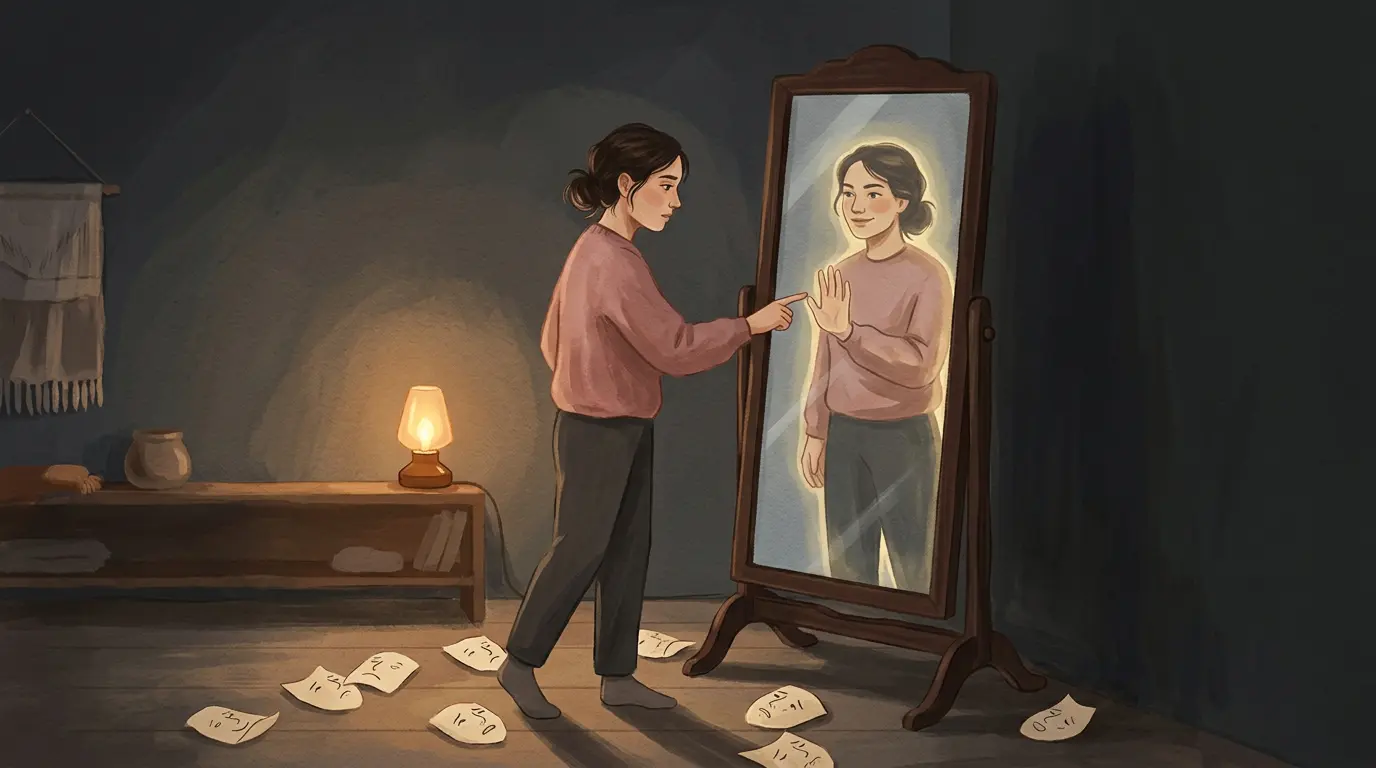
That voice. You know the one. It shows up right before you raise your hand in a meeting, or just after you send an email, or at 2am when you should absolutely be asleep. It whispers that you are not quite enough, not quite ready, not quite sure you belong in the room. Most women know that voice intimately, even if they would never admit it out loud.
The good news is that you are in excellent company, and that company has written some genuinely useful books. Not the kind that promise to fix you in thirty days with a morning routine involving cold plunges and gratitude journaling. The kind that sit down with you, tell the truth, and help you understand where all that doubt actually comes from. The six books below approach self-doubt from different angles, some through research, some through memoir, some through a combination of both. None of them are perfect fits for every reader, and we will be honest about that. But each one has something real to offer a woman who is tired of getting in her own way.
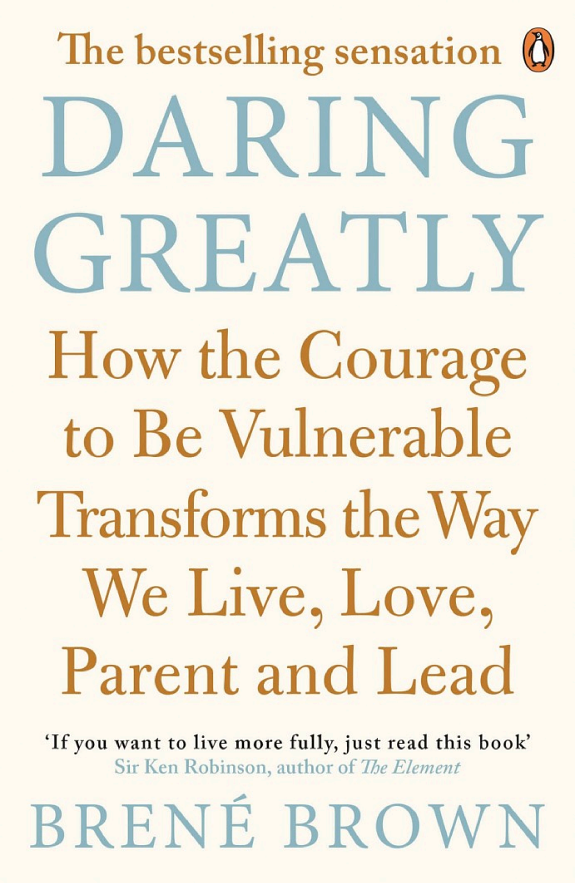
Daring Greatly: How the Courage to Be Vulnerable Transforms the Way We Live, Love, Parent, and Lead
1. Daring Greatly: How the Courage to Be Vulnerable Transforms the Way We Live, Love, Parent, and Lead by Brené Brown
Brené Brown spent years as a shame researcher before she gave a TED Talk that apparently broke the internet, and Daring Greatly is where she lays out the full argument she had been building in her academic work. The central idea is deceptively simple: vulnerability is not weakness. It is, in fact, the only real path to connection, creativity, and a life that does not feel hollow. Brown writes with warmth and a kind of earned authority that comes from having sat with thousands of people’s stories.
What sets this book apart from the average self-help title is that Brown is not asking you to fake confidence or repeat affirmations into a mirror. She is asking you to look honestly at the armor you have built around yourself and consider what it is costing you. For women who doubt themselves, that armor often looks like perfectionism, over-explaining, or shrinking before anyone else gets the chance to do it for you. Brown names all of it without judgment, which is a relief.
The writing is conversational and occasionally very funny, though Brown does lean into personal anecdotes quite heavily. If you prefer your ideas delivered with more academic distance, this style might feel a little too cozy. The book also covers parenting and leadership at length, so readers who are only interested in personal growth may find themselves skimming certain chapters.
Vulnerability is not about winning or losing. It is about having the courage to show up when you cannot control the outcome. That is the whole thing, and it turns out to be quite a lot.
This is perfect for women who suspect their self-doubt is tangled up with perfectionism and a deep fear of being judged, and who are ready to examine that honestly rather than just push through it.
The Confidence Code: The Science and Art of Self-Assurance – What Women Should Know
2. The Confidence Code: The Science and Art of Self-Assurance What Women Should Know by Katty Kay and Claire Shipman
Katty Kay and Claire Shipman are both accomplished journalists, and it shows. The Confidence Code reads like a really well-reported feature article that somehow turned into a book, in the best possible way. They interview neuroscientists, psychologists, athletes, and politicians to try to answer a question that had been nagging at them personally: why do so many competent, capable women still feel like they are not quite up to the task?
The research they surface is genuinely interesting. There are real biological and social factors at play in the confidence gap between men and women, and Kay and Shipman are careful not to reduce it to a simple fix. They push back against the idea that women just need to act more like men, which is a refreshing stance. The book argues instead that confidence is a skill, not a personality trait, and that it can be built through action rather than thought. Less rumination, more doing. It sounds obvious, but the evidence they present makes the case in a way that actually sticks.
Where the book is less satisfying is in its solutions. The diagnostic chapters are stronger than the prescriptive ones, and some readers may finish the book feeling well-informed but not quite sure what to do on Monday morning. It is also worth noting that the book centers largely on professional environments and career ambitions, so if your self-doubt lives more in personal relationships or creative work, some sections may feel less relevant.
Confidence is not some fixed, biological state. It is the result of taking action, failing, and trying again. The thinking about it is almost beside the point.
This is perfect for women who want a research-backed explanation for why they doubt themselves at work and are motivated by data and real-world examples rather than personal narrative.
You Are a Badass: How to Stop Doubting Your Greatness and Start Living an Awesome Life
3. You Are a Badass: How to Stop Doubting Your Greatness and Start Living an Awesome Life by Jen Sincero
Jen Sincero wrote this book in her forties, after spending a long time being, by her own cheerful admission, kind of a mess. That biographical context matters because it gives the book an energy that is different from authors who seem to have always had their act together. Sincero is funny, irreverent, and not remotely interested in being subtle. If you have ever wanted a friend to grab you by the shoulders and tell you to stop being so precious about your potential, this is that friend in book form.
The central argument is that most of us are running on subconscious beliefs about ourselves that we absorbed in childhood and have never bothered to question. Those beliefs, not our actual capabilities, are what keep us stuck. Sincero draws on concepts from personal development, some of them quite woo-adjacent, to make her case. She believes in the universe, in manifestation, and in the idea that your thoughts create your reality. She says so plainly and without apology, which you will either find charming or exasperating depending on your tolerance for that sort of thing.
This is not a book for readers who want nuance or academic rigor. It is also not particularly interested in the structural or social reasons why women doubt themselves, which is a real limitation. But for someone who is stuck in their own head and needs a loud, funny shove in a better direction, Sincero delivers. The chapters are short, the tone is relentless, and it is hard to finish it without feeling at least a little more willing to try something.
The only thing standing between you and the life you want is the story you keep telling yourself about why you cannot have it.
This is perfect for women who are tired of overthinking, respond well to humor and bluntness, and need something that feels more like a pep talk than a therapy session.
Playing Big: Practical Wisdom for Women Who Want to Speak Up, Create, and Lead
4. Playing Big: Practical Wisdom for Women Who Want to Speak Up, Create, and Lead by Tara Mohr
Tara Mohr spent years coaching high-achieving women and noticed a pattern: the things holding them back had almost nothing to do with skill or intelligence. It was the way they communicated, the way they deferred, the way they qualified every statement as though apologizing in advance for taking up space. Playing Big is her attempt to name those patterns and offer something practical in response. It is one of the more quietly useful books in this genre.
What Mohr does particularly well is identify specific behaviors that women often do not even notice in themselves. The habit of over-hedging in speech. The tendency to wait for permission before pursuing something. The way feedback from others gets weighted far too heavily against internal conviction. She offers concrete exercises throughout the book, not vague ones either, but the kind you can actually sit down and do. The chapter on fear is especially good, drawing on the Hebrew distinction between two different kinds of fear to help readers understand when their anxiety is a signal worth heeding and when it is just noise.
The book does assume a certain professional context, and it is written primarily for women who are already in or aspiring to leadership roles. If your self-doubt is more personal than professional, or if you are earlier in your career, some of the framing may feel slightly out of reach. But for women who suspect they are holding themselves back in visible, changeable ways, Mohr gives them a real map.
The inner critic is not trying to protect you from failure. It is trying to protect you from the vulnerability of being seen, which is not the same thing at all.
This is perfect for women who are professionally capable but consistently hold back their ideas, undermine their own contributions, or wait for someone else to give them permission to take up more space.
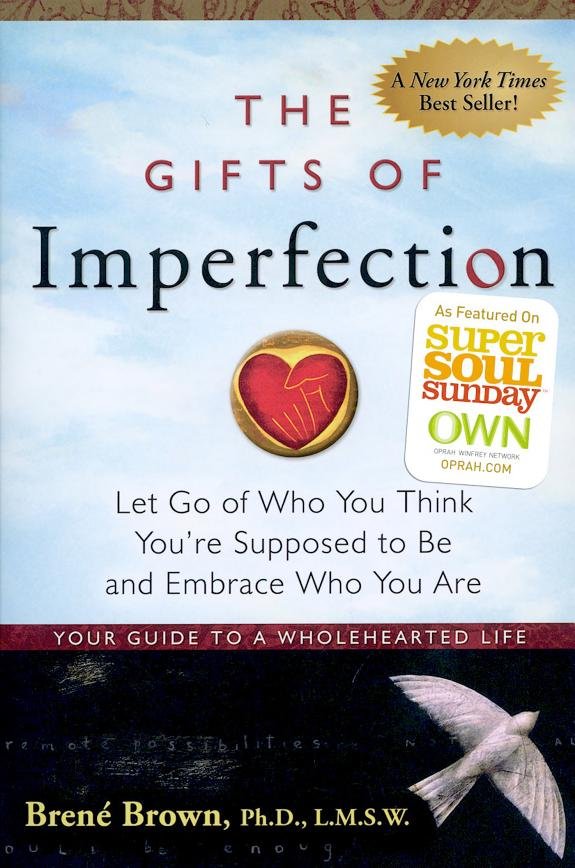
The Gifts of Imperfection: Let Go of Who You Think You’re Supposed to Be and Embrace Who You Are
5. The Gifts of Imperfection: Let Go of Who You Think You’re Supposed to Be and Embrace Who You Are by Brené Brown
Yes, Brené Brown appears twice on this list. That is either a sign of how central her work is to this conversation or a sign that the self-help genre needs more researchers willing to spend a decade interviewing strangers about their deepest fears. Probably both. The Gifts of Imperfection is actually the earlier book, published before Daring Greatly, and it has a slightly different feel. It is more personal, more structured around specific practices, and in some ways more immediately actionable.
The book is organized around what Brown calls guideposts for wholehearted living, ten of them, each one addressing something that gets in the way of genuine self-acceptance. Things like the difference between fitting in and belonging, the role of rest and play in a culture that treats exhaustion as a status symbol, and the way perfectionism masquerades as a high standard when it is really just fear with better posture. Brown writes about her own struggles throughout, and there is something genuinely useful about watching a credentialed researcher admit that she still has to fight the same battles she studies.
If you have already read Daring Greatly, there is meaningful overlap here, and some readers may find the two books feel repetitive read back to back. The Gifts of Imperfection is probably the better starting point for someone new to Brown’s work, while Daring Greatly goes deeper on the vulnerability argument. Neither replaces the other, but you do not necessarily need both unless you are a devoted fan, which, fair enough.
Wholehearted living is not about being perfect. It is about engaging with your life from a place of worthiness rather than from a place of constant audition.
This is perfect for women who are exhausted by the pressure to appear put-together and are looking for a gentler, more grounded framework for accepting themselves without waiting until they have earned it.
Untamed
6. Untamed by Glennon Doyle
Untamed is a memoir, not a self-help book, and that distinction matters. Glennon Doyle is not handing you a framework or a set of exercises. She is telling you what happened when she stopped performing the version of herself that everyone around her had come to expect, and the story is genuinely compelling. Doyle is a strong writer with a gift for the kind of sentence that makes you put the book down and stare at the ceiling for a moment.
The book centers on a period of Doyle’s life when she was, by most external measures, doing everything right. Successful blog, published books, stable marriage, three children, a Christian speaking career. And then she fell in love with a woman, which required her to dismantle almost everything she had built her identity around. Doyle writes about that process with honesty and a fair amount of heat. She is not a neutral narrator. She has strong opinions about what women are taught to want and what it costs them, and she is not shy about sharing those opinions at length.
This book is not for everyone. Readers who find memoir-as-manifesto grating, or who are looking for something more measured and less declarative, may find Doyle’s voice overwhelming. The book has also been criticized for being light on complexity in places where complexity would serve it. But for a woman who has spent years being very good at being what everyone else needed her to be, and who is starting to wonder at what cost, Untamed has a way of hitting uncomfortably close to home.
We are all handed a story about who we are before we are old enough to decide if that story is true. The work is figuring out which parts of it to keep.
This is perfect for women who suspect their self-doubt is rooted in having spent years prioritizing everyone else’s comfort over their own instincts, and who are ready to read something that will make them feel a little less alone in that.
Self-doubt is not a character flaw. It is something most women are handed early and carry quietly for a very long time. The books above will not make it disappear, and any book that promises otherwise is probably not worth your time. What they can do is help you understand where the doubt comes from, recognize it when it shows up, and build a slightly more honest relationship with yourself in the process.
Not every book on this list will be the right fit for you right now, and that is fine. Some readers will want the research of Kay and Shipman. Others will want the warmth of Brown or the directness of Sincero or the narrative pull of Doyle. Start with the one that sounds most like what you actually need today, not the one that sounds most impressive. The goal is not to collect books about confidence. The goal is to eventually need them a little less.