5 Books to Read When You Feel Stuck in Life
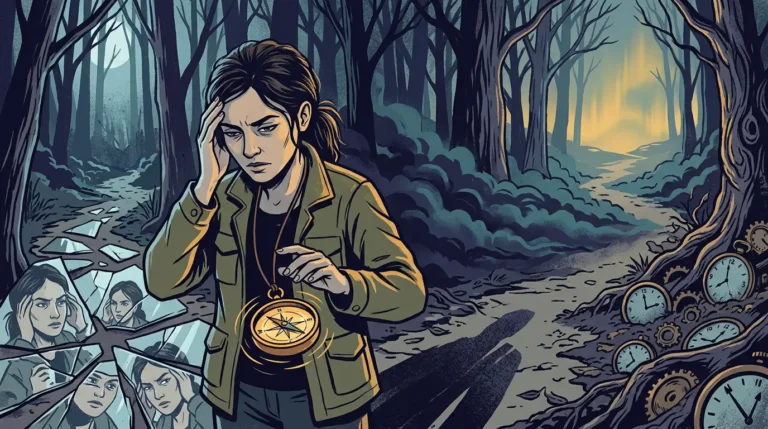
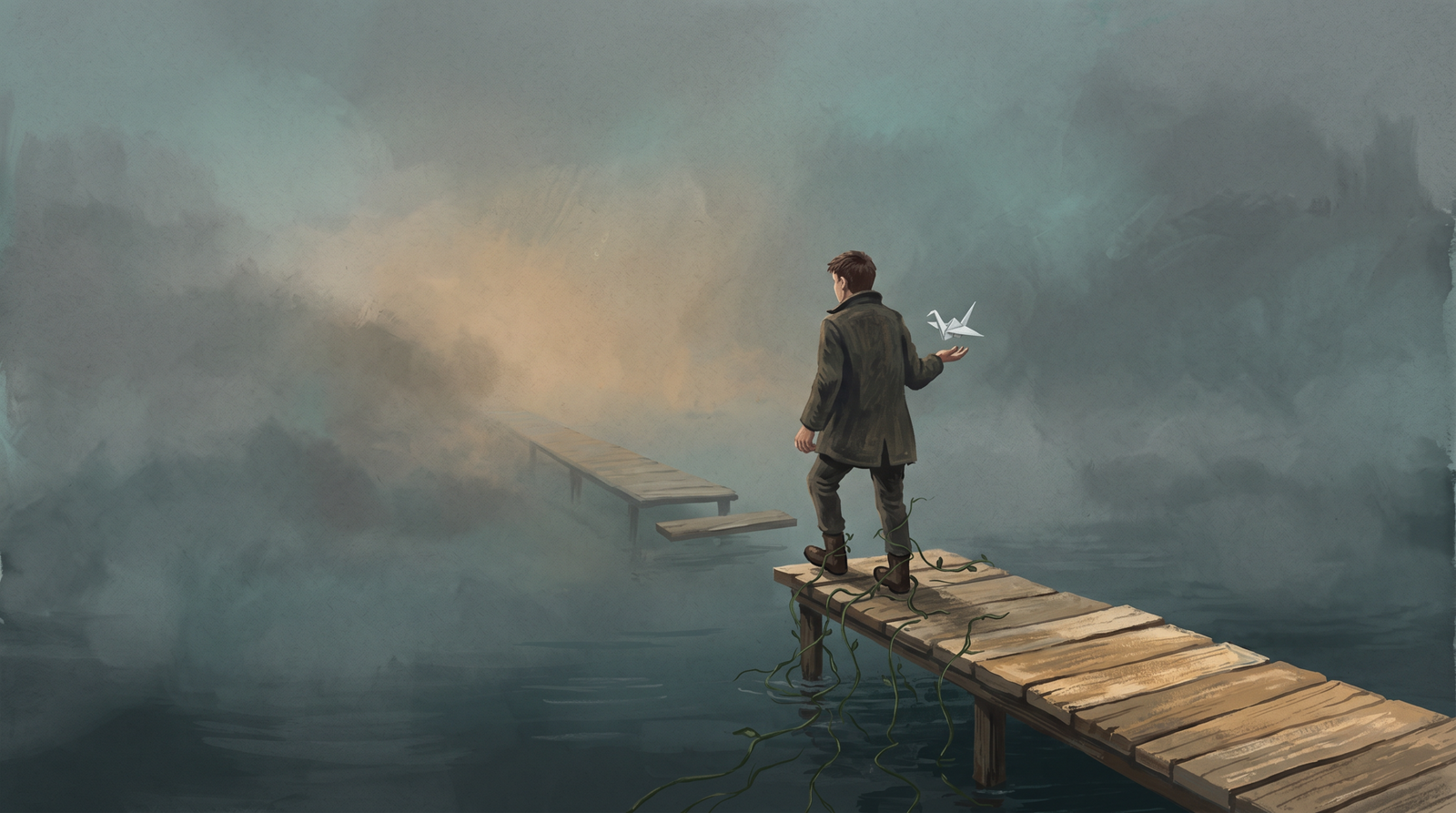
There is a particular kind of frustration that comes with feeling stuck. It is not dramatic. Nobody writes songs about it. You are not in crisis exactly, but you are not moving either, and the stillness starts to feel like it means something. Like maybe this is just how things are now.
It is not, of course. But sometimes the best thing you can do is hand yourself a book written by someone who has thought longer and harder about the human condition than most of us have time to. The five books below are not quick fixes. They will not reorganize your life by Tuesday. What they will do is give you a different set of questions to sit with, and sometimes that is exactly what getting unstuck actually requires.
Man’s Search for Meaning
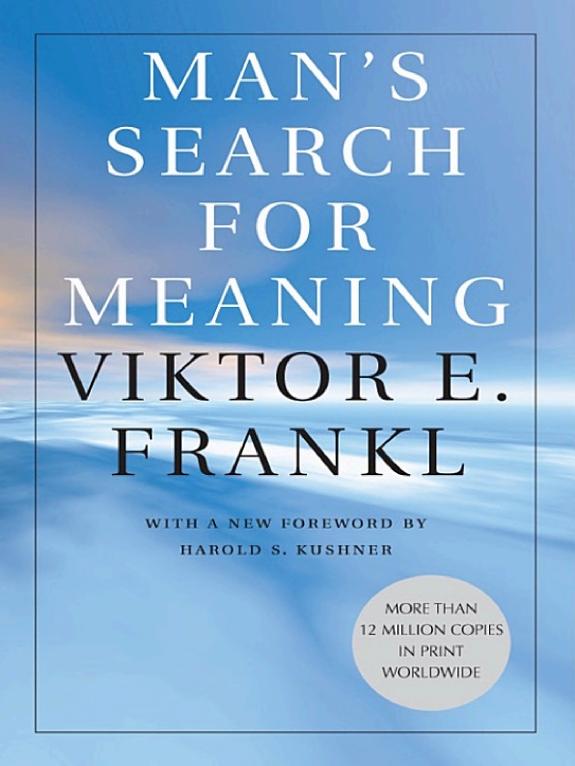
1. Man’s Search for Meaning by Viktor E. Frankl
Viktor Frankl was a psychiatrist and Holocaust survivor who spent years in Nazi concentration camps, including Auschwitz. That context alone makes this book unlike almost anything else you will ever read. But what is remarkable is not just what Frankl endured. It is the clarity of thought he maintained through it, and the framework he built from that experience: the idea that meaning, not happiness, is the central human need.
Frankl’s writing is spare and precise. He does not dramatize his suffering, which somehow makes it land harder. The first half of the book documents his experiences in the camps with a kind of clinical honesty that is genuinely difficult to read. The second half introduces logotherapy, his psychological approach built around the premise that humans can survive almost anything if they have a reason to. It is a small book, but it carries serious weight.
If you are feeling stuck because nothing feels particularly meaningful right now, this is the book that will ask you the most uncomfortable questions. Frankl does not let you off the hook by suggesting meaning will arrive on its own. He argues that you have to choose it, even when the circumstances around you are terrible. Especially then, actually.
This is not a gentle read, and it is not for people looking for reassurance or a warm sense of being understood. Frankl is not trying to comfort you. He is trying to reorient you, and those are very different things.
“When we are no longer able to change a situation, we are challenged to change ourselves.” Frankl’s entire argument lives in that sentence, and it will stay with you long after you put the book down.
This is perfect for readers who feel like they have lost their sense of direction and are ready to do the harder work of figuring out what actually matters to them.
The Obstacle Is the Way
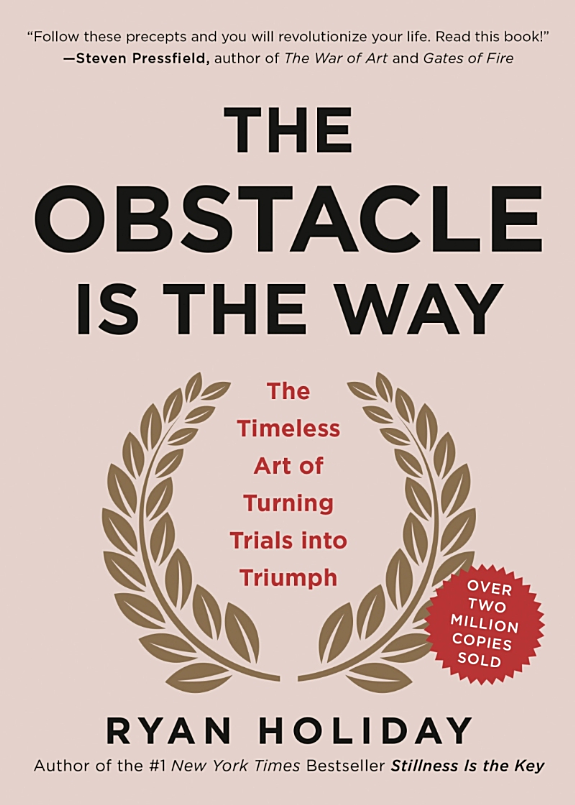
2. The Obstacle Is the Way by Ryan Holiday
Ryan Holiday has built a career translating Stoic philosophy for modern readers, and this is probably his most focused effort. The central idea comes from Marcus Aurelius: the impediment to action advances action, and what stands in the way becomes the way. It sounds like a bumper sticker until Holiday starts unpacking it with historical examples, and then it starts to feel more like a serious framework.
Holiday moves quickly. The chapters are short, the prose is punchy, and the examples range from Amelia Earhart to Ulysses S. Grant to Rockefeller. Some readers will find this style energizing. Others will wish he slowed down and sat with an idea longer before moving to the next one. That is a fair criticism. The book occasionally reads like a highlight reel rather than a deep investigation. But as a collection of reframes for how to think about obstacles, it is genuinely useful.
The Stoic tradition Holiday draws from is not about suppressing emotion or pretending everything is fine. It is about developing a kind of inner stability that lets you respond to difficulty rather than just react to it. For anyone stuck because a specific obstacle feels immovable, that distinction is worth a few hours of your time.
If you tend to prefer books that go deep into one idea rather than wide across many, this might leave you a little unsatisfied. It is more of a motivational philosophy primer than a rigorous philosophical text, and there is no shame in wanting the latter instead.
The book’s quiet insistence is that your obstacle is not separate from your path forward. It is the path forward. That shift in perspective, small as it sounds, changes what you do next.
This is perfect for people who are stuck because of a specific setback or challenge and need a practical, historically grounded way to think about moving through it.
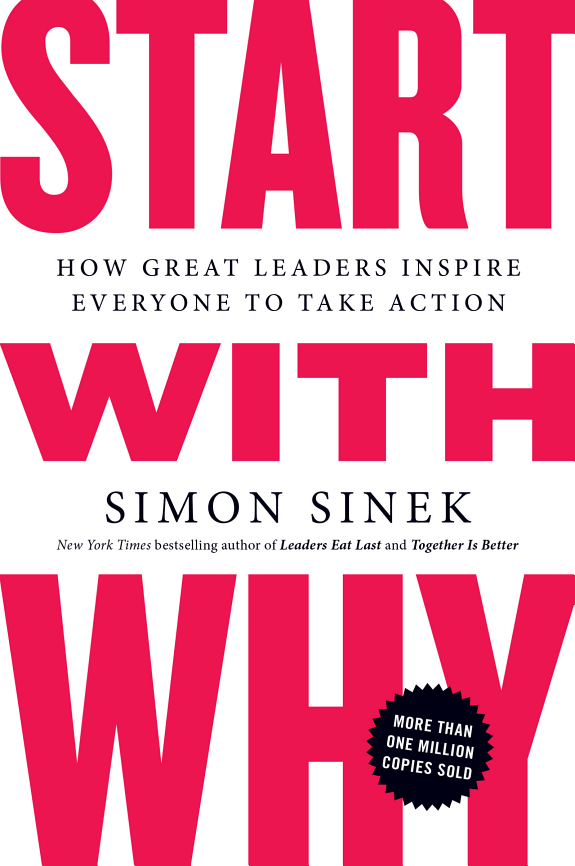
Start with Why
3. Start with Why by Simon Sinek
Simon Sinek’s central argument is deceptively simple: most people and organizations know what they do and how they do it, but very few can clearly articulate why. Not the financial why, not the strategic why, but the deeper purpose behind their work. Sinek argues that the leaders and companies that inspire others always start from that inner circle of purpose and work outward, rather than the other way around.
The book grew out of a TED Talk, and that lineage shows. Sinek is a natural communicator who is very good at making an idea feel both obvious and revelatory at the same time. He repeats himself more than necessary, which is the main criticism most readers have, and it is a fair one. By the third time he explains the Golden Circle, you will have the point. But the core idea holds up, and the examples he uses, including Apple, Martin Luther King Jr., and the Wright Brothers, are well chosen and genuinely illustrative.
Where this book becomes relevant to feeling stuck is the question it keeps circling back to. If you cannot say why you are doing what you are doing, it is very hard to feel motivated to keep doing it. Stuckness is often not a problem of strategy or skill. It is a problem of purpose. Sinek gives you a vocabulary for diagnosing that.
This is not the book for you if you are already clear on your values and just need tactical help. It is also probably not the right fit if you are skeptical of business-world frameworks applied to personal life. Sinek is writing primarily about organizations, and the translation to individual purpose, while useful, is something you will have to do yourself.
“People don’t buy what you do, they buy why you do it.” Sinek wrote that about companies, but spend five minutes applying it to your own choices and see what happens.
This is perfect for people who feel disconnected from their work or daily life and suspect the problem is not effort but purpose.
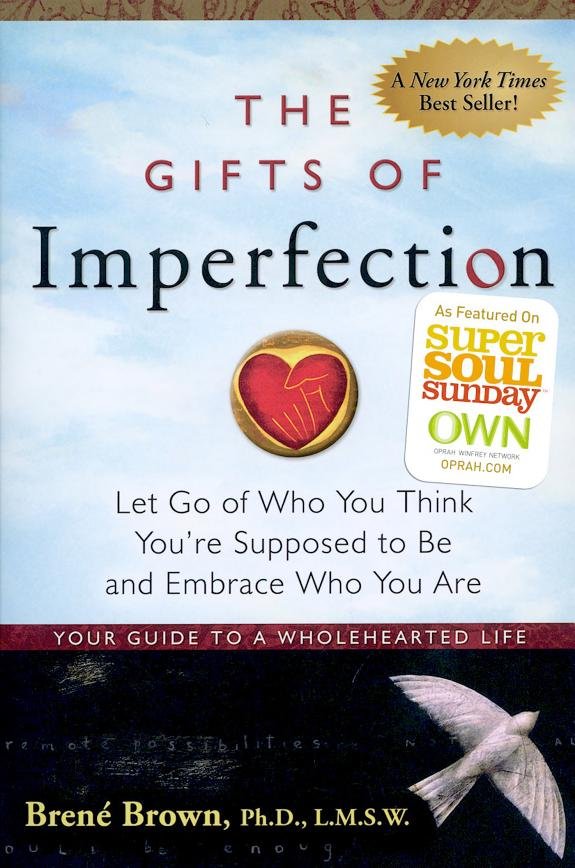
The Gifts of Imperfection
4. The Gifts of Imperfection by Brené Brown
Brené Brown is a research professor who spent years studying shame, vulnerability, and what she calls Wholehearted living. This book is essentially a distillation of what she found: that the things most people treat as weaknesses, imperfection, uncertainty, the need for belonging, are actually the conditions under which genuine connection and creativity become possible. It is not a comfortable argument, but it is a well-supported one.
Brown’s voice is warm and direct. She writes the way a good friend talks, which is either exactly what you want or slightly too casual depending on your preferences. She draws on her own struggles as much as her research, and that combination gives the book a credibility that purely academic writing sometimes lacks. She is not telling you how to live from a position of having figured it all out. She is telling you what she learned while trying to figure it out herself.
The reason this book belongs on a list for people feeling stuck is that a significant amount of stuckness is rooted in perfectionism. Not the kind that makes you work harder, but the kind that makes you afraid to start, afraid to be seen, afraid to try something that might not work. Brown does not dismiss that fear. She looks at it directly and asks what it is actually protecting you from, which turns out to be a more useful question than just telling yourself to push through it.
If you are not interested in the emotional or psychological dimensions of why you feel stuck, this book will probably frustrate you. It is not a productivity framework. It is not a career guide. It is a book about the interior conditions that either support or undermine a meaningful life, and if that framing does not appeal to you, there are better options on this list.
Brown’s argument is that worthiness is not something you earn once you get everything right. It is something you practice in the middle of getting things wrong. That reframe is either freeing or annoying, depending on the day.
This is perfect for people whose stuckness feels more emotional than practical, particularly those who suspect perfectionism or fear of judgment is quietly running the show.
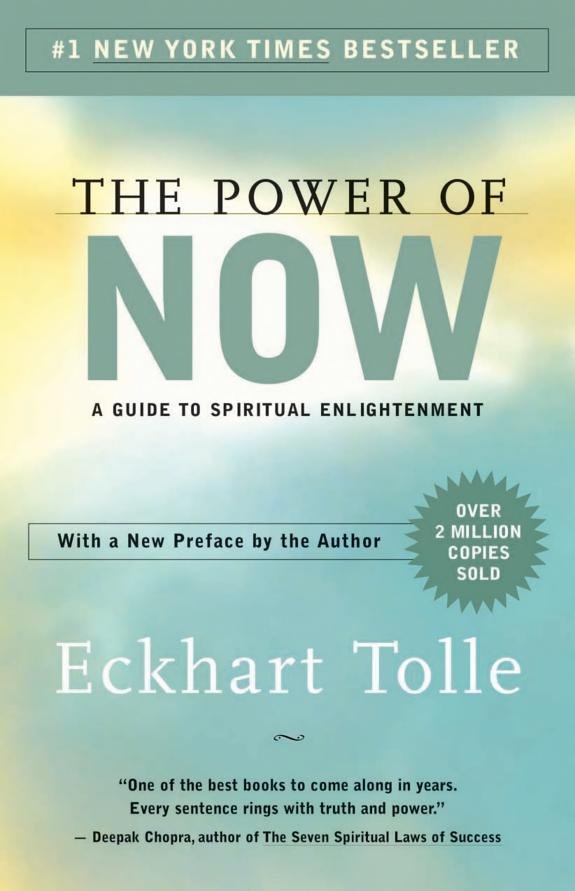
The Power of Now
5. The Power of Now by Eckhart Tolle
Eckhart Tolle is not for everyone, and he would probably be the first to acknowledge that. His writing operates in a register that is part spiritual philosophy, part psychological observation, and part something that is genuinely difficult to categorize. The Power of Now is built around a single idea: that most human suffering comes from either living in the past or projecting into the future, and that presence, actual moment-to-moment awareness, is both the antidote and the goal.
The book is structured as a dialogue, with Tolle posing questions and then answering them, which some readers find helpful and others find slightly affected. His language is sometimes abstract in ways that can be genuinely frustrating if you prefer concrete, actionable writing. But there is also something in this book that a lot of people find they cannot get anywhere else. The quality of attention he is pointing toward is real, and his descriptions of the thinking mind as a kind of noise machine that we mistake for ourselves will resonate with anyone who has ever felt trapped by their own thoughts.
Feeling stuck often has a time dimension to it. You are stuck because you keep replaying something that happened, or because you are terrified of a future that has not arrived yet. Tolle’s contribution is the observation that neither of those things is happening right now, and that the present moment, however ordinary, is actually the only place where anything can change. That sounds simple. Sitting with it is considerably harder.
If you are deeply skeptical of spiritual or contemplative frameworks, this book will likely feel too vague to be useful. It is also not the right fit if you are looking for research-backed psychology or practical exercises. Tolle is offering something more like a shift in orientation than a set of tools, and that is either exactly what you need or exactly what you do not.
The book’s most honest moment is its insistence that you cannot think your way into presence. You can only notice when you are not present and return. Over and over again. That is the practice.
This is perfect for readers who feel stuck in their own heads, caught in loops of regret or anxiety, and are open to a more contemplative approach to finding their footing again.
None of these books will fix anything on their own. That is worth saying plainly. But each one offers a genuinely different angle on what it means to be stuck and what might be worth examining when you are. Frankl asks about meaning. Holiday asks about obstacles. Sinek asks about purpose. Brown asks about the fears underneath your choices. Tolle asks whether you are actually here at all. Those are five very different questions, and the one that lands hardest is probably the one you most need right now.
Pick the one that makes you slightly uncomfortable. That is usually a good sign.