

7 Books to Reinvent Yourself This Year
There is something quietly hopeful about deciding you want to change. Not the frantic, resolution-fueled kind of change that evaporates by February, but the slower, more deliberate kind where you actually look at your habits, your beliefs, and your patterns and ask whether they are still serving you. That kind of reinvention takes more than motivation. It takes the right ideas arriving at the right moment.
Books have a way of doing that. The seven titles below are not here to flatter you or promise overnight results. They represent a range of voices and approaches, from research-backed psychology to ancient Toltec wisdom, and each one has something genuinely useful to offer someone who is ready to do the work. Some will resonate immediately. Others might take a second read before they click. That is fine. Good books rarely rush you.
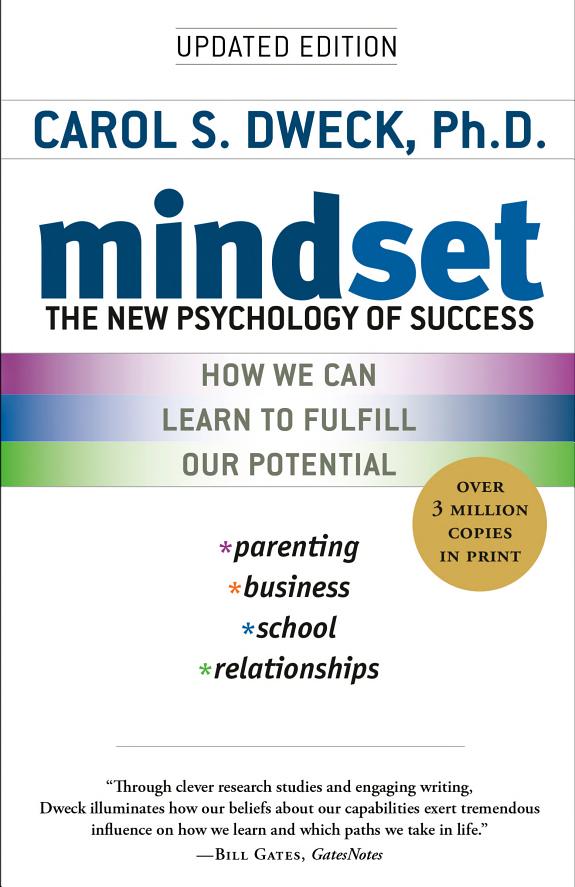
Mindset: The New Psychology of Success
1. Mindset: The New Psychology of Success by Carol S. Dweck
Carol Dweck is a Stanford psychologist who has spent decades studying why some people bounce back from failure while others collapse under it. Her conclusion, built on years of research with students and adults alike, is that the difference often comes down to a single underlying belief: whether you think your abilities are fixed or whether you believe they can grow. She calls these the fixed mindset and the growth mindset, and once you understand the distinction, you start seeing it everywhere.
What makes this book worth reading is that Dweck is not simply cheerleading. She is making a specific, testable argument about how the stories we tell ourselves about talent and intelligence shape every challenge we face. The chapters on parenting and education are particularly sharp, because they show how easily a well-meaning compliment, “You are so smart,” can quietly undermine a child’s resilience over time. The writing is clear and grounded in evidence without ever feeling like a textbook.
The book does have a tendency to repeat its central thesis more than necessary, and some readers find the case studies a little tidy. But as an introduction to a genuinely useful framework for understanding your own reactions to difficulty, it holds up well. Dweck is not selling magic. She is offering a lens, and that lens is worth trying on.
“The passion for stretching yourself and sticking to it, even when it’s not going well, is the hallmark of the growth mindset.”
This is perfect for anyone who has ever told themselves they are just not a “math person” or a “creative type” and wants a research-backed reason to reconsider that story.
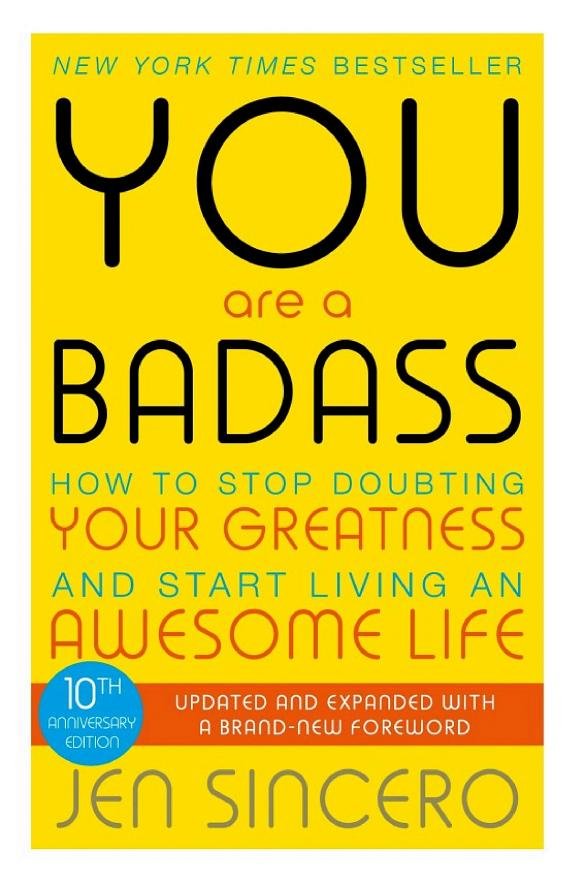
You Are a Badass: How to Stop Doubting Your Greatness and Start Living an Awesome Life
2. You Are a Badass: How to Stop Doubting Your Greatness and Start Living an Awesome Life by Jen Sincero
Jen Sincero writes the way a very funny, very direct friend talks when she has finally had enough of watching you self-sabotage. The tone is casual, occasionally profane, and relentlessly encouraging without tipping into saccharine. She covers the usual self-help terrain, limiting beliefs, fear, the inner critic, but she does it with enough personality that the familiar ideas feel freshly delivered. If you have ever rolled your eyes at the genre, this one might be the exception that actually keeps you reading.
The book is built around the idea that most of us are held back not by circumstance but by the subconscious beliefs we formed early in life and never bothered to examine. Sincero draws on both practical advice and a fair amount of spiritual thinking, including concepts around energy and the universe that will land differently depending on your worldview. She is upfront about this, which is refreshing. She is not pretending to write a science textbook.
The chapters are short, which suits the breezy style, and the exercises at the end of each one are genuinely worth doing rather than skipping. That said, if you prefer your self-improvement heavily footnoted and peer-reviewed, this is probably not your book. Sincero is trading in enthusiasm and hard-won personal experience, not clinical data, and she would be the first to tell you that.
“You are responsible for what you say and do. You are not responsible for whether people freak out about it.”
This is perfect for someone who knows they are getting in their own way but needs a push that feels more like a pep talk from a friend than a lecture from a therapist.
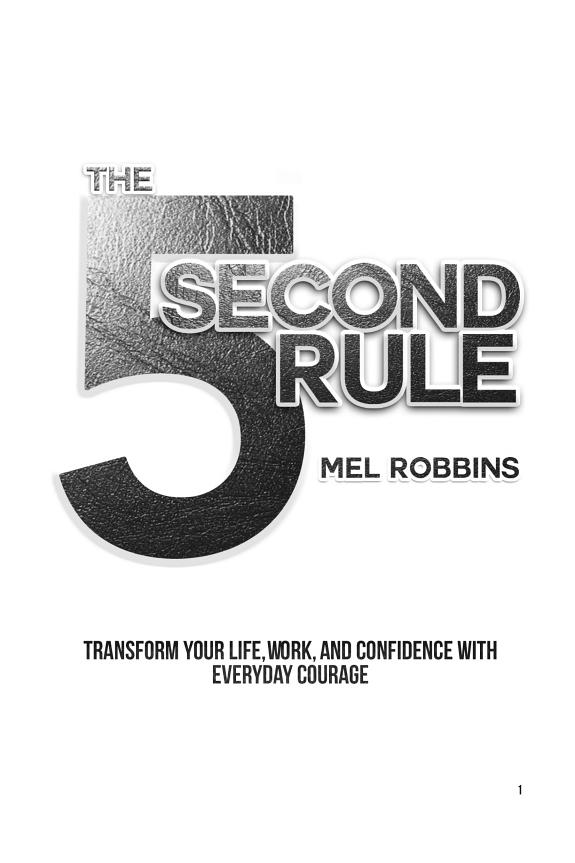
The 5 Second Rule: Transform your Life, Work, and Confidence with Everyday Courage
3. The 5 Second Rule: Transform your Life, Work, and Confidence with Everyday Courage by Mel Robbins
Mel Robbins built an entire book around a countdown. Five, four, three, two, one, and then you act before your brain talks you out of it. It sounds almost embarrassingly simple, and Robbins knows that. She leans into the skepticism directly, spending a good portion of the book explaining the neuroscience behind why the rule actually works, specifically how it interrupts the habit loops that keep us stuck in hesitation. Whether you find that explanation convincing or a little stretched will depend on your tolerance for pop neuroscience, but the core insight, that we overthink ourselves into paralysis, is hard to argue with.
Robbins is a confident, energetic writer, and the book moves quickly. The real-world examples she uses, people using the rule to get out of bed, speak up in meetings, stop drinking, start exercising, cover an impressive range of situations. It is one of those books that feels almost too practical, in a good way. You could read it in a weekend and start applying it the same day.
The honest caveat is that the book is somewhat repetitive. The rule itself is explained, illustrated, and re-explained enough times that you may feel you have gotten the point well before the final chapter. Readers who prefer depth over breadth might find themselves skimming. But for someone who knows exactly what they want to do and simply cannot make themselves start, this book is oddly effective at removing that particular obstacle.
“You are never going to feel like it. Motivation is garbage. You only feel motivated to do the things you already want to do.”
This is perfect for the chronic procrastinator who has read plenty of books about change but still cannot seem to get out of the starting blocks.
Daring Greatly: How the Courage to Be Vulnerable Transforms the Way We Live, Love, Parent, and Lead
4. Daring Greatly: How the Courage to Be Vulnerable Transforms the Way We Live, Love, Parent, and Lead by Brené Brown
Brené Brown spent years studying shame and vulnerability before concluding something that most of us resist: that the willingness to be seen, really seen, uncertain and imperfect and unfinished, is not weakness. It is the foundation of connection, creativity, and meaningful work. “Daring Greatly” is the book that laid out that argument most fully, and it remains her most carefully constructed work. The title comes from a Theodore Roosevelt speech about the man in the arena, covered in dust and sweat and blood, which Brown uses as a frame for what it means to show up honestly in your own life.
The research here is real. Brown is a qualitative researcher, and while her methodology is sometimes questioned in academic circles, her interviews with thousands of people over many years give the book a texture and specificity that distinguishes it from pure opinion. The chapters on parenting and leadership are particularly strong, showing how vulnerability avoidance plays out in institutions and families in ways that are quietly destructive.
This is not a quick-fix book. Brown is asking readers to sit with discomfort rather than escape it, which means the book itself can feel uncomfortable at times. Readers who want concrete techniques over emotional exploration may find it slow going. And if you have already read “The Gifts of Imperfection” or watched her TED Talk, some of the ground will feel familiar. But as a sustained argument for why openness is worth the risk, it is one of the more honest books in this genre.
“Vulnerability is not winning or losing; it’s having the courage to show up and be seen when we have no control over the outcome.”
This is perfect for anyone who has built a very efficient armor around themselves and is starting to wonder what it is costing them.
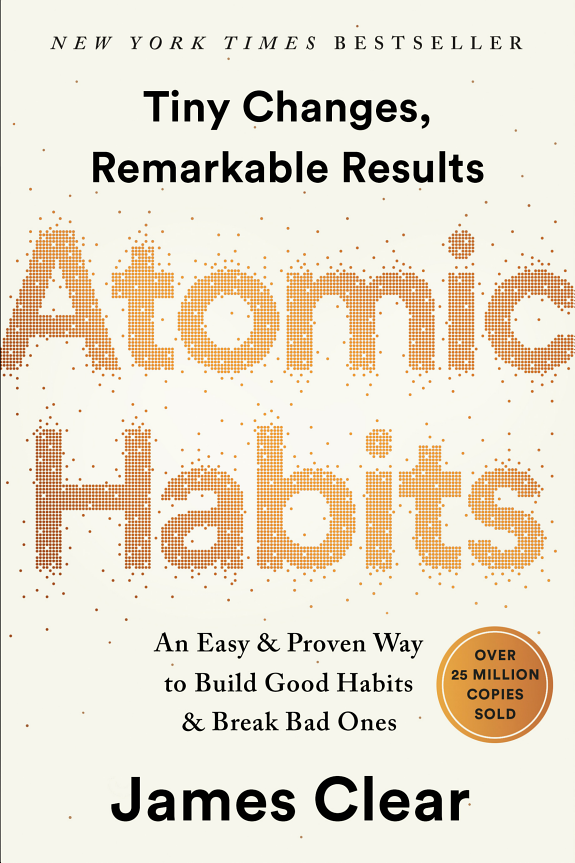
Atomic Habits: An Easy & Proven Way to Build Good Habits & Break Bad Ones
5. Atomic Habits: An Easy and Proven Way to Build Good Habits and Break Bad Ones by James Clear
James Clear makes a case that most of us are thinking about habits at the wrong scale. We set enormous goals, lose weight, write a novel, become a morning person, and then wonder why we give up after two weeks. His argument is that the goal is almost beside the point. What matters is the system underneath it, the small, repeatable behaviors that accumulate into identity over time. A one percent improvement every day, he notes, compounds into something remarkable over a year. A one percent decline does the same in the other direction. That framing alone is worth the price of the book.
The writing is clean and precise. Clear is a good teacher in the sense that he knows how to explain a concept, give you a concrete example, and then show you how to apply it without making you feel talked down to. The four laws of behavior change, make it obvious, make it attractive, make it easy, make it satisfying, are simple enough to remember and specific enough to actually use. The chapter on habit stacking and environment design is particularly practical.
The book is not especially surprising if you have already read Charles Duhigg’s “The Power of Habit” or spent time in the behavioral psychology literature. Some of the ideas will feel familiar. But Clear synthesizes them more accessibly than almost anyone else working in this space, and the sheer density of useful, actionable material makes it one of the more durable books on behavior change available right now. It is not a philosophy book. It is a manual, and it works like one.
“You do not rise to the level of your goals. You fall to the level of your systems.”
This is perfect for the person who has made the same resolution three years running and wants a genuinely different approach to building the habits that would actually make it stick.
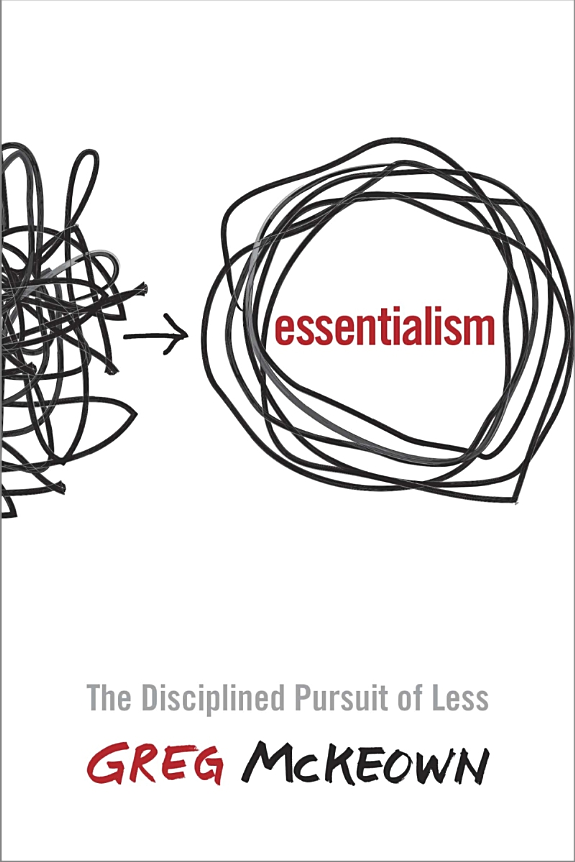
Essentialism: The Disciplined Pursuit of Less
6. Essentialism: The Disciplined Pursuit of Less by Greg McKeown
Greg McKeown opens this book with a question that is more unsettling than it first appears: what if the problem is not that you are not doing enough, but that you are doing too much of the wrong things? Essentialism is not a productivity book in the conventional sense. It is not about squeezing more into your schedule. It is about the discipline of figuring out what actually matters and then protecting it fiercely from everything else. McKeown calls this the disciplined pursuit of less, and he means it literally.
The book covers the habits of mind that essentialists cultivate: sleeping enough, playing, creating space to think, saying no gracefully but firmly. McKeown writes with a calm authority that suits the subject. He is not trying to excite you. He is trying to slow you down long enough to ask whether the busyness you have built is actually serving your life or just filling it. That is a different question than most productivity writers are asking, and it is a more useful one for a lot of people.
Where the book occasionally frustrates is in its idealism. McKeown’s essentialist is a somewhat rarefied figure who has the luxury of declining meetings and redesigning their schedule from scratch, which is not always available to people with demanding jobs or significant caregiving responsibilities. He acknowledges this imperfectly. But even if you cannot apply every principle wholesale, the underlying argument, that saying yes to everything is actually a strategy for mediocrity, is worth sitting with.
“If you don’t prioritize your life, someone else will.”
This is perfect for the chronically overcommitted person who says yes to everything and then wonders why nothing feels meaningful.
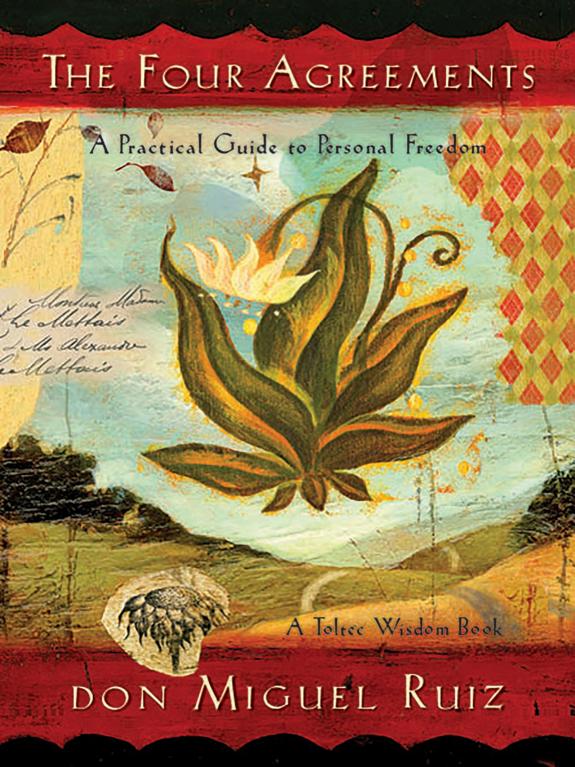
The Four Agreements: A Practical Guide to Personal Freedom
7. The Four Agreements: A Practical Guide to Personal Freedom by Don Miguel Ruiz
Don Miguel Ruiz draws on Toltec wisdom, an ancient Mesoamerican tradition, to offer four agreements that he argues can free a person from most of the suffering they create for themselves. The agreements are: be impeccable with your word, don’t take anything personally, don’t make assumptions, and always do your best. Written out like that, they sound almost obvious. Read in context, with Ruiz’s explanation of how deeply we violate each one every single day, they become considerably more challenging.
The book is short, which is part of its appeal. Ruiz writes with a quiet, almost meditative simplicity that suits the material. He is not interested in impressing you with complexity. He is interested in getting you to actually examine how you speak to yourself and others, how much energy you spend interpreting other people’s behavior as being about you, and how often you operate on assumptions you have never bothered to verify. These are not small questions, even if the book that asks them is slim.
Readers who prefer secular, evidence-based approaches to personal development may find the spiritual framing a barrier. Ruiz is working in a tradition that is not everyone’s, and the book does not apologize for that. It is also worth noting that the four agreements are easier to understand than to practice. Ruiz acknowledges this, which is honest of him, but some readers arrive expecting a quick transformation and leave feeling like they have been handed homework with no deadline. That is not a flaw, exactly. It is just the nature of the thing.
“Whatever happens around you, don’t take it personally. Nothing other people do is because of you. It is because of themselves.”
This is perfect for someone drawn to spiritual or philosophical frameworks for self-examination, particularly one who wants something brief, concentrated, and quietly radical.
Reinventing yourself is a phrase that can sound dramatic, but it rarely looks that way in practice. It usually looks like reading something that shifts a long-held assumption, or building one small habit that eventually changes the shape of your days, or finally deciding to stop taking someone else’s bad mood personally. These books, taken together, cover a lot of that territory from different angles and with different voices.
You do not need to read all seven. Start with the one that is calling to you right now, the one whose description made something stir a little. That is usually the right one for where you are. The others will still be here when you are ready for them. Good books have a way of waiting.