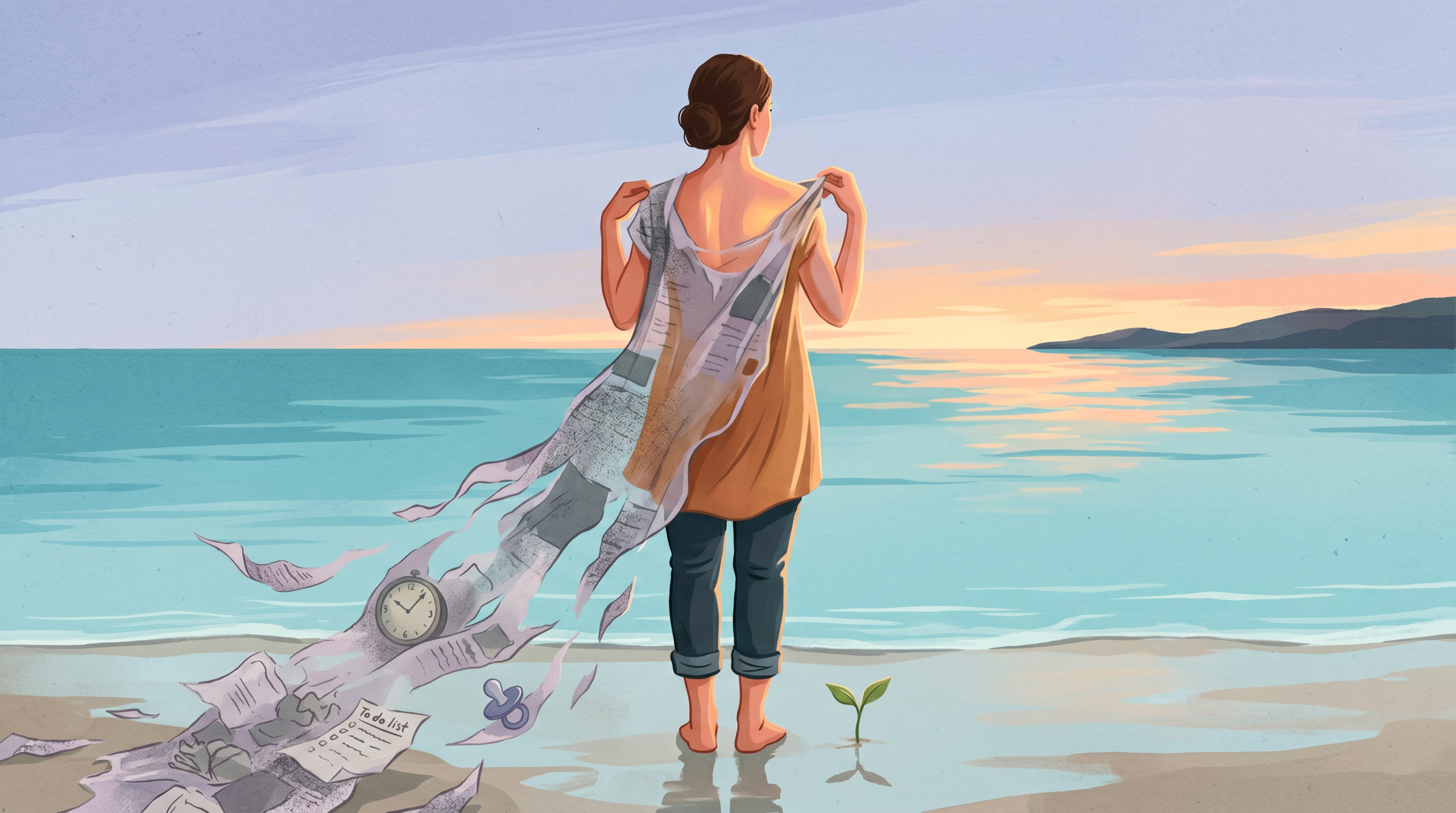
5 Books for Women Finding Themselves Again
There is a particular kind of restlessness that settles in when you realize you have spent years being exactly who everyone needed you to be, and somewhere in all of that, you lost track of yourself. It is not a dramatic crisis. Sometimes it is just a quiet Tuesday afternoon when you catch your reflection and think, “Who even are you?” If that sounds familiar, you are in good company.
Books have a funny way of arriving at exactly the right moment. The five on this list are not cure-alls, and none of them will hand you a neat little roadmap to self-discovery. What they will do is sit with you, push you a little, make you feel less alone, and occasionally say the thing you have been too afraid to say out loud. Whether you are coming out of a difficult season, standing at a crossroads, or simply hungry for something more, there is something here for you.
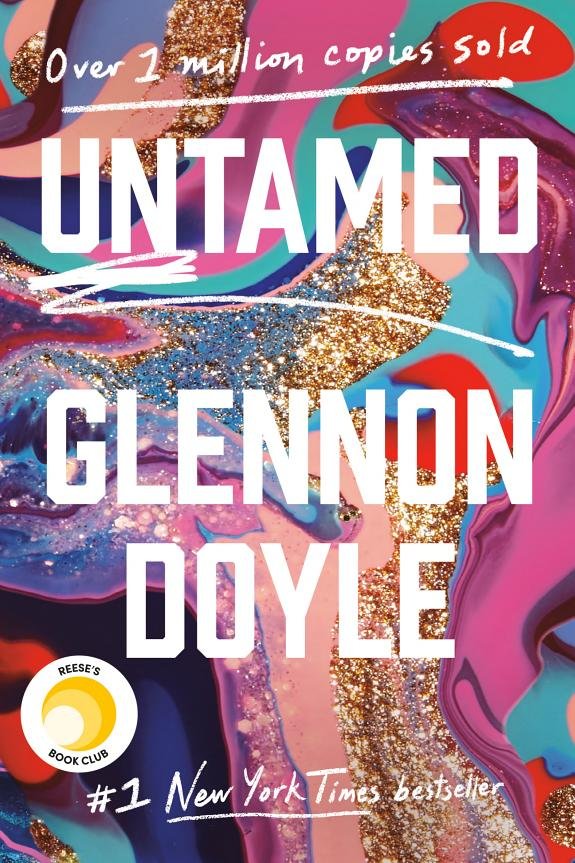
Untamed
1. Untamed by Glennon Doyle
Glennon Doyle writes the way someone talks when they have finally stopped caring what the room thinks of them. “Untamed” is part memoir, part manifesto, and entirely unapologetic. It follows Doyle as she blows up her carefully constructed life, falls in love with soccer star Abby Wambach, and begins to excavate the version of herself that existed before she learned to perform contentment. The writing is sharp and confessional, and Doyle has a gift for turning a personal story into something that feels almost uncomfortably universal.
The central idea of the book is deceptively simple: most women have been trained since childhood to ignore their own instincts in favor of keeping the peace, and reclaiming yourself means learning to hear that inner voice again. Doyle calls it “the knowing,” and whether or not her specific spiritual framing resonates with you, the underlying argument is hard to dismiss. She is asking you to consider what you actually want, not what you have been told to want.
Where Doyle really shines is in her willingness to be messy on the page. She does not present herself as someone who figured everything out. She presents herself as someone who stopped pretending she had. That honesty is the book’s greatest strength, and also, for some readers, its greatest friction.
“Untamed” is not asking you to burn your life down. It is asking you to notice which parts of it were never really yours to begin with.
This is perfect for women who have spent years shrinking themselves to fit expectations, and who are finally ready to ask what they actually want. It is not ideal for readers who prefer a quieter, more measured tone, or who find strong religious and spiritual language distracting, even when it is being actively questioned.
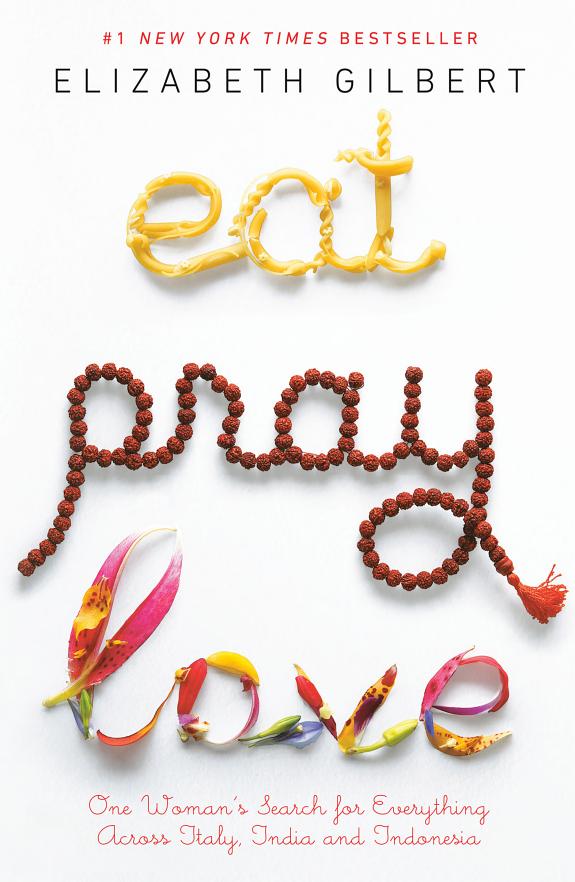
Eat, Pray, Love
2. Eat, Pray, Love by Elizabeth Gilbert
Say what you want about this book’s cultural saturation, and yes, it has been a little everywhere since 2006, but “Eat, Pray, Love” earned its reputation honestly. Elizabeth Gilbert writes with warmth, self-deprecating humor, and a genuine curiosity about the world that makes even her most indulgent passages feel earned. The premise is simple enough: after a painful divorce and a subsequent relationship that also falls apart, Gilbert travels to Italy, India, and Indonesia for a year to eat well, study devotion, and find some semblance of inner balance. What she actually finds is more complicated and more interesting than that summary suggests.
Gilbert is a skilled enough writer to make a book about a relatively privileged woman’s spiritual journey feel grounded rather than precious. She is funny about her own flaws, honest about her depression, and refreshingly uninterested in presenting herself as enlightened. The Italy section alone, which is essentially a love letter to pleasure and rest, is worth the price of the book for anyone who has forgotten that enjoyment is not something you have to earn.
The book does have its limits. The structural tidiness of three countries, three themes, four months each, can feel a little convenient in hindsight, and the final romantic resolution has divided readers since publication. Some find it deeply satisfying. Others feel it undercuts the independence the rest of the book builds toward. Both reactions are fair.
Gilbert is not selling you a formula for healing. She is telling you about one year she took seriously, and inviting you to consider what a year taken seriously might look like for you.
This is perfect for women craving permission to slow down, rest, and prioritize their own experience for once. It is probably not the right fit for readers who find memoir-as-spiritual-journey self-indulgent, or who are looking for something with more practical structure and less wandering.
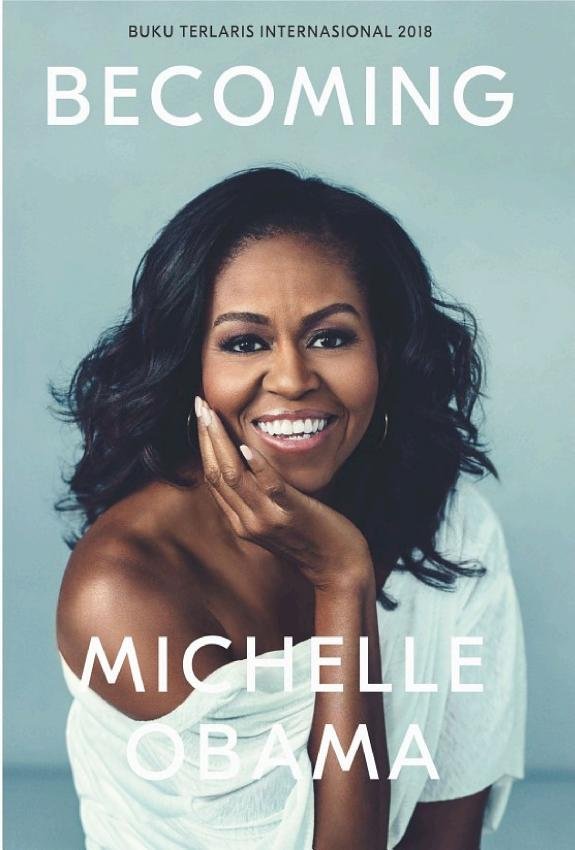
Becoming
3. Becoming by Michelle Obama
Michelle Obama’s memoir is, in the most straightforward sense, the story of a girl from the South Side of Chicago who ends up living in the White House. But reducing it to that trajectory misses what makes “Becoming” so quietly compelling. Obama is an exceptionally careful writer, or at least an exceptionally careful thinker, and the book is less interested in the spectacle of her life than in the interior work of figuring out who she was at each stage of it. She writes about her father’s MS, about her early ambitions, about the constant question of whether she was “enough,” with a specificity that keeps the book from ever feeling like a polished press release.
What sets “Becoming” apart from many political memoirs is Obama’s willingness to write about marriage as a real, sometimes difficult partnership rather than a fairy tale. Her honest account of couples therapy, of feeling professionally sidelined during her husband’s early political career, of the particular loneliness of being a Black woman in rooms that were not built for her, adds real texture to a story that could easily have been flattened into inspiration porn.
The title is the real thesis. Obama is not presenting a finished self. She is arguing, gently but firmly, that becoming is the point. That identity is not a destination you arrive at but something you keep working on. For women in the middle of that work, that framing is genuinely useful.
“Becoming” is a reminder that even a life lived at extraordinary scale is still, at its core, the same daily project of figuring out who you are and what you stand for.
This is perfect for women who want a memoir that balances personal honesty with broader social and political context, and who find inspiration in stories of sustained effort rather than sudden revelation. It may feel too measured for readers looking for raw emotional catharsis or a more unconventional narrative structure.
The Gifts of Imperfection
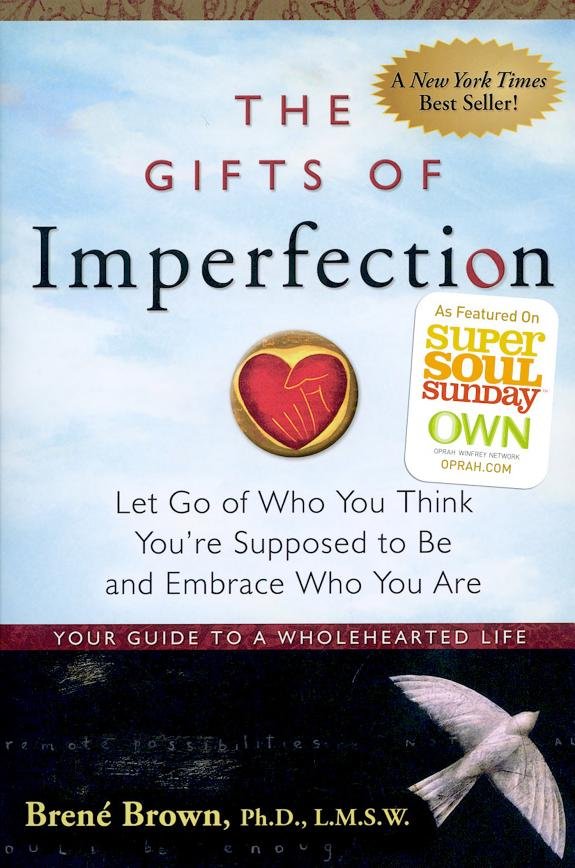
4. The Gifts of Imperfection by Brené Brown
Brené Brown spent years as a researcher studying shame and vulnerability before she wrote this book, and that background gives “The Gifts of Imperfection” a different texture than most self-help titles. It is not purely anecdotal, and it is not purely academic. It sits somewhere in between, which is either its great strength or a mild frustration depending on what you came for. Brown’s central argument is that wholehearted living, her term for a life built around authenticity rather than performance, requires letting go of the exhausting project of trying to be enough by other people’s standards.
The book is organized around ten guideposts, which sounds like it could get listicle-ish, but Brown’s writing keeps things from feeling mechanical. She draws on her research, her own stumbling personal experiences, and a directness that occasionally borders on blunt. She is particularly good on the subject of comparison, on how constantly measuring yourself against others quietly hollows out your sense of self, and on the way perfectionism masquerades as high standards while actually functioning as self-protection.
It is a relatively short book, and some readers wish Brown had gone deeper on certain ideas rather than moving through them briskly. That is a reasonable critique. But for a reader who is just beginning to examine these patterns in herself, the breadth can be exactly right. It opens doors rather than closing them.
Brown is not asking you to lower your standards. She is asking you to examine whose standards you have been holding yourself to, and whether they were ever actually yours.
This is perfect for women who want a research-informed but accessible book about self-acceptance, particularly those who suspect perfectionism and people-pleasing are getting in their way. It is less suited to readers who have already spent significant time with Brown’s work and are looking for deeper theoretical engagement.
You Are a Badass
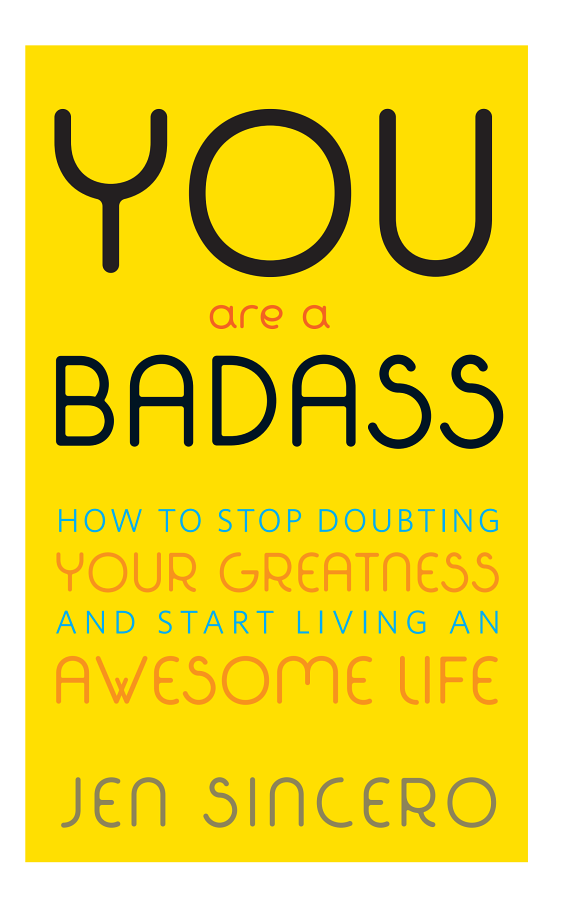
5. You Are a Badass by Jen Sincero
Full disclosure: “You Are a Badass” is the loudest book on this list. Jen Sincero writes with the energy of someone who has had three excellent cups of coffee and genuinely cannot wait to tell you something. If that sounds like too much, it might be. But if you are someone who responds to enthusiasm, to a voice that is irreverent and warm and refuses to let you wallow, this book has a real knack for cutting through the fog of self-doubt. Sincero’s background is as a coach and writer, and that coaching sensibility is present throughout, in the best and occasionally most relentless way.
The book’s argument is essentially that most of us are living smaller than we need to because of stories we absorbed early on about who we are and what we deserve. Sincero is not particularly interested in unpacking those stories with great psychological nuance. She is more interested in getting you to notice them, laugh at them a little, and then start making different choices. There is a section on money that some readers find bracing and others find a bit breezy, and a spiritual framework involving “the Universe” that will click for some and feel vague to others.
What Sincero does well, and what keeps this book on shelves more than a decade after publication, is that she makes self-improvement feel less like homework and more like a conversation with a friend who refuses to let you be small. The humor is genuine, the pacing is quick, and the book has a way of making you feel like action is possible even when you have been stuck for a long time.
Sincero’s great talent is making the gap between where you are and where you want to be feel bridgeable rather than humiliating.
This is perfect for women who want a fast, energizing read that pushes them toward action rather than extended introspection, particularly those who respond well to humor and a direct, no-nonsense voice. It is not the right fit for readers looking for deep psychological exploration, nuanced research, or a quieter, more contemplative approach to self-discovery.
None of these five books will do the work for you. That is worth saying plainly. But the right book at the right moment can be the thing that makes you feel less alone in the process, or that names something you have been carrying around without language for it. That is not nothing. That is actually quite a lot.
If you are somewhere in the middle of figuring yourself out again, or for the first time, start with whichever title made something in you lean forward slightly while reading. That instinct is usually worth trusting. And if you finish one and find yourself hungry for more, the others will be waiting.