
7 Books for Deep Healing and Self-Discovery
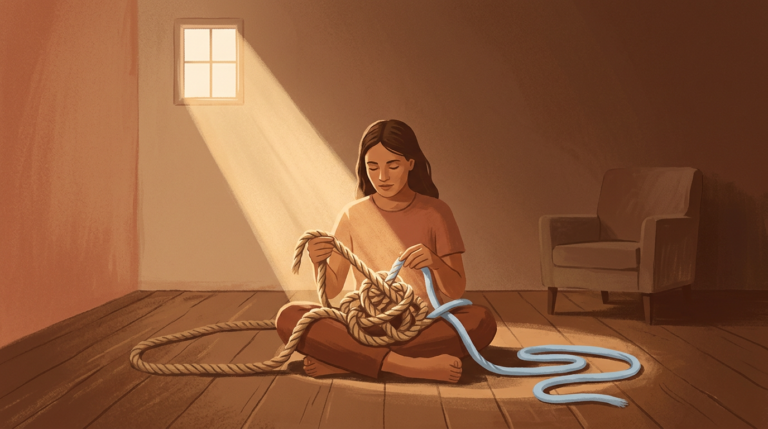
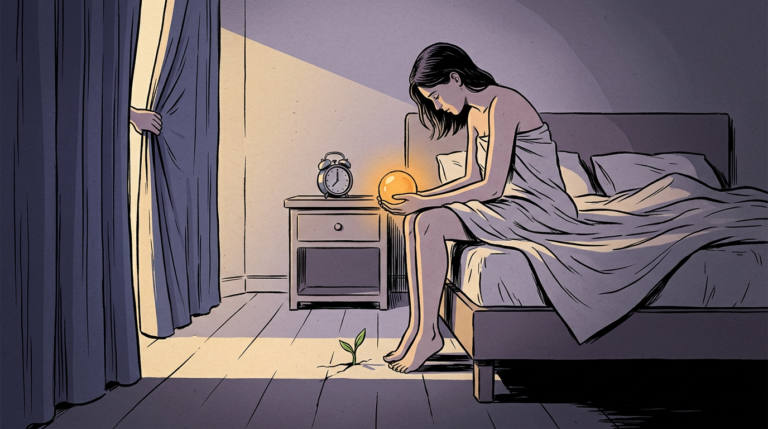
There is a particular kind of afternoon when you realize that the way you have been living, the way you have been talking to yourself, the way you shrink in certain rooms, is not actually who you are. It is just a pattern. A very old, very stubborn pattern. And something in you wants to understand it, loosen it, and maybe, eventually, let it go.
That is what this list is for. These seven books are not quick fixes or weekend retreats in paperback form. They are honest, sometimes uncomfortable, and genuinely useful companions for the kind of inner work that takes time. Some are rooted in psychology, some in spirituality, some in neuroscience. All of them have something real to offer. Whether you are just beginning to ask harder questions about yourself or you have been on this road for years, there is something here worth reading slowly.
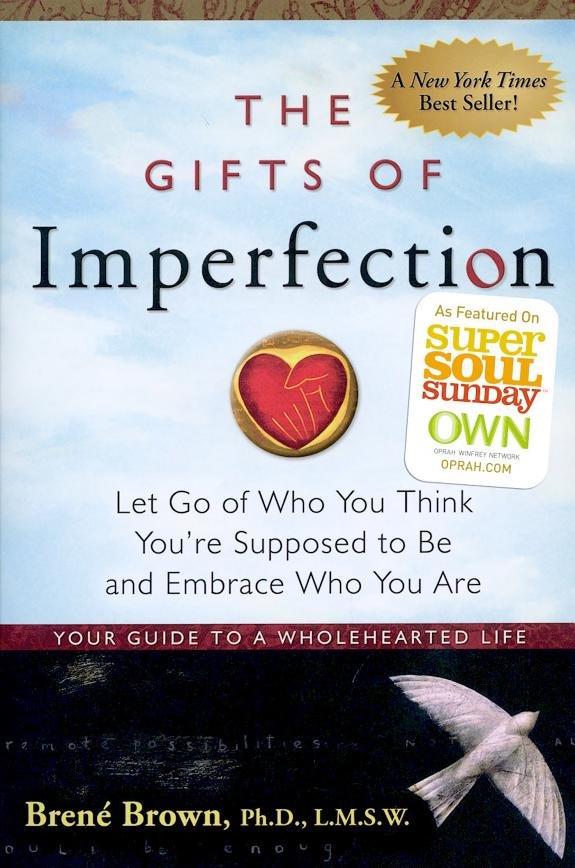
The Gifts of Imperfection
1. The Gifts of Imperfection by Brené Brown
Brené Brown spent years as a shame researcher before she became one of the most recognized voices in the conversation around vulnerability and belonging. This book, which predates her more widely known work, feels more intimate than some of her later writing. It reads less like a lecture and more like a letter from someone who has genuinely wrestled with the same fears she is writing about.
The central idea is deceptively simple: that wholehearted living requires letting go of who you think you should be and embracing who you actually are. Brown builds this argument through what she calls guideposts, qualities like cultivating gratitude, rest, play, and creativity, not as productivity hacks but as acts of quiet courage. She is particularly good on the difference between fitting in and belonging, a distinction that sounds small until you sit with it for a moment.
Her writing style is warm and conversational, peppered with personal stories and research findings in roughly equal measure. Some readers find the combination energizing. Others find the self-disclosure a little much. If you prefer your psychology delivered with clinical distance, this may not be the right entry point. But if you want something that feels like a real person talking to you, Brown delivers that consistently.
“Perfectionism is not the same thing as striving to be your best. Perfectionism is the belief that if we live perfect, look perfect, and act perfect, we can minimize or avoid the pain of blame, judgment, and shame.”
This is perfect for readers who are beginning to question their inner critic and want a readable, research-grounded place to start, especially those who have spent a long time performing okayness for other people.
The Untethered Soul
2. The Untethered Soul by Michael A. Singer
Michael A. Singer asks a question in the opening pages of this book that sounds almost too simple: who are you? Not your name, not your job, not your history. Who is the one noticing all of that? From that single question, he builds an entire framework for understanding consciousness, the inner voice, and the accumulated emotional weight most of us carry around without realizing it.
The book is rooted in spiritual philosophy, drawing loosely from yogic and contemplative traditions, but Singer is careful to present these ideas in accessible, non-dogmatic language. The core argument is that most of our suffering comes from identifying with our thoughts and emotions rather than recognizing ourselves as the awareness behind them. He uses the metaphor of a thorn in your side: you can spend your whole life arranging your life around not bumping the thorn, or you can remove it. The book is largely about removing it.
Singer writes with unusual clarity for this kind of subject matter. There is no jargon, no requirement that you already believe anything in particular. That said, this book is not for everyone. If you are looking for practical exercises, clinical frameworks, or step-by-step guidance, you will find this too abstract. It is a book of perspective, not protocol. But for readers open to a shift in how they understand their own inner experience, it can be quietly revelatory.
“There is nothing more important to true growth than realizing that you are not the voice of the mind. You are the one who hears it.”
This is perfect for readers drawn to contemplative or spiritual approaches to self-understanding, particularly those who feel exhausted by the constant noise of their own thinking and want a different relationship with their inner life.
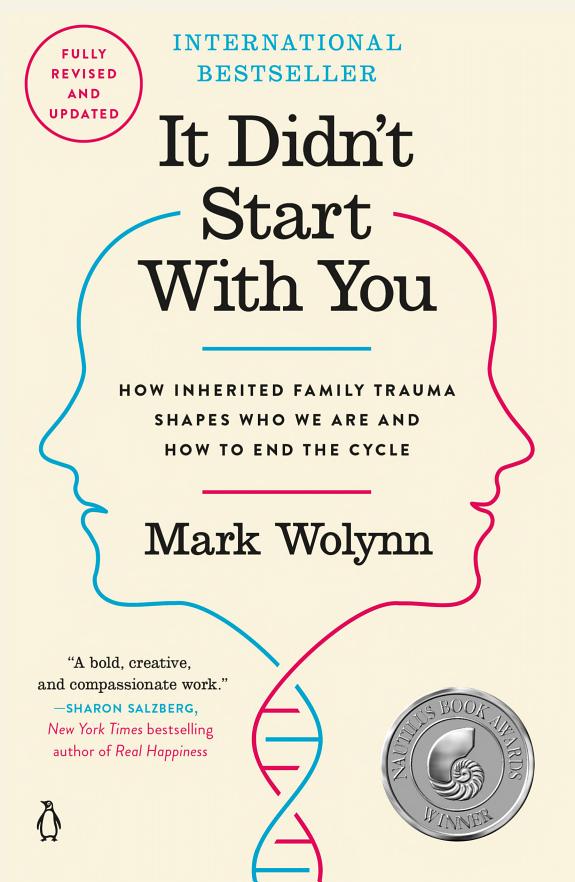
It Didn’t Start with You
3. It Didn’t Start with You by Mark Wolynn
Mark Wolynn opens this book with a premise that stops many readers cold: some of the pain you carry may not have originated with you. Drawing on research in epigenetics, family systems therapy, and neuroscience, he makes a compelling case that unresolved trauma can pass between generations, showing up in the bodies, behaviors, and emotional patterns of children and grandchildren who never experienced the original event themselves.
This is not a fringe idea anymore. The research on intergenerational trauma has grown considerably in recent decades, and Wolynn does a good job of presenting it accessibly without oversimplifying. He developed what he calls the Core Language Approach, a method for tracing the words and images that surface around a person’s deepest fears back through family history to find their source. The case studies throughout the book are striking, sometimes almost eerie, and they do a lot of work in making the theory feel grounded and real.
Wolynn writes with genuine care for the reader. This is not a book that wallows in suffering. The orientation is consistently toward resolution and reconnection. That said, readers who are in the early or fragile stages of trauma recovery should approach carefully, ideally with a therapist alongside them. Some of the material is heavy, and the self-directed exercises, while thoughtfully constructed, are not a substitute for professional support.
“The fears we carry, the losses we relive, the relationships we sabotage, may not be ours alone. They may be borrowed from those who came before us.”
This is perfect for readers who have done personal work but keep hitting the same walls, or those who sense that something in their family history is quietly shaping their present in ways they cannot quite name.
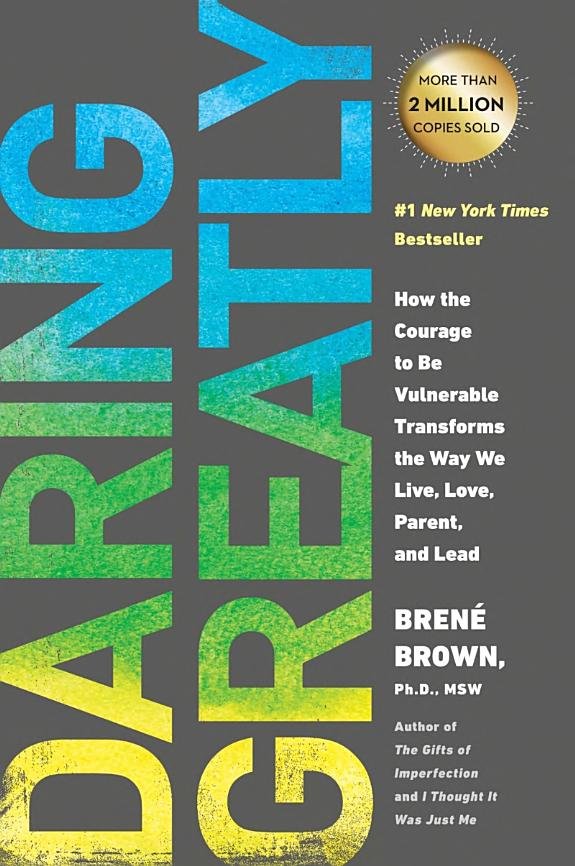
Daring Greatly
4. Daring Greatly by Brené Brown
If “The Gifts of Imperfection” is Brown at her most personal, “Daring Greatly” is Brown at her most expansive. The title comes from a Theodore Roosevelt speech about the man in the arena, and the book uses that image as a lens for examining vulnerability, not as weakness, but as the precondition for any kind of meaningful engagement with life. It is a bigger, more ambitious book than her earlier work, and in most ways it earns that ambition.
Brown argues that our culture has a deeply conflicted relationship with vulnerability. We celebrate it in others and punish it in ourselves. We want authenticity from the people we admire and then shame them the moment they actually show it. She examines how this plays out in workplaces, schools, and families, and the chapters on parenting and on organizational culture are among the most practically useful things she has written.
The writing here is sharper and more structured than in her earlier books, which some readers prefer and others find slightly less warm. She is also more direct about shame, distinguishing it carefully from guilt (shame is about who you are, guilt is about what you did), a distinction that sounds academic until you realize how much it changes the way you understand your own worst moments. This is not a book for readers who find personal development writing insufferable as a genre. Brown is very much working within that tradition, and she knows it.
“Vulnerability is not winning or losing. It’s having the courage to show up and be seen when we have no control over the outcome.”
This is perfect for readers who want to understand how shame and vulnerability operate not just in their inner lives but in their relationships and professional environments, and who are ready to do something about it.
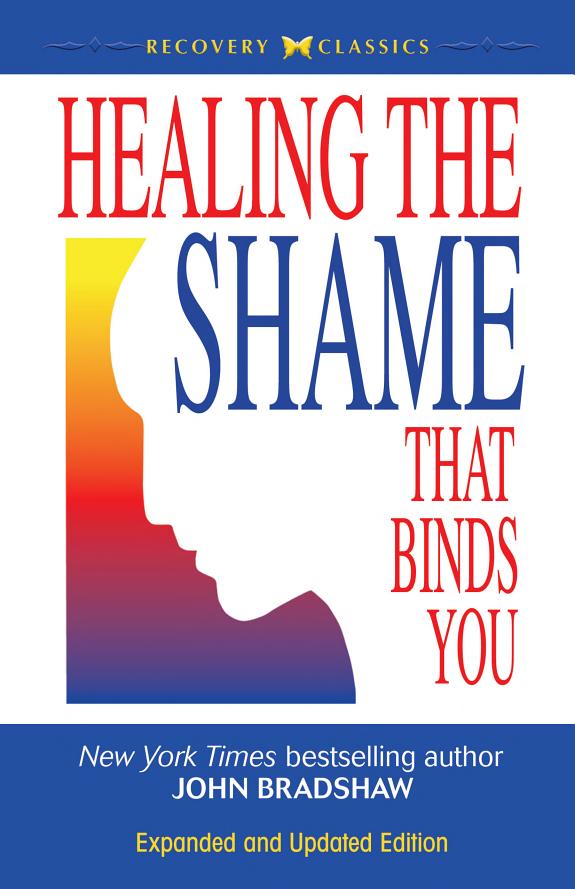
Healing the Shame That Binds You
5. Healing the Shame That Binds You by John Bradshaw
John Bradshaw published this book in 1988, and it remains one of the most direct and unsparing treatments of toxic shame in the popular psychology canon. Bradshaw distinguishes between healthy shame, the kind that reminds us we are human and fallible, and what he calls toxic or internalized shame, the belief that you are fundamentally defective as a person. That second kind, he argues, is at the root of addiction, codependency, compulsive behavior, and a great deal of ordinary human misery.
Bradshaw’s writing style is earnest and sometimes intense. He was a recovering alcoholic and a former seminary student, and both of those experiences show up in his voice, which is part preacher, part therapist, part survivor. Some readers find this combination deeply resonant. Others find it a little overwhelming. He does not do understatement. But the ideas he is working with are serious and well-developed, and his framework for understanding how shame gets transmitted in families remains genuinely useful.
The book includes experiential exercises drawn from group therapy, inner child work, and psychodrama. These sections are not for the faint of heart, and they are best approached with some professional support nearby rather than alone at midnight. The older language and some of the pop psychology framing have dated slightly, and readers accustomed to more recent, research-heavy writing may notice the difference. But the core insight, that shame is not a feeling you have but an identity you inhabit, is one worth sitting with for a long time.
“Toxic shame is not a feeling. It is an identity. It is the belief that one is fundamentally bad, defective, and unworthy of love.”
This is perfect for readers who suspect that shame, rather than any specific event or relationship, is the deeper current running beneath their struggles, and who are willing to do some genuinely uncomfortable inner work.
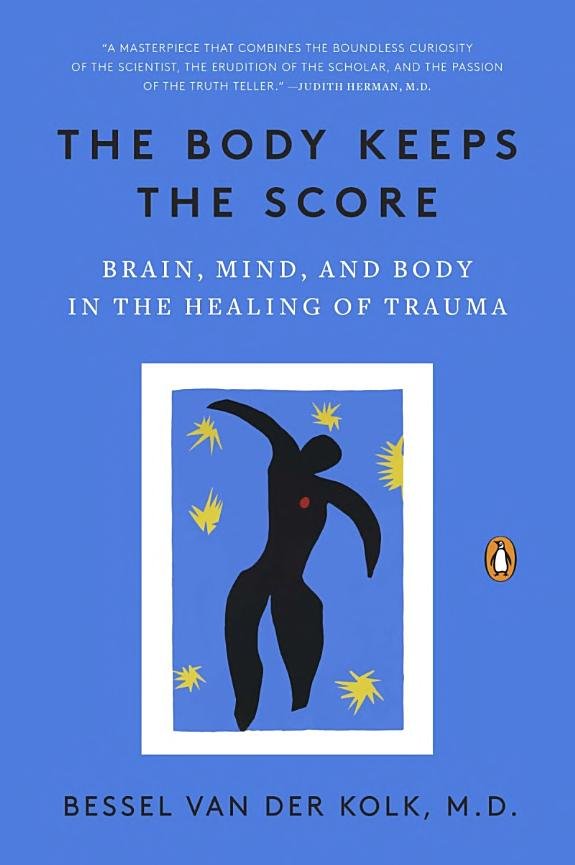
The Body Keeps the Score
6. The Body Keeps the Score by Bessel van der Kolk
Bessel van der Kolk has spent decades working with trauma survivors, and this book is the distillation of that work. The central argument is stated plainly in the title: trauma is not just a psychological event. It is stored in the body, in the nervous system, in the way we breathe and move and startle. Understanding that changes everything about how healing needs to work.
Van der Kolk writes with the authority of someone who has sat with an enormous amount of human suffering and thought carefully about what actually helps. He covers a wide range of approaches, from EMDR and neurofeedback to theater, yoga, and body-based therapies, with the same underlying conviction that healing trauma requires working with the body, not just the mind. The neuroscience sections are thorough without being inaccessible, and the case studies are handled with real humanity.
This is a dense book, and it is worth saying clearly: it can be activating for people with significant trauma histories. Reading about trauma, even clinically, can bring things up. That is not a reason to avoid it, but it is a reason to be intentional about when and how you read it. Van der Kolk is not a breezy writer, and this is not a breezy subject. For readers who want to understand trauma from the inside out, who want to know why certain things help and others do not, this is one of the most thorough resources available in accessible form. It is also, in places, quietly devastating and quietly hopeful at the same time, which is a hard balance to strike.
“Trauma is not just an event that took place sometime in the past; it is also the imprint left by that experience on mind, brain, and body.”
This is perfect for anyone who wants to understand the science of trauma and recovery, including therapists, survivors, and people who love someone who has been through significant trauma and want to understand what is actually happening beneath the surface.
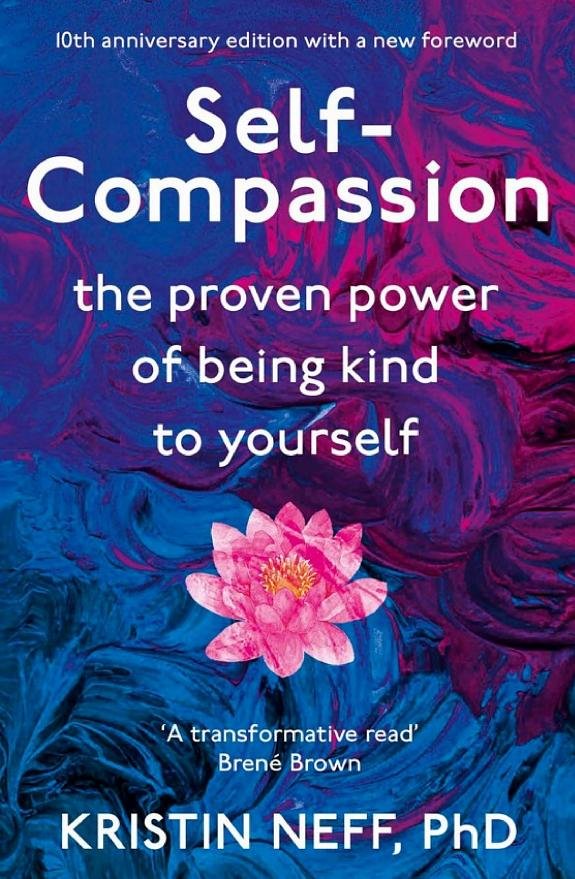
Self-Compassion
7. Self-Compassion by Kristin Neff
Kristin Neff is a researcher, and this book shows it in the best possible way. She brings real rigor to a concept that gets talked about constantly and understood rarely. Self-compassion, she argues, is not self-pity, not self-indulgence, and not a way of letting yourself off the hook. It is the practice of treating yourself with the same basic kindness you would offer a good friend who was struggling. That sounds obvious. It is, for most people, genuinely difficult.
Neff breaks self-compassion into three components: self-kindness, common humanity, and mindfulness. The common humanity piece is particularly interesting. One of the things that makes suffering worse is the belief that we are alone in it, that everyone else has their life more together than we do. Neff’s research suggests that recognizing our struggles as part of the shared human experience, rather than evidence of personal failure, is one of the most effective shifts a person can make.
The book is structured clearly and includes practical exercises throughout, which makes it more immediately usable than some of the more philosophical titles on this list. Neff also addresses the concern, which comes up constantly, that self-compassion will make people lazy or complacent. Her research suggests the opposite: self-compassion is actually associated with greater motivation, resilience, and willingness to take responsibility for mistakes. If you have ever thought that being hard on yourself was the price of being a good person, this book has something direct to say to you. It will not convince everyone, and readers who are deeply skeptical of anything that sounds like self-help may find the tone a little earnest. But the ideas are solid and the evidence is real.
“Self-compassion involves treating yourself with the same kindness, care, and understanding that you would offer a good friend who was going through a difficult time.”
This is perfect for high achievers, chronic self-critics, and anyone who has been told to be kinder to themselves without ever being given a clear, evidence-based framework for what that actually looks like in practice.
None of these books will do the work for you. That is not a criticism, it is just the nature of this kind of reading. What they can do is give you language for things you have been feeling without words, frameworks for patterns you have been living inside without seeing clearly, and the occasional reminder that the struggle you are in is a human one, not a personal failing.
Some of these books will resonate immediately. Others might sit on your shelf for a year before you are ready for them. That is fine. The right book at the right time is worth more than ten books read before you were ready. Pick the one that pulls at you most and start there. The rest will keep.