8 Books for Dating After Heartbreak
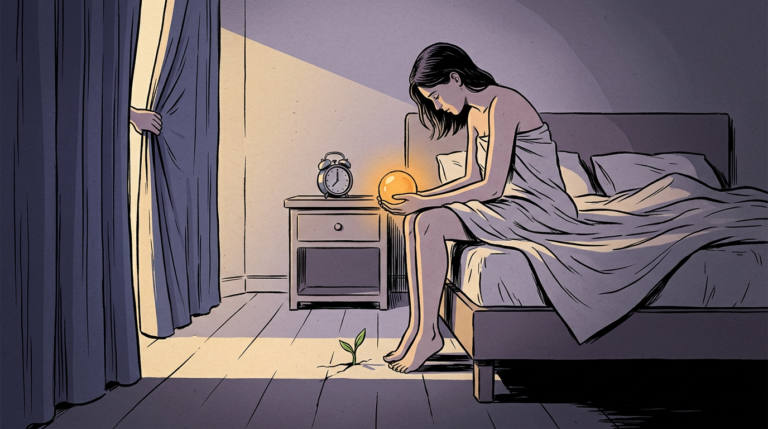
There is a specific kind of afternoon that follows a bad breakup. You are sitting on your couch, replaying conversations, trying to figure out exactly where everything went sideways. Maybe you are eating cereal at 4pm. Maybe you have watched the same episode of a comfort show three times without absorbing a single scene. You are not broken, even though it feels that way. You are just in the thick of it.
Books have always been good companions for that particular fog. Not because they fix anything overnight, but because the right words at the right time have a way of cutting through the noise in your head. The eight books below cover a lot of ground: raw grief, attachment science, the strange work of rebuilding your identity, and eventually, the cautious, hopeful business of trying again. Some are funny. Some are clinical. All of them have something real to offer, depending on where you are in the process.
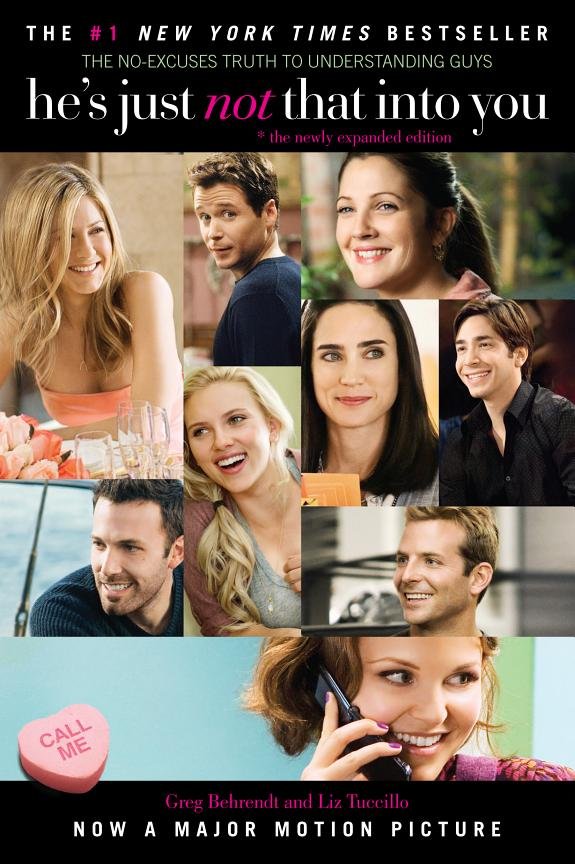
He’s Just Not That Into You: The No-Excuses Truth to Understanding Guys
1. He’s Just Not That Into You: The No-Excuses Truth to Understanding Guys by Greg Behrendt and Liz Tuccillo
This book arrived in 2004 and promptly caused millions of women to have a very uncomfortable moment of recognition. Greg Behrendt, a former consultant on Sex and the City, and co-author Liz Tuccillo wrote it in a voice that is direct, warm, and occasionally a little blunt in the way that only a genuinely caring friend can be. The central premise is simple: if someone is not making an effort to be with you, that is your answer. No amount of analyzing his texts will change it.
The format is a series of questions from women followed by honest responses, and the rhythm of it works surprisingly well. It does not lecture. It commiserates and then gently redirects. The authors understand that the problem is rarely a lack of intelligence. Smart, perceptive people talk themselves into confusion all the time when they are emotionally invested. The book exists to interrupt that loop.
Where it shines is in its refusal to let readers off the hook. It asks you to consider whether you have been settling for ambiguity because certainty felt too scary. That is a harder question than it sounds. The humor throughout keeps it from feeling like a scolding, which is the right call. Nobody learns anything when they feel lectured at.
The most useful thing this book does is remind you that confusion is not complexity. Sometimes the situation really is as simple as it looks.
This is perfect for anyone who has spent significant time decoding mixed signals and could use a straightforward, good-humored reality check before re-entering the dating world.
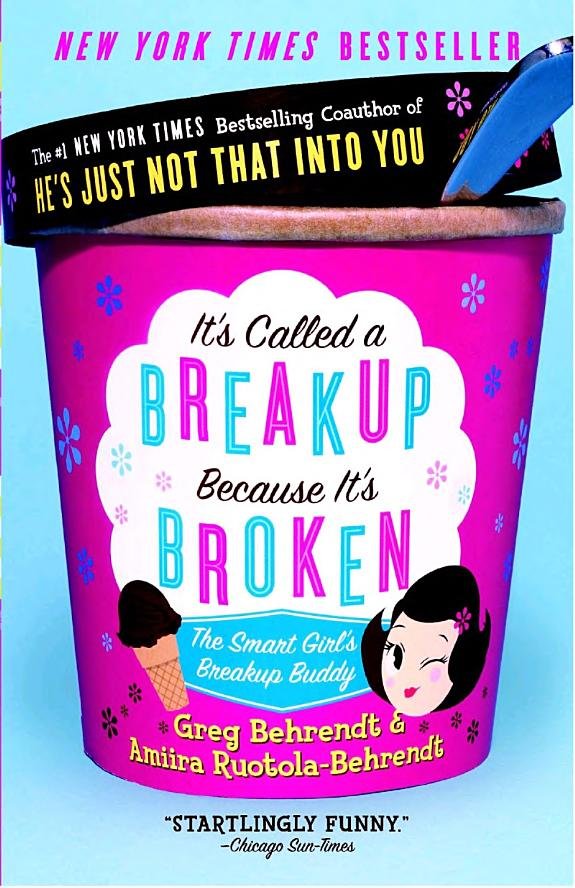
It’s Called a Breakup Because It’s Broken: The Smart Girl’s Breakup Buddy
2. It’s Called a Breakup Because It’s Broken: The Smart Girl’s Breakup Buddy by Greg Behrendt and Amiira Ruotola-Behrendt
If the first Behrendt book is about understanding why a relationship ended, this one is about surviving the aftermath. Written with his wife Amiira Ruotola-Behrendt, it reads less like a self-help book and more like a long, honest conversation with two people who genuinely want you to come out the other side intact. The tone is funny without being dismissive, which is a difficult balance to strike when the subject is real pain.
The book is structured around what it calls being a “superfox,” which sounds a little dated but the underlying idea is solid: the period after a breakup is actually an opportunity to invest in yourself rather than spend every waking hour mourning someone who is gone. The authors are not suggesting you fake your happiness. They are suggesting you do things that are genuinely good for you while the grief does its slow work in the background.
There are exercises, mantras, and a fair amount of tough love. Some readers will find the cheerleader energy a bit much, especially in the early, raw days when nobody wants to hear about silver linings. But if you can get to the middle chapters, there is real practical wisdom about how to handle the social fallout, the loneliness, and the strange identity shift that comes when a relationship ends.
Grief after a breakup is legitimate and it deserves to be taken seriously, but at some point you have to decide to be an active participant in your own recovery rather than a spectator.
This is perfect for someone who has already cried it out and is ready for a warm, occasionally irreverent guide to getting their footing back.
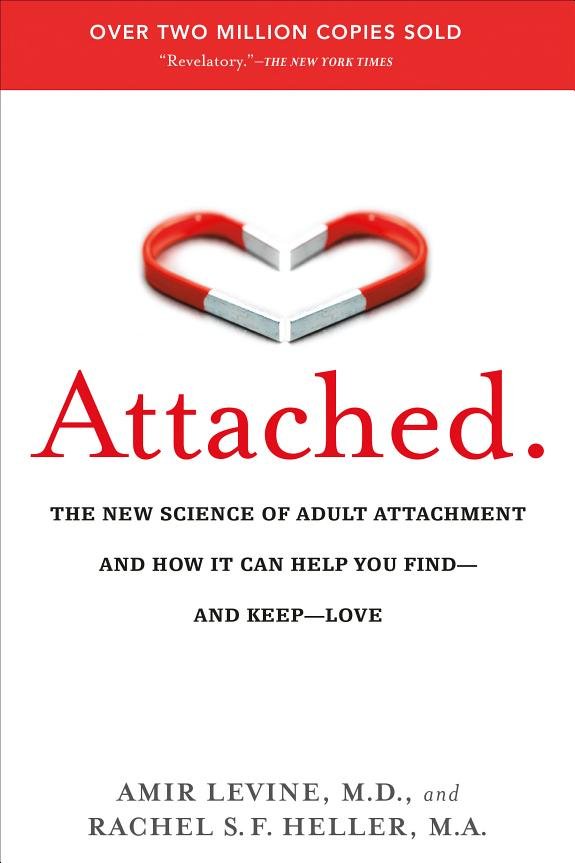
Attached: The New Science of Adult Attachment and How It Can Help You Find—and Keep—Love
3. Attached: The New Science of Adult Attachment and How It Can Help You Find and Keep Love by Amir Levine and Rachel Heller
Amir Levine is a psychiatrist and neuroscientist, and Rachel Heller is a social and organizational psychologist, and together they wrote what might be the most quietly influential relationship book of the past two decades. Attached introduces attachment theory, which originated in developmental psychology, to a general audience and applies it specifically to adult romantic relationships. The three main styles, secure, anxious, and avoidant, are explained with enough scientific grounding to feel credible and enough real-world example to feel immediately recognizable.
The reason this book belongs on a post-heartbreak reading list is that it reframes a lot of the confusion people carry after relationships end. If you have ever found yourself accused of being “too needy” or if you have been the person who pulled away when things got serious, this book offers a framework that is more useful than blame. It explains why certain patterns repeat and what to actually look for in a compatible partner rather than just hoping chemistry does the work.
It is worth saying that this book is not light reading. It is engaging, but it requires some honest self-reflection and a willingness to sit with uncomfortable realizations about your own patterns. Readers who prefer their self-help breezy and anecdotal may find the research-forward approach a little dry in places. But the payoff is substantial. Understanding your own attachment style before you start dating again is genuinely useful information.
Knowing your attachment style does not excuse your behavior or your partner’s, but it does give you a map of the territory, which is more than most people bring to a first date.
This is perfect for the reader who wants to understand the psychological mechanics behind why their relationships unfold the way they do before they start the next one.
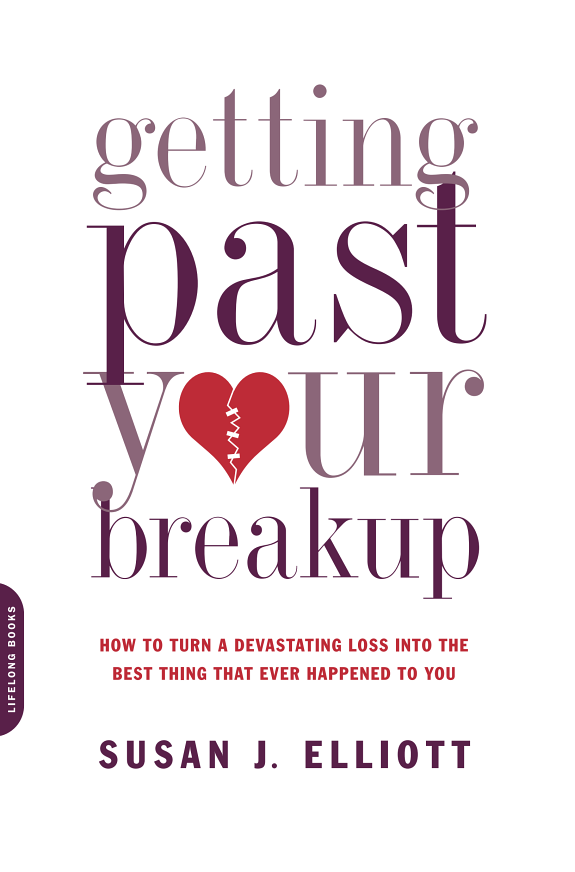
Getting Past Your Breakup: How to Turn a Devastating Loss into the Best Thing That Ever Happened to You
4. Getting Past Your Breakup: How to Turn a Devastating Loss into the Best Thing That Ever Happened to You by Susan J. Elliott
Susan J. Elliott is a grief counselor and attorney who went through a significant breakup herself, and that personal experience gives this book a texture that purely academic approaches sometimes lack. She is not writing from a comfortable distance. The framework she offers is thorough and methodical, drawing on grief theory and cognitive behavioral techniques to walk readers through the process of actually healing rather than just getting distracted until the pain fades.
The book covers grief in a way that takes breakup pain seriously as a legitimate form of loss, which matters more than it might sound. There is a cultural tendency to minimize relationship grief, to tell people to just get back out there or that there are plenty of fish in the sea, and Elliott pushes back on that firmly. She argues that unprocessed grief from past relationships accumulates and shapes future choices in ways people rarely recognize until the pattern has repeated several times.
Some readers find the workbook-style exercises throughout the book a bit intensive, and the title’s promise that this will become the best thing that ever happened to you may feel a little optimistic when you are in the early stages of loss. But the structured approach is exactly what some people need, a clear path through something that otherwise feels shapeless and endless.
Skipping the grief does not make it disappear. It just means you will carry it into the next relationship and wonder why history keeps repeating.
This is perfect for someone who suspects they have been carrying unresolved grief from past relationships and wants a structured, thorough approach to actually working through it.
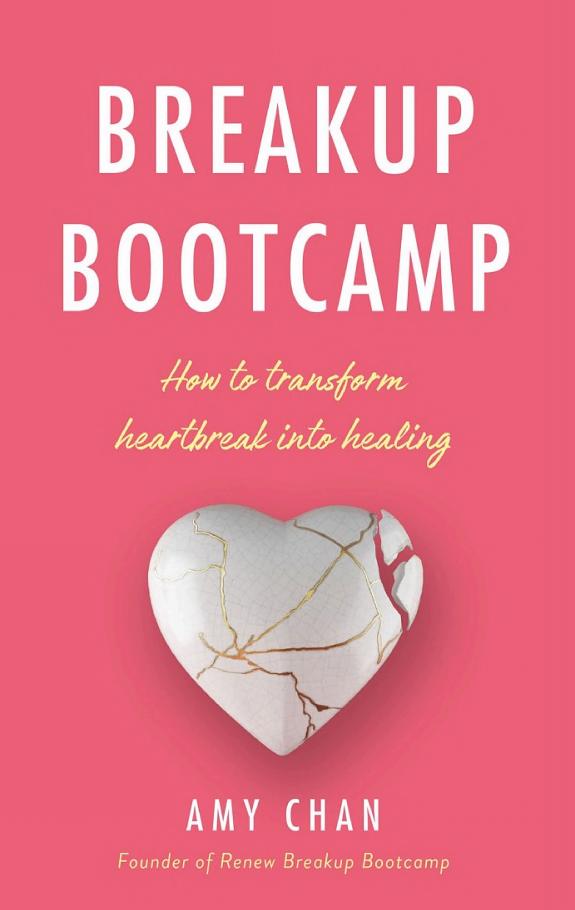
Breakup Bootcamp: The Science of Rewiring Your Heart
5. Breakup Bootcamp: The Science of Rewiring Your Heart by Amy Chan
Amy Chan founded a real retreat called Renew Breakup Bootcamp, and this book is essentially the written version of that experience, minus the group therapy sessions and the scenic location. Chan draws on neuroscience, psychology, and her own story of a painful breakup to build a case that heartbreak is not just an emotional experience but a neurological one, and that recovery requires deliberate rewiring rather than passive waiting.
What distinguishes this book from others in the genre is the breadth of its approach. Chan weaves in research on the brain’s response to rejection, the role of childhood wounds in adult relationship patterns, and the way social media actively interferes with healing. She also covers some less conventional territory, including breathwork and somatic practices, which will resonate with some readers and feel a bit out there to others. She is not preachy about it, which helps.
The writing is accessible and personal without being self-indulgent, and Chan is honest about the ways her own heartbreak shaped her blind spots. The book does assume a certain openness to introspective work, and if you are the kind of person who finds journaling exercises excruciating, some sections will test your patience. But for readers willing to engage, the combination of science and practical tools is well done.
Healing is not a passive process. The brain is plastic, which means it can be rewired, but only if you actually do the work rather than just wait for time to do it for you.
This is perfect for the reader who wants a science-informed, holistic approach to heartbreak recovery and is open to exploring both psychological and somatic tools.
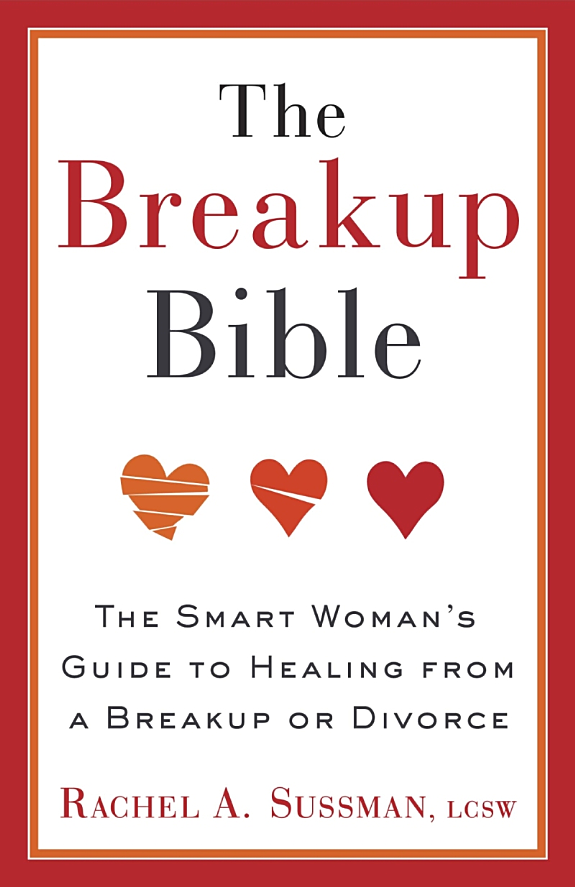
The Breakup Bible: The Smart Woman’s Guide to Healing from a Breakup or Divorce
6. The Breakup Bible: The Smart Woman’s Guide to Healing from a Breakup or Divorce by Rachel Sussman
Rachel Sussman is a licensed psychotherapist based in New York who specializes in relationships, and this book reads exactly like what it is: the distilled wisdom of someone who has sat across from a lot of people in pain and figured out what actually helps. The tone is calm and professional without being cold, and the advice is grounded in clinical experience rather than personal anecdote or pop psychology.
One of the things Sussman does well is address the full range of relationship endings. She covers both breakups and divorce, which acknowledges that the grief process can look quite different depending on the length and legal entanglement of the relationship. She also addresses the specific challenges of grieving a relationship that was not officially serious, the situationship, the almost-relationship, the thing that never quite got named but still hurt enormously when it ended.
The book is organized into clear phases of recovery and includes practical strategies for each one. It is not the most entertaining read on this list, and readers looking for humor or personal storytelling may find it a little clinical. But as a reliable, sensible guide written by someone who genuinely knows what she is talking about, it earns its place on the shelf.
Not every relationship that ends was a failure. Some of them simply ran their course, and learning to see them that way is part of what makes it possible to move forward without bitterness.
This is perfect for someone who wants a calm, professionally grounded guide through the stages of breakup recovery, including those grieving the end of a long marriage or a relationship that was never formally defined.
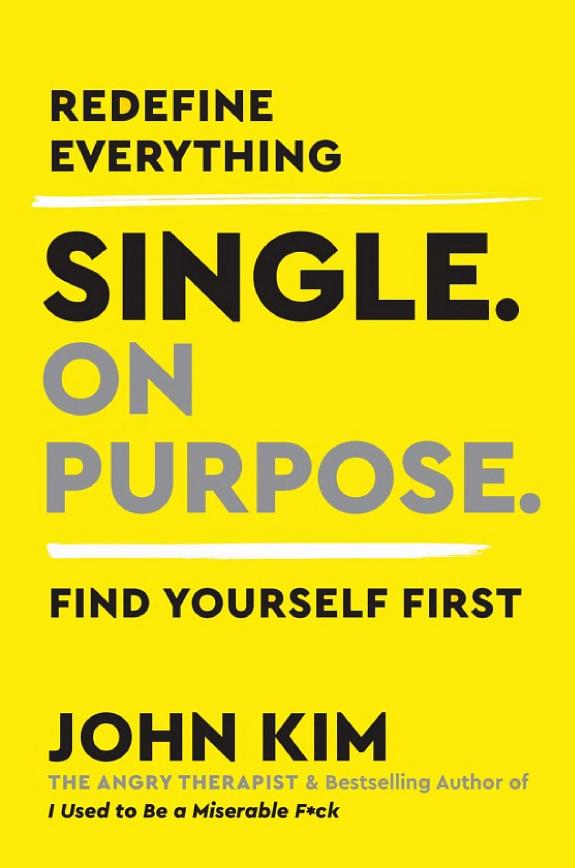
Single On Purpose: Redefine Everything. Find Yourself First.
7. Single On Purpose: Redefine Everything. Find Yourself First. by John Kim
John Kim, who writes under the name The Angry Therapist, brings a voice to this book that is noticeably different from the rest of the list. He is direct, a little raw, and writes the way someone talks when they have stopped caring about sounding polished. That style will not work for everyone, but for readers who find traditional self-help too smooth and packaged, it is a relief. He is also writing from lived experience: his own divorce sent him on a significant journey of self-examination before he found his footing again.
The book’s central argument is that being single is not a waiting room for the next relationship. It is an opportunity, possibly the best one you will get, to figure out who you actually are outside of coupledom. Kim pushes back hard against the cultural pressure to pair up quickly and argues that most people rush back into relationships before they have done the necessary internal work, which is why the same patterns keep showing up with different people.
There are exercises and prompts throughout, and Kim’s coaching background is evident in how he structures the personal development work. Some of the language skews toward a certain kind of millennial self-improvement culture, with references to “your story” and “showing up” that may make some readers roll their eyes. But the core message is worth sitting with, and Kim delivers it with genuine conviction.
The relationship you have with yourself sets the template for every other relationship in your life. That is not a cliche. It is just true, and most people do not take it seriously until something breaks.
This is perfect for someone who has just come out of a long relationship and suspects they have lost track of who they are outside of it, and who responds well to a frank, no-nonsense coaching voice.
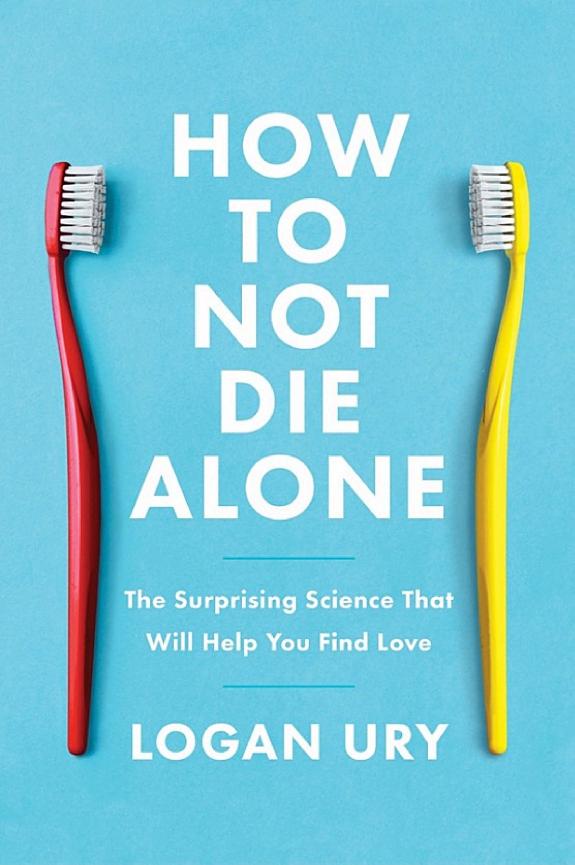
How to Not Die Alone: The Surprising Science That Will Help You Find Love
8. How to Not Die Alone: The Surprising Science That Will Help You Find Love by Logan Ury
Logan Ury is a behavioral scientist who worked at Google before becoming a dating coach, and that combination of research background and practical experience gives this book a distinct flavor. It is less about healing from heartbreak specifically and more about the cognitive patterns and behavioral tendencies that derail people’s dating lives, many of which become particularly entrenched after a painful relationship ends. She identifies three common dating personas, the romanticizer, the maximizer, and the hesitater, and uses them to diagnose why smart people keep making the same unproductive choices.
The science is genuinely interesting and Ury wears her research background lightly. She is not writing an academic paper. She is writing for people who are actually trying to date and finding it bewildering, which means the tone is warm and the examples are grounded in recognizable situations. The chapter on what actually predicts long-term compatibility versus what people think predicts it is particularly worth reading before you write another dating profile.
This book is not the right choice if you are still in the acute phase of grief. It is better suited to someone who has done some healing and is now genuinely ready to think about dating again with more intention than they brought to it before. Readers who are skeptical of behavioral science applied to romance may find some of the framing a little reductive, and the book is fairly heteronormative in its examples despite efforts to be inclusive.
Most people approach dating with a lot of intuition and very little information about how their own decision-making actually works. Closing that gap does not make love less romantic. It just makes you a better participant in the process.
This is perfect for the reader who has done the emotional work after heartbreak and is now ready to approach dating with more self-awareness, curiosity, and a willingness to examine their own patterns honestly.
No book is going to do the grieving for you. That part is unavoidable, and anyone who tells you otherwise is selling something. But the right book at the right moment can make the process feel less solitary, and it can give you language for things that have been living wordlessly in your chest for months. That is not nothing. That is actually quite a lot.
The books on this list cover a wide range of approaches, from the funny and blunt to the scientific and methodical, because people heal differently and need different things at different stages. If you are still in the thick of the grief, start with something warm and human. If you are ready to understand your patterns, reach for the science. And when you are genuinely ready to try again, let curiosity lead rather than urgency. The goal is not just to find someone. It is to find someone while actually knowing who you are. That combination tends to go better for everyone involved.