6 Books Every Woman Should Read Before 30
There is something about your twenties that feels like standing at the edge of a diving board, looking down, wondering if you actually have to jump. You are figuring out who you are, what you believe, what you will tolerate, and who you want to become. Books cannot make those decisions for you, but the right ones can make you feel considerably less alone while you figure it out.
This list is not a checklist of improving yourself or becoming a better version of anything. It is simply six books that have something real to say to women navigating the complicated, occasionally hilarious, often difficult experience of being alive and female. Some are memoirs, some are fiction, and one involves witches, which is frankly never a bad thing. Read them in any order. Dog-ear the pages. Argue with them if you want to.
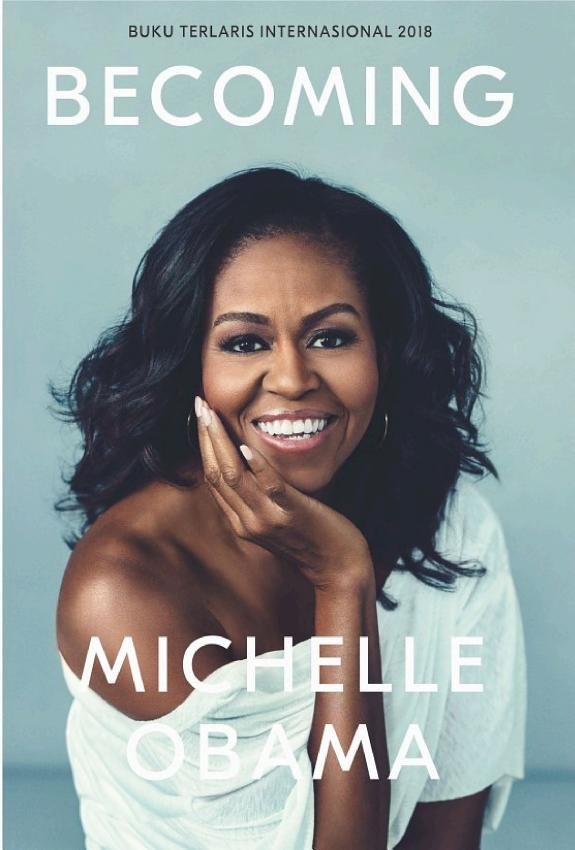
Becoming
1. Becoming by Michelle Obama
Michelle Obama is a writer with a precise, unhurried voice. She does not rush toward the White House years, and that restraint is exactly what makes this memoir worth reading. She spends considerable time on Chicago’s South Side, on her parents, on the particular texture of growing up Black in a neighborhood slowly being abandoned by opportunity. She is specific where other memoir writers are vague, and that specificity is what makes her feel like a person rather than a monument.
What strikes most readers, especially younger ones, is how openly she writes about doubt. She doubted whether Princeton was right for her. She doubted her marriage at points. She doubted whether the version of herself she was building was actually hers or something assembled for other people’s comfort. These are not confessions designed to make her seem relatable in a calculated way. They feel honest, which is rarer than it should be in books written by public figures.
The sections about balancing ambition with partnership are particularly worth sitting with. She does not pretend that being married to someone with enormous drive and political ambition was always easy, and she does not frame her own career sacrifices as noble. She names the cost. That honesty is what separates this book from a polished press release with a cover photo.
“Becoming” is a reminder that identity is not something you find once and carry forward intact. It is something you keep negotiating, sometimes with yourself and sometimes with the world around you.
This is perfect for women in their twenties who are wrestling with ambition, identity, and the quiet pressure to become something definable before they have even had time to figure out what they want.
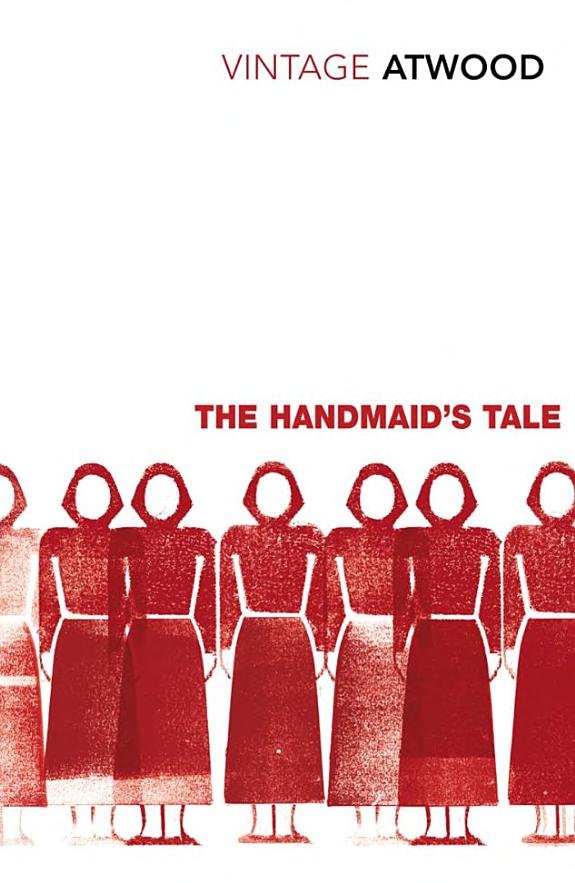
The Handmaid’s Tale
2. The Handmaid’s Tale by Margaret Atwood
Margaret Atwood wrote this novel in 1985, and the fact that it keeps feeling more relevant rather than less is either a testament to her foresight or a fairly grim commentary on the world, possibly both. The story follows Offred, a woman living in the theocratic republic of Gilead, where women have been stripped of their rights, their names, and their autonomy. Atwood builds this world with terrifying plausibility, drawing on historical precedents rather than pure invention. She has said she included nothing in the book that had not already happened somewhere.
What makes this novel so unsettling is not the extremity of Gilead but its logic. The system has internal rules, social hierarchies among women, rituals designed to make oppression feel inevitable. Atwood is not writing a simple villain-versus-hero story. She is writing about how ordinary people participate in, accommodate, and sometimes enable the erosion of freedom in increments small enough to seem manageable until they are not.
Offred’s voice is dry, observant, and occasionally wry in a way that feels deeply human. She is not a saint or a revolutionary. She is a woman trying to survive and hold onto her sense of self in circumstances that are designed to erase it. Her interiority is the whole point. Reading this before thirty means reading it with enough of your own sense of self forming that you can feel what is at stake.
Atwood understands that the most effective control is the kind that makes the controlled feel they have no other reasonable option. That is the novel’s central, uncomfortable argument.
This is perfect for women who want fiction that takes ideas seriously, who are drawn to dystopian worlds that feel too close for comfort, and who appreciate a narrator with a sharp, unsentimental inner voice.
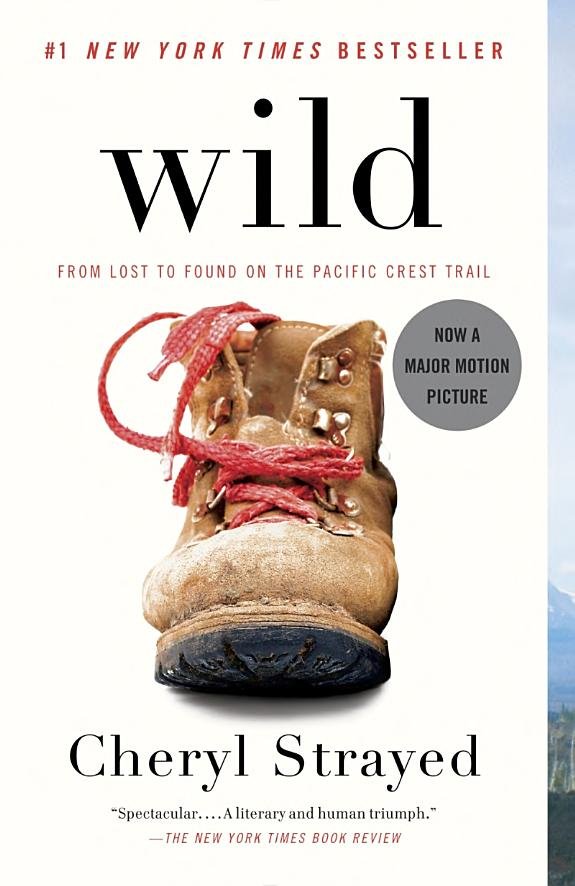
Wild
3. Wild by Cheryl Strayed
Cheryl Strayed was twenty-six when she decided to hike over a thousand miles of the Pacific Crest Trail alone, with almost no prior hiking experience and a backpack so heavy she could barely lift it. She named the backpack Monster. This detail tells you most of what you need to know about her as a writer: she is funny about herself in a way that never tips into self-deprecation for its own sake.
The trail sections are vivid and physical in the best way. Strayed writes about blisters and bears and the specific misery of running out of food with the same unflinching attention she brings to the harder material: her mother’s death from cancer, her own spiral into heroin use and a marriage she destroyed, the years she spent making choices she could not fully explain. She does not use the hike as a tidy metaphor for healing. The relationship between the walking and the grief is messier and more honest than that.
This is not a book about having everything figured out by the end. Strayed finishes the trail, but she does not arrive at a neat resolution. What she arrives at is something closer to the ability to keep going, which is perhaps the more useful thing anyway. Her writing has a rawness that can feel uncomfortable, and that discomfort is the point.
Strayed does not suggest that walking through wilderness will fix what is broken in you. She suggests that it might help you stop running from it long enough to see it clearly.
This is perfect for women who are in the middle of grief, transition, or a period of making questionable decisions, and who want a companion on the page who has been there and does not pretend it was graceful.
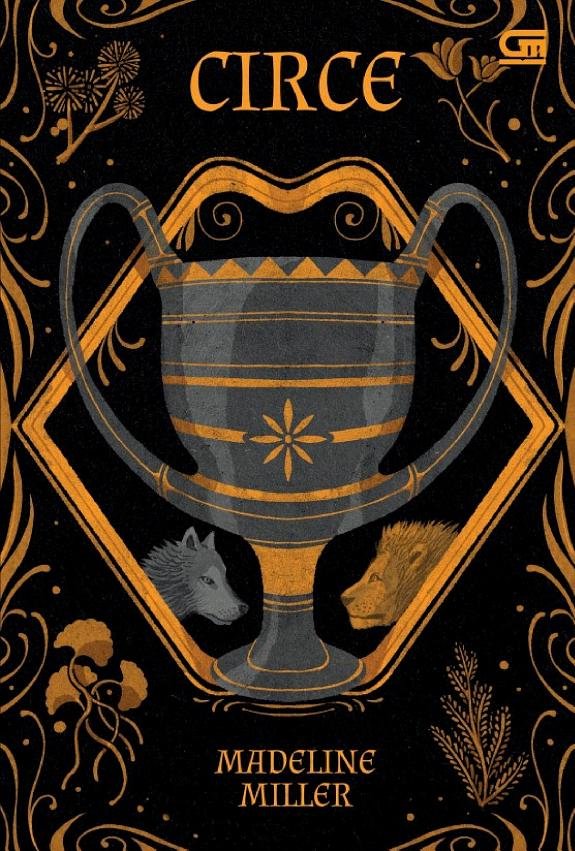
Circe
4. Circe by Madeline Miller
Madeline Miller takes the minor witch from Greek mythology, the one who turns Odysseus’s men into pigs and gets a brief chapter in the Odyssey, and gives her an entire interior life spanning thousands of years. It is a genuinely impressive act of literary reclamation. Circe begins as a figure dismissed by gods and mortals alike, considered neither beautiful enough nor capable enough to matter, and the novel follows her long, slow discovery of what she actually is.
Miller’s prose is lush without being overwrought. She has a gift for making ancient settings feel tactile and immediate, and her Circe is a character who earns your investment not because she is heroic in a conventional sense but because she is curious, stubborn, and willing to be changed by experience. The novel engages seriously with questions of authority, particularly the kind of authority that women are permitted to hold and the terror it provokes in those who are not used to seeing it.
There is also a romance that is handled with more nuance than you might expect from a novel that could easily have coasted on mythology and atmosphere. The relationships Circe forms, romantic and otherwise, are complicated by history, by her own mistakes, and by the genuine difficulty of intimacy between people with very different amounts of time ahead of them. It is a novel about becoming yourself when the world has spent centuries telling you that you are not quite enough.
Miller understands that the women mythology left in the margins were often there because the original storytellers were not especially interested in what a woman’s inner life might contain. She is very interested.
This is perfect for women who love mythology, who are drawn to fiction that thinks carefully about authority and identity, and who want a protagonist whose growth happens over a very long time and is therefore all the more believable.
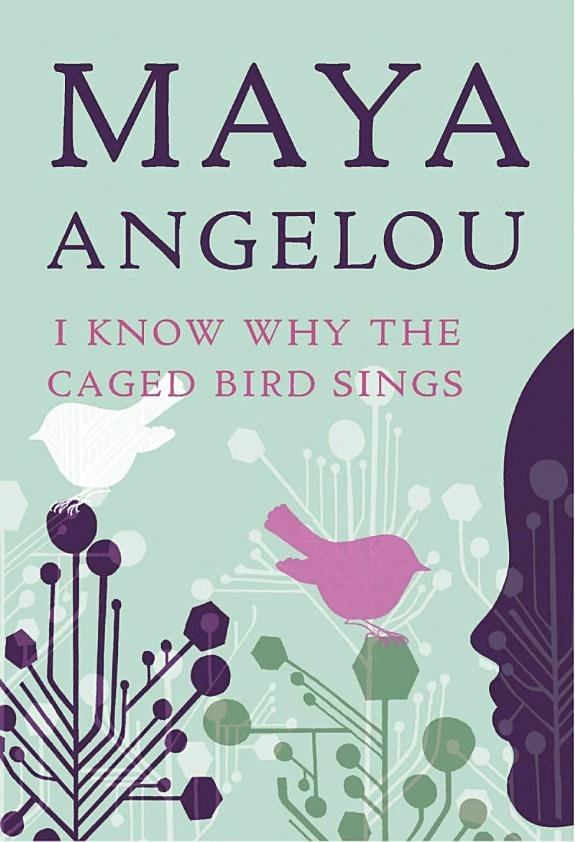
I Know Why the Caged Bird Sings
5. I Know Why the Caged Bird Sings by Maya Angelou
Maya Angelou’s first autobiography covers her childhood and adolescence in Stamps, Arkansas, and later in St. Louis and San Francisco. She was a writer of extraordinary precision and musicality, and those qualities are present from the first page. This is a book that rewards reading aloud, even quietly to yourself, because the sentences have a rhythm that you feel before you fully understand it.
The book deals directly with racism, sexual violence, and poverty, and Angelou does not soften any of it. She was eight years old when she was assaulted by her mother’s boyfriend, and the aftermath of that trauma, including a period of selective muteness, is handled with a care and honesty that feels protective of the child she was without excusing the world that failed her. Reading this in your twenties, when you may have your own complicated relationship with your past self, can be a quietly significant experience.
What is equally present throughout is joy. Angelou writes about her grandmother with reverence, about books with a love that will resonate with anyone reading this on a book blog, about the specific dignity of Black community life in the South with a depth that refuses to let suffering be the only story. She is a writer who holds complexity without letting it collapse into simplicity in either direction.
Angelou’s great achievement here is writing a childhood defined by hardship in a way that never reduces her younger self to her wounds. She was always more than what happened to her.
This is perfect for women who want memoir that is also literature in the fullest sense, who are drawn to writing that is honest about pain without being consumed by it, and who love a prose style that feels like it was made to last.
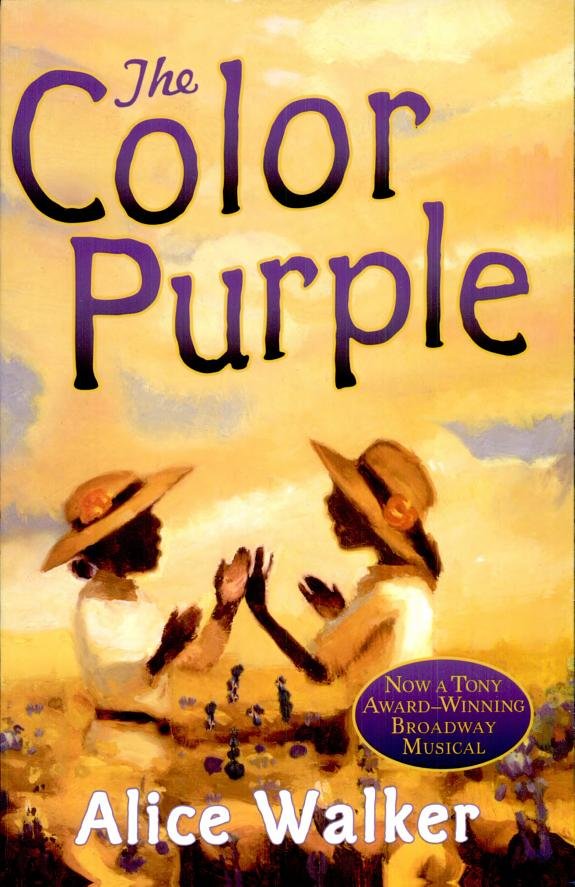
The Color Purple
6. The Color Purple by Alice Walker
Alice Walker’s Pulitzer Prize-winning novel is told entirely in letters, which is a structural choice that turns out to be a deeply meaningful one. Celie, the novel’s narrator, begins writing to God because she has no one else she can speak to honestly. The letters are her private interior, the only space that belongs entirely to her, and watching that space gradually expand as Celie’s circumstances and sense of self change is the emotional core of the book.
Walker writes in Celie’s vernacular voice with extraordinary skill. The language is immediate and particular and carries a musicality that is completely its own. Some readers initially find the dialect challenging, but those who stay with it usually find that it becomes one of the novel’s great pleasures. The voice is not a limitation. It is the whole point. Celie’s language is Celie.
The novel is also, among other things, a love story, and the relationship between Celie and Shug Avery is one of the most fully realized relationships in American fiction. Walker writes about desire, friendship, and the way another person can show you who you are with a generosity that never tips into sentimentality. There are male characters in this novel who do genuinely terrible things, and Walker does not excuse them, but she also does not let the novel become purely a document of harm. It is, stubbornly and beautifully, a novel about the possibility of a life that is yours.
Walker’s central argument, if a novel can be said to have one, is that the self is not destroyed by suffering. It goes underground. And it can come back.
This is perfect for women who want fiction that is honest about violence and resilience without making either feel simple, who are drawn to unconventional narrative structures, and who believe that a love story can be one of the most serious things a novel attempts.
None of these six books will hand you a map for your twenties. They will not tell you what career to choose or whether to stay in the relationship or how to talk to your mother. What they will do, if you let them, is sit with you while you work through those things yourself. They are company of the best kind: honest, complicated, and not especially interested in making you feel comfortable when discomfort is what the moment calls for.
Read them when they find you. Some of these will land differently at twenty-two than they will at twenty-eight, and that is fine. A book that you return to is often more valuable than one you read once and file away as completed. These are the kind of books you lend to people and then worry about getting back. That is usually a good sign.