

8 Books Every Woman With Boundary Issues Should Read
There is a particular kind of exhaustion that comes from saying yes when every part of you wanted to say no. You hang up the phone, agree to something you dread, or shrink yourself to keep the peace, and then spend the rest of the day quietly resenting it. If that sounds familiar, you are not alone, and you are also not broken. You just might need a little help learning where you end and where everyone else begins.
Boundary work is not about becoming cold or difficult. It is about becoming honest. The books on this list approach that work from different angles, whether through psychology, spirituality, therapy, or plain old common sense. Some are gentle and reflective. Others are a bit of a wake-up call. Together, they offer a solid starting point for anyone who has spent too long putting everyone else first and is finally ready to stop.
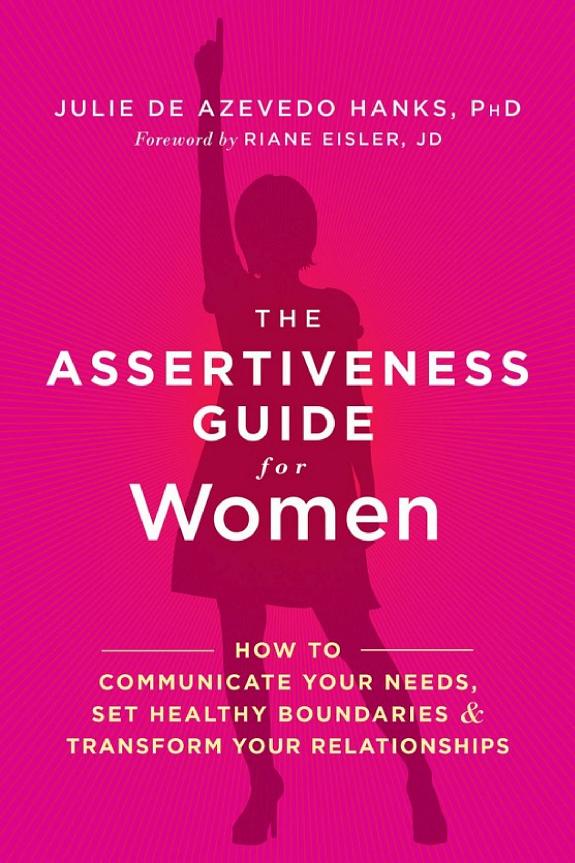
The Assertiveness Guide for Women: How to Communicate Your Needs, Set Healthy Boundaries, and Transform Your Relationships
1. The Assertiveness Guide for Women by Julie de Azevedo Hanks
Julie de Azevedo Hanks is a therapist, and it shows in the best way. This book does not just tell you to speak up. It actually takes the time to explain why so many women struggle to do that in the first place. Hanks traces the roots of poor assertiveness back to attachment styles and early relational patterns, which makes the whole thing feel less like a self-help checklist and more like a genuine conversation with someone who understands the deeper wiring behind people-pleasing behavior.
The writing is warm and accessible without being dumbed down. Hanks walks readers through the difference between passive, aggressive, and assertive communication in ways that are genuinely clarifying, and she includes practical exercises throughout. You will likely recognize yourself in more than a few of the examples she gives, which is both uncomfortable and oddly reassuring.
This is not a book that will fix everything overnight. Hanks is realistic about that. But it gives you a framework for understanding your own patterns, which is usually the necessary first step before anything actually changes. The clinical grounding sets it apart from more surface-level assertiveness guides.
Understanding why you shrink is just as important as learning how to stop. Hanks makes a strong case that assertiveness is not a personality trait you either have or do not. It is a skill, and skills can be learned.
This is perfect for women who want a therapist-informed, psychologically grounded approach to assertiveness and who are interested in understanding the emotional roots of their boundary struggles, not just the surface behaviors.
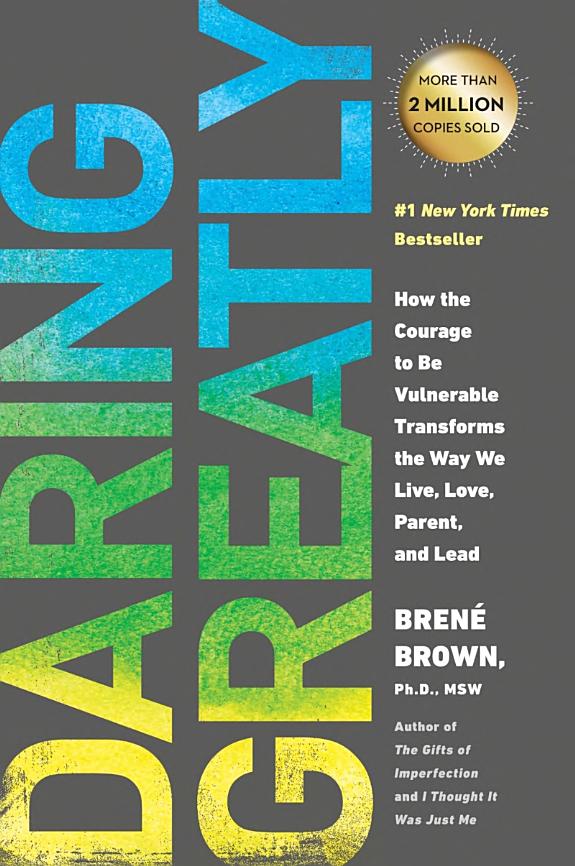
Daring Greatly
2. Daring Greatly by Brené Brown
Brené Brown is one of those writers who manages to take research and make it feel personal. Daring Greatly is built around her years of studying vulnerability and shame, and while it is not a boundaries book in the traditional sense, it belongs on this list because it tackles the thing that makes boundary-setting so hard in the first place: the fear of being judged, rejected, or seen as too much. You cannot really hold a boundary with confidence until you understand why letting it go felt safer.
Brown’s central argument is that vulnerability is not weakness. It is actually the foundation of genuine connection, creativity, and courage. For women who have spent years making themselves smaller to avoid conflict or disapproval, this reframe can be quietly significant. The book is full of research-backed insights delivered in a conversational, story-driven style that makes it easy to read in long stretches.
It is worth noting that this is not a how-to manual. Brown is not going to give you a script for telling your mother-in-law to back off. If you are looking for concrete boundary-setting tools, you will need to pair this with something more tactical. But as a foundation for understanding shame, worthiness, and the courage it takes to show up honestly, it is hard to beat.
Brown’s work is a reminder that boundaries are ultimately an act of self-respect, and self-respect requires believing you are worth protecting in the first place.
This is perfect for women who struggle with shame and fear of judgment, and who want to understand the emotional underpinnings of why being vulnerable and honest feels so threatening before they tackle the practical work of setting limits.
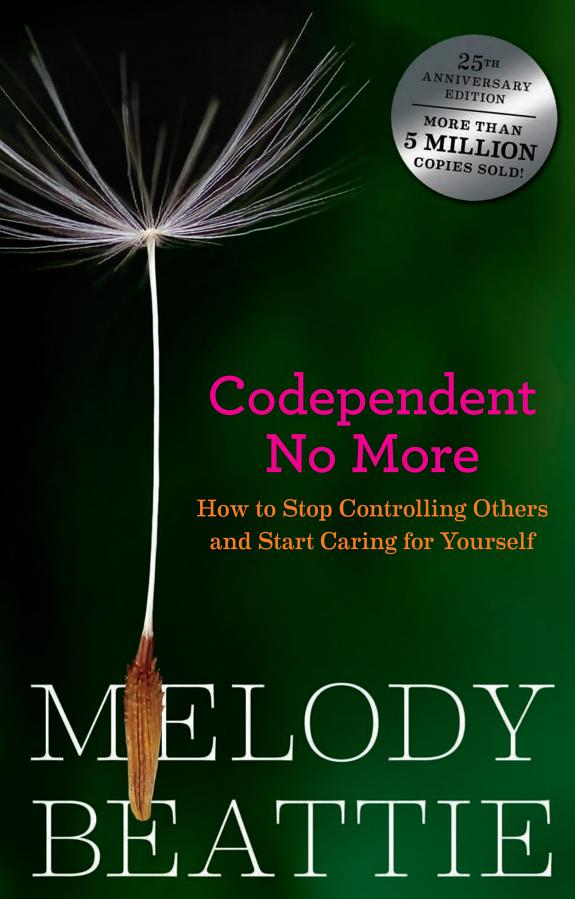
Codependent No More: How to Stop Controlling Others and Start Caring for Yourself
3. Codependent No More by Melody Beattie
Published in 1986, this book has sold millions of copies for a reason. Melody Beattie wrote it out of her own experience with codependency, and that personal honesty gives it a texture that more clinical books sometimes lack. If you have ever found yourself so focused on managing someone else’s feelings or problems that you lost track of your own, this book will feel uncomfortably familiar in the best possible way.
Beattie defines codependency broadly, which is both a strength and a potential criticism. Some readers find the definition so wide that almost anyone could qualify. But for women who genuinely organize their lives around other people’s moods, needs, or approval, the recognition that comes from reading this book can be a significant turning point. She writes with compassion rather than judgment, which matters when you are reading about patterns that are often rooted in real pain.
The book is older, and some of the language and framing reflects that. A few sections feel dated, and the recovery framework is influenced by twelve-step thinking, which will resonate with some readers and feel less relevant to others. But the core insights about detachment, self-care, and learning to let other people be responsible for their own lives remain as useful as ever.
Beattie makes a point that still lands decades later: taking care of yourself is not selfish. Losing yourself entirely in the service of others is not love. It is codependency, and it helps no one in the end.
This is perfect for women who recognize themselves in patterns of over-giving, caretaking, or emotional enmeshment, especially those who have lived alongside addiction, chronic illness, or high-conflict relationships.
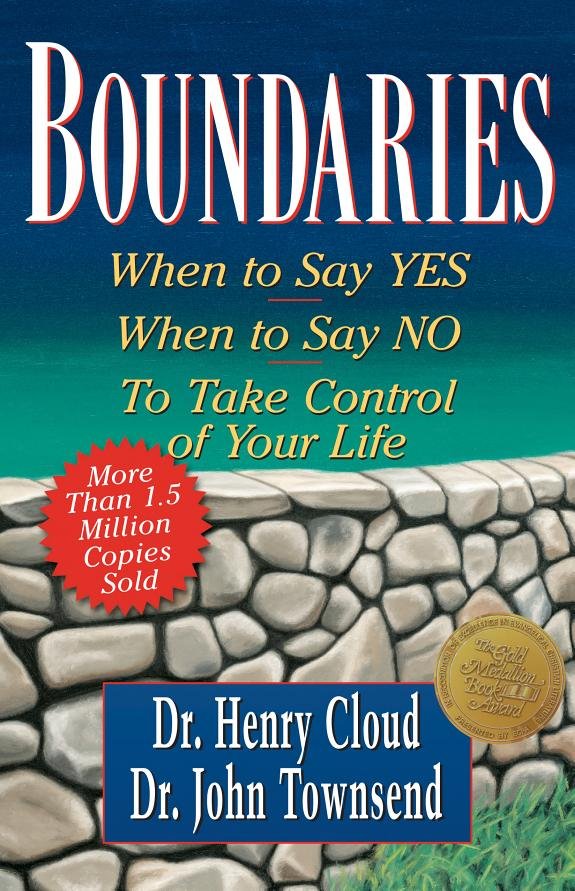
Boundaries: When to Say Yes, How to Say No to Take Control of Your Life
4. Boundaries: When to Say Yes, How to Say No to Take Control of Your Life by Henry Cloud and John Townsend
This is one of the most widely read books on boundaries ever written, and it has been guiding people through the subject for over thirty years. Cloud and Townsend are both psychologists writing from a Christian perspective, and that faith framework is woven throughout the book. For readers who share that worldview, it adds a layer of meaning and authority. For readers who do not, it is worth knowing upfront so you can decide whether it is a fit for you.
What makes this book genuinely useful regardless of background is the clarity of its core concepts. The authors break down what boundaries actually are, why people resist setting them, and what the consequences of boundarylessness look like across different areas of life, including work, family, friendships, and romantic relationships. The examples are specific and recognizable, and the writing does not talk down to the reader.
The book is thorough to the point of being long, and some readers find certain sections repetitive. But if you are someone who needs to understand the reasoning behind something before you can commit to changing it, the depth here is actually an asset. Cloud and Townsend do not just tell you that boundaries are healthy. They walk you through why, with enough detail that it sticks.
The authors draw a clear and useful distinction between what you are responsible for and what you are not. That line, once you really see it, changes a lot of relationships.
This is perfect for women who want a comprehensive, well-structured guide to boundaries across all areas of life, particularly those who are open to or interested in a faith-informed perspective on personal responsibility and relationships.
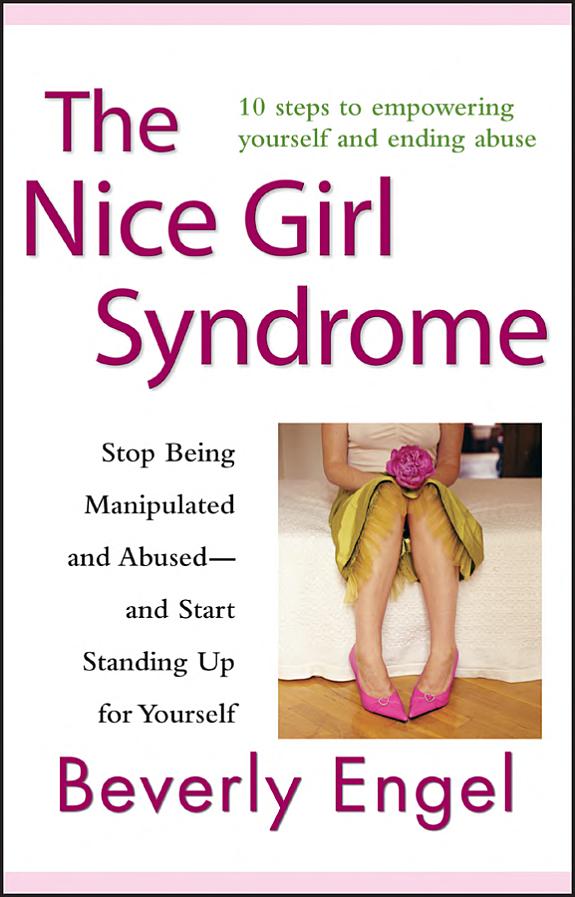
The Nice Girl Syndrome: Stop Being Manipulated and Abused — and Start Standing Up for Yourself
5. The Nice Girl Syndrome by Beverly Engel
Beverly Engel has spent decades as a therapist working with women who have experienced manipulation and abuse, and that experience shapes every page of this book. The Nice Girl Syndrome is specifically aimed at women who have been socialized to be agreeable, accommodating, and self-effacing to the point where they become easy targets for people who take advantage of those qualities. It is a more direct book than some on this list, and it does not soften its message much.
Engel identifies several “nice girl” types and explains how each pattern develops, usually rooted in childhood experiences and cultural messaging about how women are supposed to behave. She then offers concrete strategies for breaking those patterns, including how to recognize manipulative behavior, how to respond to it, and how to rebuild a stronger sense of self. The book is practical and specific in ways that feel immediately applicable.
Some readers may find the tone a bit clinical in places, or feel that the “types” framework oversimplifies complex personalities. And if you have not experienced outright manipulation or abuse, parts of the book may feel more intense than your situation calls for. But for women who have repeatedly found themselves in relationships where their kindness was used against them, this book offers something valuable: permission to stop being quite so accommodating, and tools for actually doing it.
Engel makes the uncomfortable argument that niceness without self-respect is not a virtue. It is a vulnerability, and recognizing that distinction is the first step toward something more honest.
This is perfect for women who have experienced manipulation, emotional abuse, or chronic people-pleasing in relationships and who want a therapist-guided framework for recognizing those patterns and building genuine self-protection.
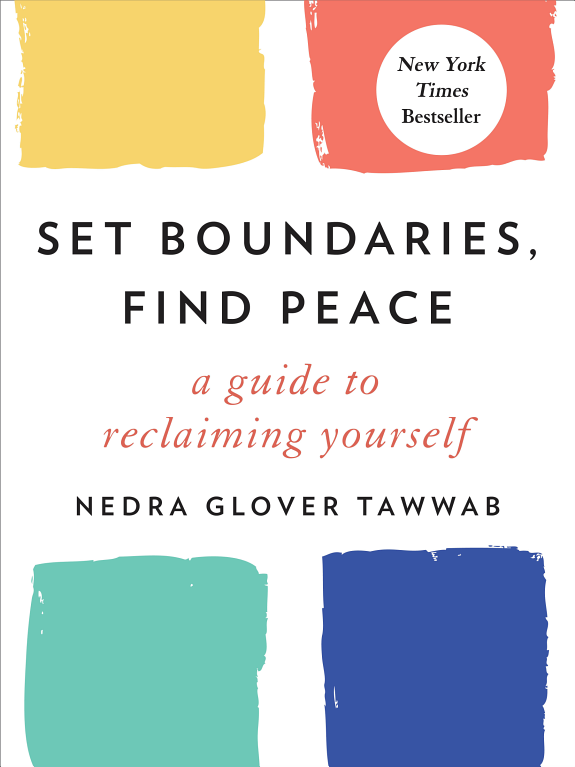
Set Boundaries, Find Peace: A Guide to Reclaiming Yourself
6. Set Boundaries, Find Peace by Nedra Glover Tawwab
Nedra Glover Tawwab is a therapist who built a significant following on social media by posting clear, no-nonsense content about boundaries and mental health. This book is the natural extension of that work, and it carries the same quality: it is direct, readable, and genuinely useful without being preachy. If you have ever wanted a therapist to just tell you plainly what a healthy boundary looks like and how to hold it, this is close to that experience.
Tawwab organizes the book around different areas of life, including family, romantic relationships, friendships, and the workplace, which makes it easy to navigate toward whatever is most pressing for you. She is also refreshingly honest about the fact that setting boundaries often makes things uncomfortable before it makes them better, and she prepares readers for the pushback that tends to come when you start changing long-established patterns.
The book is not deeply theoretical. If you are looking for extensive psychological background or research citations, this is not that. It is practical and accessible, which is exactly what a lot of people need. Tawwab writes with the kind of calm authority that makes you feel like change is actually possible, not just aspirational. That tone is harder to pull off than it looks.
One of Tawwab’s most useful points is that boundaries are not punishments for other people. They are decisions about what you are willing to engage with. That reframe alone is worth the read.
This is perfect for women who want a clear, practical, and therapist-written guide to setting limits in specific relationships and situations, especially those who prefer accessible language over dense psychological theory.
Where to Draw the Line: How to Set Healthy Boundaries Every Day
7. Where to Draw the Line by Anne Katherine
Anne Katherine wrote an earlier book called Boundaries: Where You End and I Begin, which became something of a quiet classic. This follow-up is more situational, working through the specific boundary challenges that come up in everyday life, from how much to share with a coworker to how to handle a friend who consistently takes more than she gives. It is a grounded, practical book that treats the reader as someone navigating real, complicated human situations rather than a student in a seminar.
What sets this book apart is its specificity. Rather than staying at the level of principles, Katherine gets into the details of particular scenarios and what healthy responses to them might look like. That granularity is useful for people who understand the concept of boundaries intellectually but freeze up when they have to apply it to an actual situation with an actual person standing in front of them. Katherine seems to understand that gap and writes directly to it.
The writing style is calm and methodical, which some readers will find reassuring and others may find a little dry. This is not the most exciting book on the list, and it will not give you a cathartic reading experience. But if you are the kind of person who learns best through examples and wants a reference you can return to when specific situations arise, it earns its place on the shelf.
Katherine’s approach is less about grand self-discovery and more about the quiet daily practice of noticing when something feels wrong and having the language to respond to it. That kind of steady, practical wisdom is underrated.
This is perfect for women who already understand the basics of boundary work but need help applying those concepts to specific, everyday situations, and who appreciate a calm, example-driven approach over emotional or motivational writing.
Not Nice: Stop People Pleasing, Staying Silent, & Feeling Guilty… And Start Speaking Up, Saying No, Asking Boldly, And Unapologetically Being Yourself
8. Not Nice by Aziz Gazipura
The title is a little provocative, which is probably intentional. Aziz Gazipura, a psychologist who specializes in social confidence, makes a sustained argument that the compulsive niceness many of us mistake for kindness is actually a form of self-abandonment. He is talking about the kind of nice that involves saying what people want to hear, avoiding conflict at all costs, and performing agreeableness as a strategy for staying safe. That kind of nice, he argues, is worth giving up.
It is worth noting that this book was written by a man and is addressed to a general audience rather than specifically to women. Some of the examples and framing reflect that, and a few female readers have noted that the gendered dimensions of people-pleasing could have been explored more deeply. That is a fair point. But the core content about breaking free from approval-seeking and learning to speak honestly is relevant regardless, and Gazipura writes with enough energy and conviction to keep things moving.
The book is longer than it needs to be in places, and the tone occasionally tips from confident into slightly self-congratulatory. But the central message is one that many women who have spent years being relentlessly accommodating will find both confronting and clarifying. It asks you to consider whether your niceness is serving you or just protecting you from discomfort you might actually need to face.
Gazipura draws a line between genuine kindness, which comes from a place of security and choice, and compulsive niceness, which comes from fear. That distinction is more useful than it might initially seem.
This is perfect for women who recognize a deep pattern of approval-seeking and conflict avoidance and want a direct, psychologically grounded challenge to those habits, and who are not put off by a slightly bold, no-nonsense writing style.
None of these books are going to do the work for you, which is probably something you already know. But they can give you language for things you have been feeling without words, frameworks for patterns you have been living without names, and enough perspective to start making different choices. That is not nothing. That is actually quite a lot.
You do not have to read all eight. Pick the one that sounds most like where you are right now, and start there. The goal is not to become someone who never accommodates anyone or who treats every social interaction as a boundary negotiation. The goal is to stop disappearing. These books, in their different ways, all point toward the same thing: a life where your needs count too, and where saying so out loud does not feel like a betrayal of everyone you love.