
8 Books to Help You Build a Strong Sense of Identity
There is something quietly unsettling about realizing you have been living by someone else’s script. Maybe it crept up on you slowly, or maybe one ordinary Tuesday it just landed with full weight. Either way, the question of who you actually are, underneath all the roles and expectations and carefully maintained personas, is one of the most honest questions a person can sit with.
Books have a peculiar way of holding up a mirror. Not always a flattering one, but a useful one. The eight books gathered here approach identity from different angles, through psychology, memoir, habit science, personality frameworks, and lived experience. Some will resonate immediately. Others might take a few chapters to warm up to. But each one offers something real: a way of thinking about yourself that feels less like a self-help checklist and more like a genuine conversation.
These are not quick fixes or motivational pep talks. They are invitations to slow down and look more carefully at the person doing all the living.
The Gifts of Imperfection
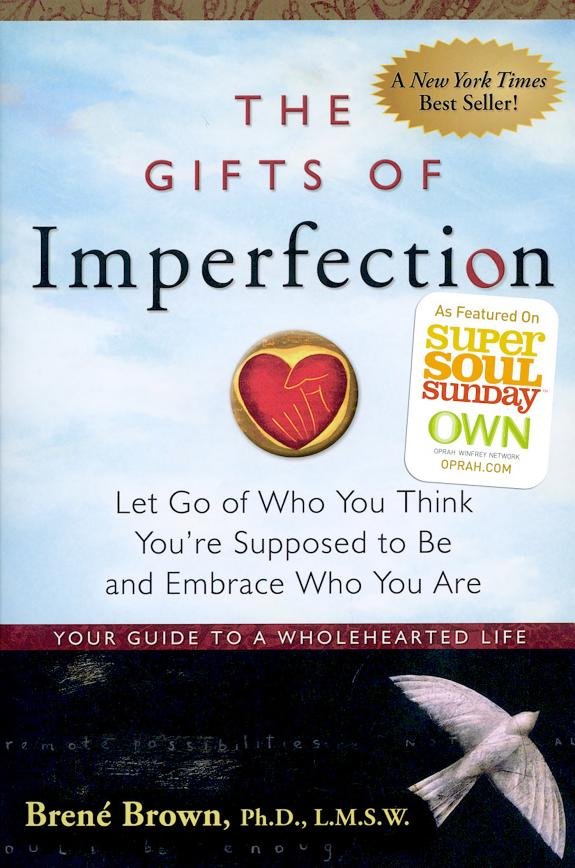
1. The Gifts of Imperfection by Brené Brown
Brené Brown spent years as a shame researcher before she became a household name, and that background shows in every page of this book. Her writing has the warmth of someone who has genuinely wrestled with the material, not just studied it from a safe academic distance. The central argument is deceptively simple: that wholehearted living requires letting go of who you think you should be and embracing who you actually are. Simple to say. Considerably harder to do.
What Brown does well here is ground abstract concepts in ordinary life. She talks about perfectionism not as ambition gone sideways but as a kind of armor, a way of avoiding the vulnerability that comes with being truly seen. The book is organized around what she calls guideposts, practices like cultivating gratitude, play, and rest, all of which sound gentle until you realize how many people treat them as luxuries they have not yet earned.
This is not a book for people who want data-heavy arguments or academic rigor. Brown writes with a conversational ease that some readers find refreshing and others find a little too breezy. If you tend to roll your eyes at phrases like “showing up authentically,” you may find yourself doing that here more than once. That said, the core ideas are worth the occasional eye roll.
“Owning our story and loving ourselves through that process is the bravest thing that we will ever do.” The simplicity of that sentence is either exactly what you need to hear or exactly what makes you distrust it. Often it is both at once.
This is perfect for people who suspect they have been living by external standards for so long they have lost track of their own, and who want a gentle but honest starting point for changing that.
Daring Greatly
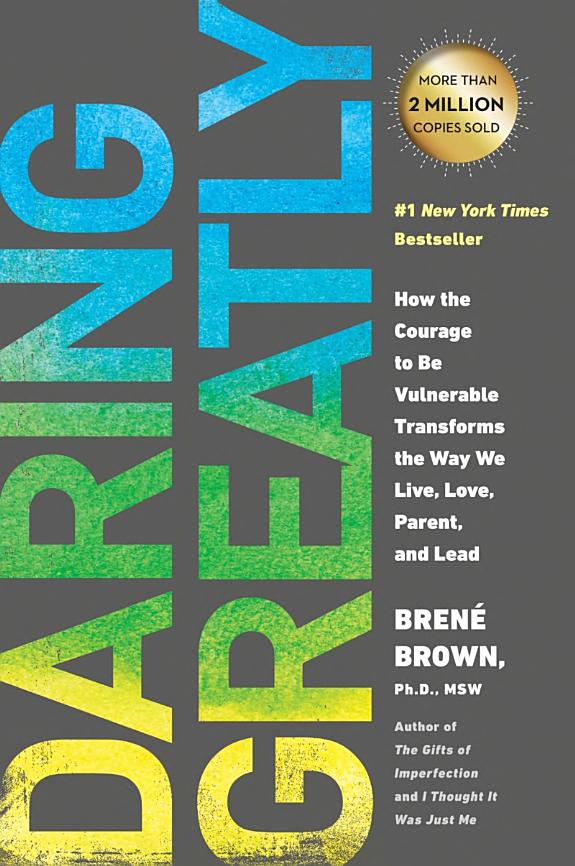
2. Daring Greatly by Brené Brown
If “The Gifts of Imperfection” is about permission, “Daring Greatly” is about courage. Brown builds this book around a single idea borrowed from a Theodore Roosevelt speech: that it is the person in the arena, face covered in dust and sweat and blood, who matters, not the critics watching from the stands. Vulnerability, she argues, is not weakness. It is the willingness to show up when you cannot control the outcome, and that willingness is where identity gets forged.
Brown’s research on shame is woven throughout, and this is where the book earns its weight. She distinguishes carefully between shame and guilt, between “I am bad” and “I did something bad,” and explains why that distinction matters enormously for how we see ourselves. The sections on how shame shows up differently for men and women are particularly worth reading slowly. They have the quality of something that makes you think, oh, so it is not just me.
The later chapters move into territory about families, schools, and workplaces, which is useful but occasionally feels like it belongs in a different book. Readers who came for the personal identity material may find themselves skimming the organizational culture sections. That is a minor complaint about a book that otherwise delivers something genuinely thoughtful.
Vulnerability is not about winning or losing. It is having the courage to show up when you cannot predict or control the outcome. For anyone who has been building walls instead of a self, that reframe is worth the price of admission.
This is perfect for anyone who has been playing it safe for so long that safety itself has started to feel like a kind of trap, and who wants to understand the role vulnerability plays in becoming a fuller version of themselves.
Man’s Search for Meaning
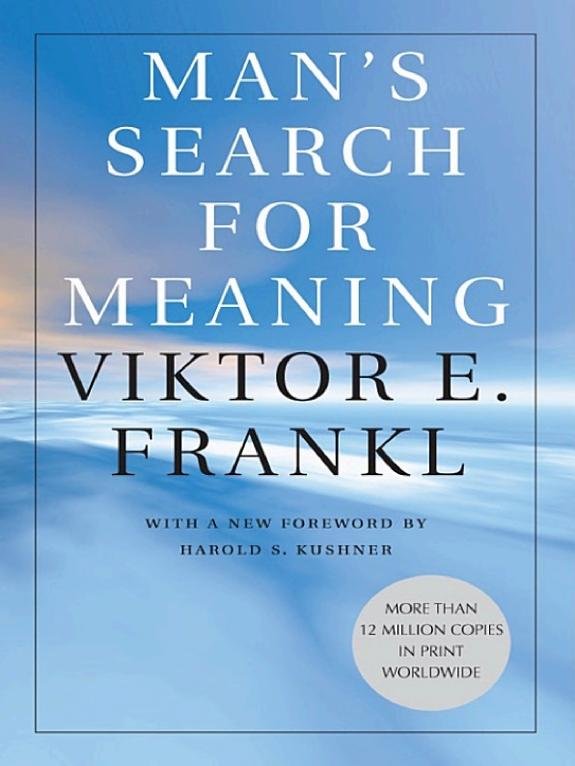
3. Man’s Search for Meaning by Viktor E. Frankl
Viktor Frankl was a psychiatrist and Holocaust survivor who developed his theory of logotherapy, which centers on the idea that the primary human drive is not pleasure or power but meaning, partly while he was imprisoned in Nazi concentration camps. That context matters. This is not a book written from comfort. It is a book written from the far edge of human experience, and it carries that weight without ever becoming unbearable to read.
The first half of the book is memoir, a spare and careful account of life in the camps and the psychological observations Frankl made during those years. The second half introduces logotherapy in more formal terms. The memoir section is the one that stays with you. Frankl’s central observation, that the last of human freedoms is the ability to choose one’s attitude in any given set of circumstances, sounds like a fortune cookie until you consider where he arrived at it.
This is not a light read, and it is not meant to be. Readers looking for practical exercises or step-by-step frameworks will not find them here. What they will find is a profound argument that identity is not something handed to you by your circumstances but something you construct through the meaning you assign to your life. At under two hundred pages, it asks very little of your time and quite a lot of everything else.
“Everything can be taken from a man but one thing: the last of the human freedoms, to choose one’s attitude in any given set of circumstances, to choose one’s own way.” Few sentences in any book carry this much earned authority.
This is perfect for readers going through a period of serious questioning, loss, or transition, who want a philosophical anchor rather than cheerful reassurance.
The Road Back to You
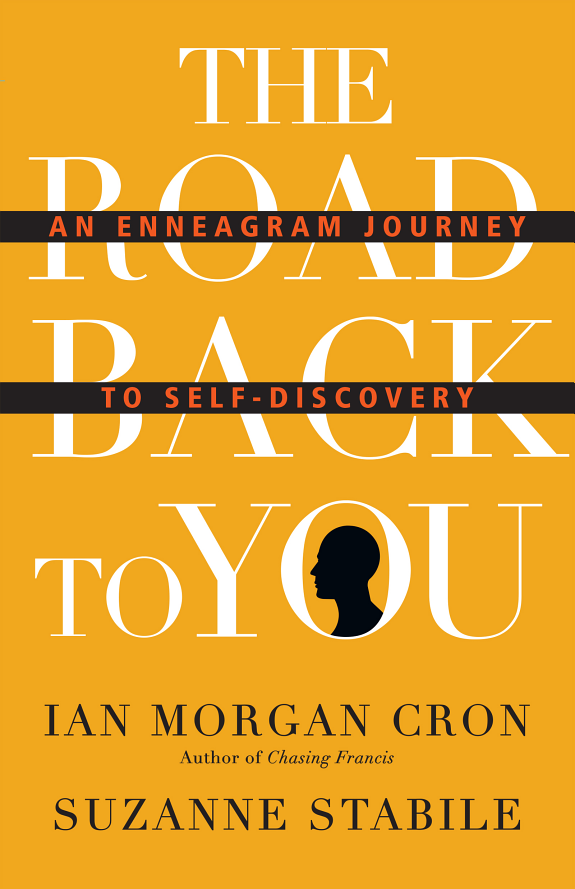
4. The Road Back to You by Ian Morgan Cron and Suzanne Stabile
The Enneagram has been around for decades, but Ian Morgan Cron and Suzanne Stabile wrote what is widely considered the most accessible introduction to it, and accessibility is genuinely hard to pull off with a system this layered. The Enneagram is a personality framework built around nine distinct types, each with its own core motivations, fears, and patterns of behavior. Unlike some personality systems that describe what you do, the Enneagram spends most of its energy on why you do it, which makes it feel considerably more useful for identity work.
Cron brings a warm, slightly self-deprecating voice to the material, and Stabile brings decades of teaching experience. The result is a book that manages to be both informative and entertaining. Each chapter devoted to a type is written with genuine empathy, including an honest account of how each type looks at its worst, which takes a certain amount of nerve. Most personality books spend most of their time flattering you. This one is willing to say the uncomfortable thing.
The Enneagram is not a science, and the authors do not pretend otherwise. Skeptics of personality typing will find plenty to push back on, and the spiritual underpinnings of the system are not everyone’s cup of tea. The book also works best if you go in with some patience, because identifying your type can take time and a willingness to sit with discomfort rather than reaching for the most flattering option.
The Enneagram’s real gift is not telling you who you are. It is showing you the particular way you have learned to hide from yourself. That is a more interesting and more useful piece of information.
This is perfect for curious, introspective readers who want a framework for understanding their own patterns and motivations, and who are open to a personality system with some spiritual texture to it.
Atomic Habits
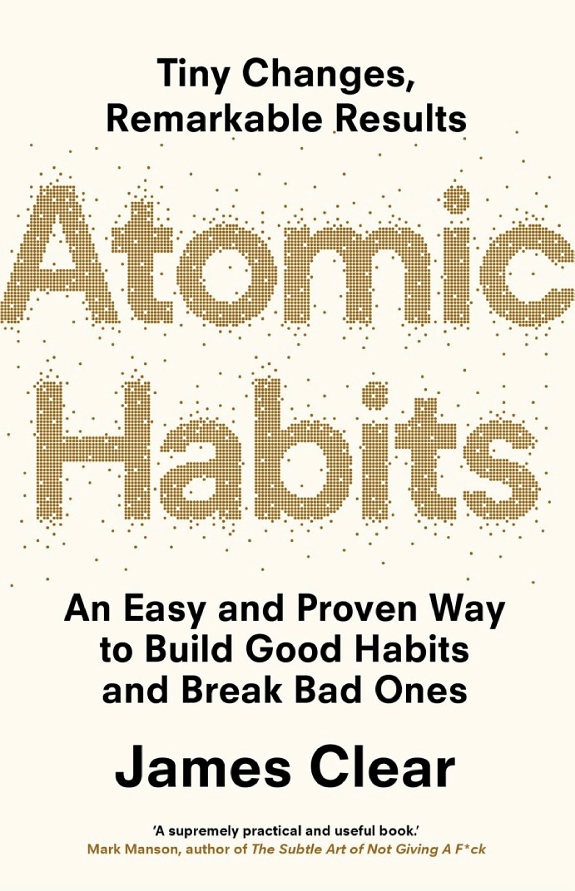
5. Atomic Habits by James Clear
You might wonder what a book about habits is doing in a list about identity. James Clear answers that question early and answers it well: every action you take is a vote for the type of person you wish to become. Identity, in Clear’s framework, is not something you discover so much as something you build, one small repeated choice at a time. That is a less romantic idea than some of the other books here offer, but it is a genuinely useful one.
Clear writes with precision and clarity, which is appropriate given his name and also not a coincidence he would let slide without a joke. The book is built around the idea of systems over goals, arguing that the person who focuses on the process of becoming a reader rather than the goal of reading twelve books a year is more likely to actually end up as someone who reads. The identity piece is threaded throughout: habits are not just things you do, they are statements about who you are.
Where the book has limits is in its emotional depth. Clear is excellent on behavior and systems, but he does not spend much time on the internal work of understanding why certain habits feel impossible or why self-sabotage shows up so reliably. Readers who need to do that deeper excavation first will find this book more useful after some of the other titles on this list. For people who have done the inner work and want practical traction, it is hard to beat.
“Every action you take is a vote for the type of person you wish to become.” It sounds almost too tidy, but sit with it for a day or two and it starts to change how you look at small decisions.
This is perfect for readers who have a reasonably clear sense of who they want to be and are looking for a practical, evidence-informed approach to actually becoming that person through daily behavior.
Becoming
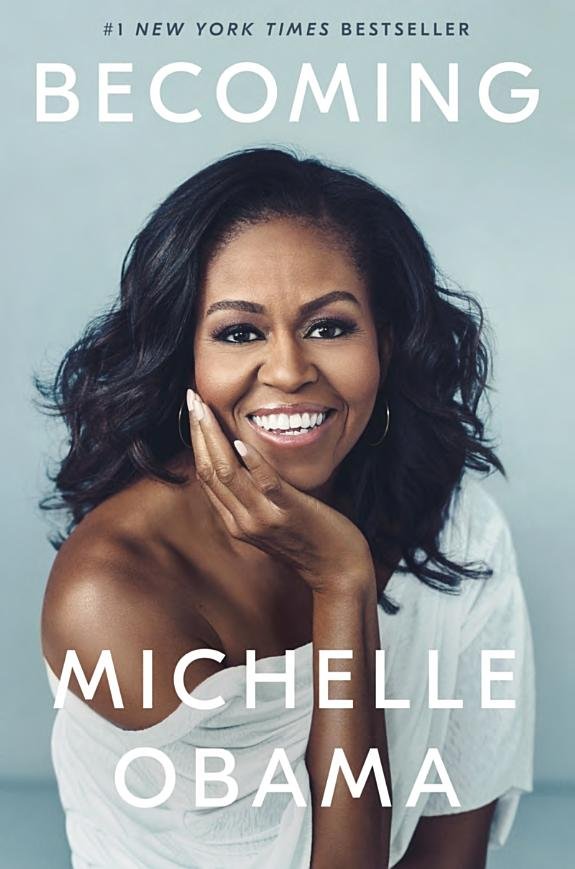
6. Becoming by Michelle Obama
Michelle Obama’s memoir is one of those books that is easy to underestimate before you read it and hard to forget after. The title is doing real work here. “Becoming” is not a triumphant past tense. It is a present participle, ongoing, unfinished, still in motion. Obama writes about her life not as a series of achievements to be catalogued but as a process of figuring out who she is on her own terms, which turns out to be a considerably more complicated project when the entire world has opinions about it.
She writes about growing up on the South Side of Chicago with a specificity and warmth that makes those early chapters feel lived-in rather than performed. The sections about her marriage, her career ambivalence, and the particular pressures of being the first Black First Lady are candid in ways that feel earned rather than calculated. Obama is not trying to be relatable. She is just being honest, and the two things happen to overlap.
This is a long book, and some sections move more slowly than others. Readers who are not particularly interested in political history or White House logistics may find the middle chapters require more patience. But the through-line about identity, about the ongoing work of becoming the person you actually want to be rather than the person circumstances have shaped you into, is present on nearly every page.
Obama’s central question throughout the book is not “who am I?” but “who do I want to be?” The distinction is small and the difference is everything.
This is perfect for readers who want a deeply personal, beautifully written account of identity formation from someone who had to do that work under extraordinary public scrutiny, and who appreciate memoir that earns its emotional moments.
Educated
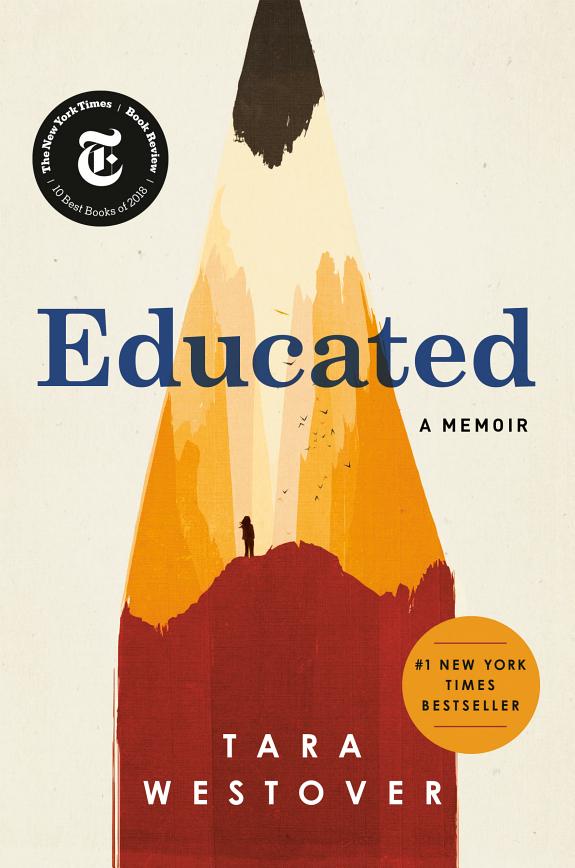
7. Educated by Tara Westover
Tara Westover grew up in rural Idaho in a survivalist family that did not believe in formal education, doctors, or most of what the rest of the world would call reality. She did not set foot in a classroom until she was seventeen. By her early thirties she had a PhD from Cambridge. “Educated” is the story of what happened in between, and it is one of the most gripping accounts of identity formation you are likely to read, precisely because the stakes of getting it wrong were so high.
What makes this memoir remarkable is Westover’s honesty about the cost of becoming herself. Gaining an education and a sense of self meant losing her family, or at least the version of her family that required her to stay small and unquestioning. She does not dramatize this for effect. She writes about it with a careful, almost clinical precision that makes it more affecting, not less. The reader feels the weight of every step she takes away from the world she was born into.
This is not a comfortable book. Westover describes abuse, manipulation, and psychological control with a directness that some readers will find difficult. It is also not a book that offers easy resolution. The ending is honest rather than tidy, which is exactly right for a book about the ongoing, sometimes painful work of knowing yourself. Readers who want uplift and closure may find it frustrating. Readers who want truth will find it extraordinary.
“You could call it the process of making myself,” Westover writes. What she does not say, but what the book makes clear, is that making yourself sometimes means unmaking everything you were told you were first.
This is perfect for readers who have had to construct an identity in opposition to their upbringing, or who want a memoir that takes the question of self-knowledge seriously enough to show all the damage it can cost.
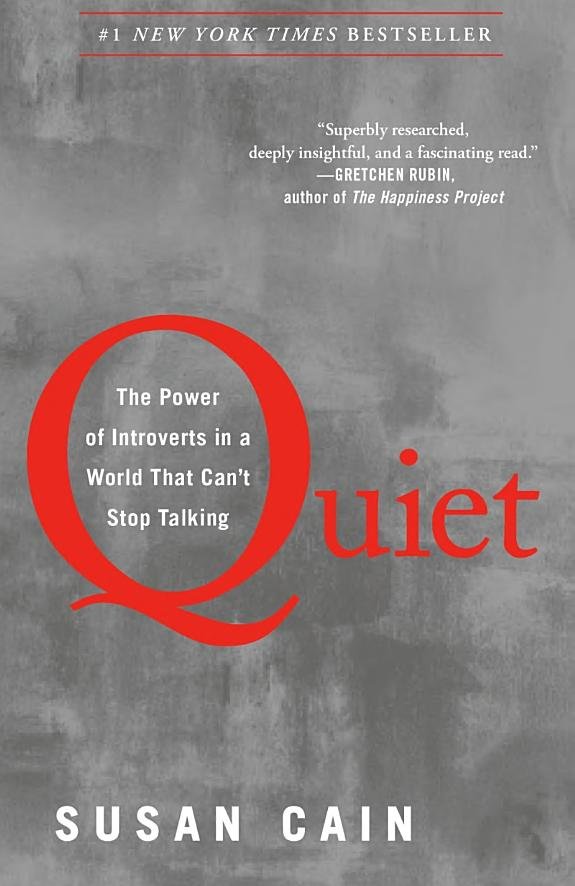
Quiet: The Power of Introverts in a World That Can’t Stop Talking
8. Quiet: The Power of Introverts in a World That Can’t Stop Talking by Susan Cain
Susan Cain’s book arrived at a particular cultural moment and named something a lot of people had been quietly carrying around without a good word for it. “Quiet” is a thorough, well-researched examination of introversion, what it actually is, how it differs from shyness, and why a culture that prizes extroversion as the default setting for success has been missing something important. For introverts who have spent years wondering if something is wrong with them, reading this book can feel like finally being handed a permission slip.
Cain draws on psychology, neuroscience, and history, and she writes with a journalist’s instinct for the right story at the right moment. The book moves between research findings and individual portraits in a way that keeps it from ever feeling like a textbook. Her account of the rise of the extrovert ideal, traced partly through the history of American business culture, is one of the more interesting pieces of cultural analysis in recent popular nonfiction.
The book is most useful for introverts who have internalized the message that their natural way of moving through the world is a deficiency to be corrected. It is less useful, and less interesting, if you are already comfortable with introversion or if you are an extrovert trying to understand yourself. Cain is honest that the book is not a balanced treatment of both personality types. It is an argument for a perspective that has been underrepresented, and it makes that argument well.
Cain makes the case that introversion is not a personality quirk to be managed but a genuine orientation toward the world, one with its own strengths, its own needs, and its own contribution to make. Knowing that is not a small thing.
This is perfect for introverts who have spent years feeling like they are doing something wrong, and for anyone who wants to understand how personality shapes identity in ways that go deeper than simple preference.
Identity is not a destination you arrive at and then stop thinking about. It is more like a conversation you keep returning to, one that changes as you change, that asks different questions at different points in your life. The books on this list reflect that. Some are philosophical, some are practical, some are raw personal accounts of what it actually costs to figure out who you are. None of them have all the answers, and none of them pretend to.
The best thing any of these books can do is give you better questions to carry around. A sharper sense of what you actually value versus what you have been told to value. A more honest look at the habits and patterns that are quietly shaping you. A little more patience with the ongoing, unfinished, sometimes uncomfortable work of becoming a person.
Pick the one that sounds most like what you need right now. That is usually the right place to start.