
8 Books for Anyone Who Feels Behind in Life
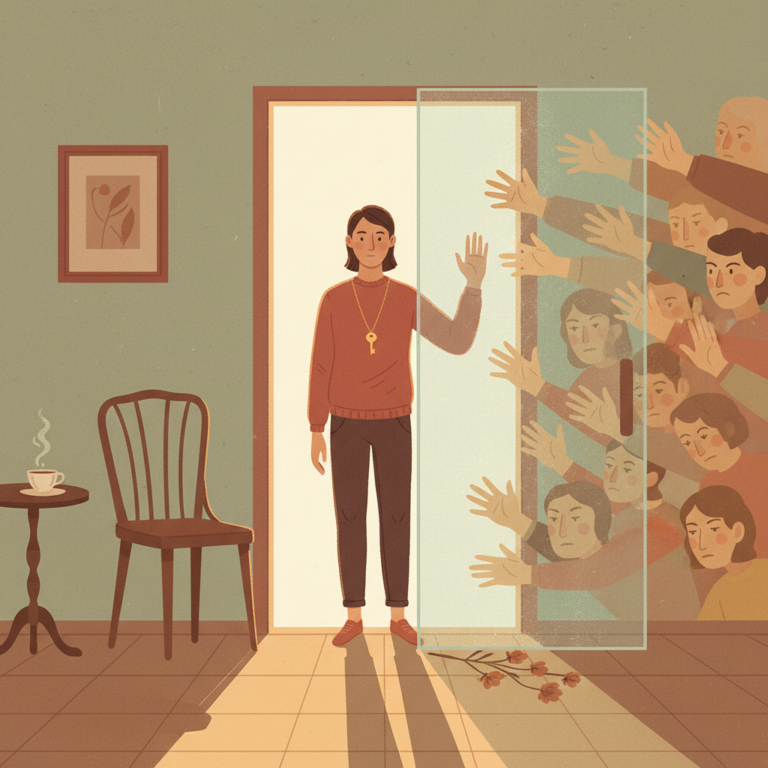
There is a particular kind of anxiety that arrives when you scroll through someone else’s highlight reel and realize you have not yet hit the milestones you thought you would. The promotion, the relationship, the finished novel sitting in a drawer, the general sense that you have figured things out. It is a strange, quiet dread, and it is remarkably common.
The good news is that a lot of very thoughtful people have written about this exact feeling, and not all of them with the relentless cheerfulness that makes you want to throw a book across the room. The eight books on this list take different approaches, from fiction to psychology to philosophy to one man basically daring you to stop complaining. Some will comfort you. Some will challenge you. A couple will do both at the same time, which is honestly the most useful thing a book can do.
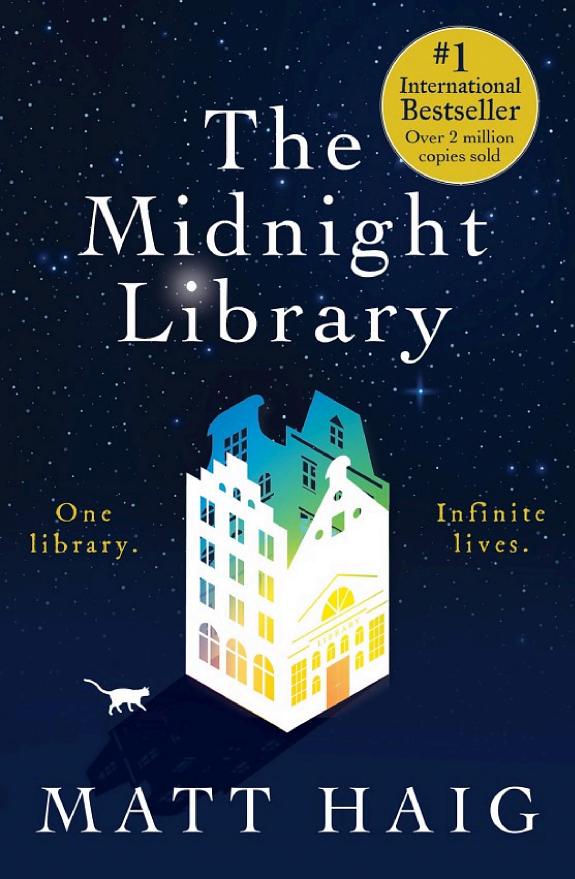
The Midnight Library
1. The Midnight Library by Matt Haig
Matt Haig has made a career out of writing about mental health and existential dread in ways that feel warm rather than clinical, and The Midnight Library is probably his most beloved example of that. The premise is deceptively simple: Nora Seed finds herself in a library between life and death, where every book represents a life she could have lived if she had made different choices. It sounds like a self-help concept dressed up in fiction, and in some ways it is, but Haig earns the emotion honestly.
What makes this novel work for anyone who feels behind is its central argument that the unlived life is always going to look shinier than the one you are actually in. Nora gets to peek at the versions of herself that became a professional swimmer, a rock star, a glaciologist in the Arctic. None of them are quite what she imagined. The grass is not greener so much as it is a different shade of complicated. Haig writes with genuine tenderness, and the book moves quickly enough that the philosophical weight never feels heavy-handed.
The prose is accessible rather than literary, which will either feel like a relief or a mild disappointment depending on your tastes. Haig is not trying to write the next great novel. He is trying to reach people who are hurting, and he largely succeeds. The emotional beats are occasionally predictable, but predictable is not always a flaw when the destination is genuinely worth arriving at.
“It is not the lives we regret not living that haunt us most. It is the story we tell ourselves about what those lives would have meant.”
This is perfect for readers who process big feelings through fiction, who are prone to “what if” spiraling, and who want something emotionally resonant without committing to a dense nonfiction read. It is not the right fit for people who find magical realism frustrating or who want concrete, practical advice.
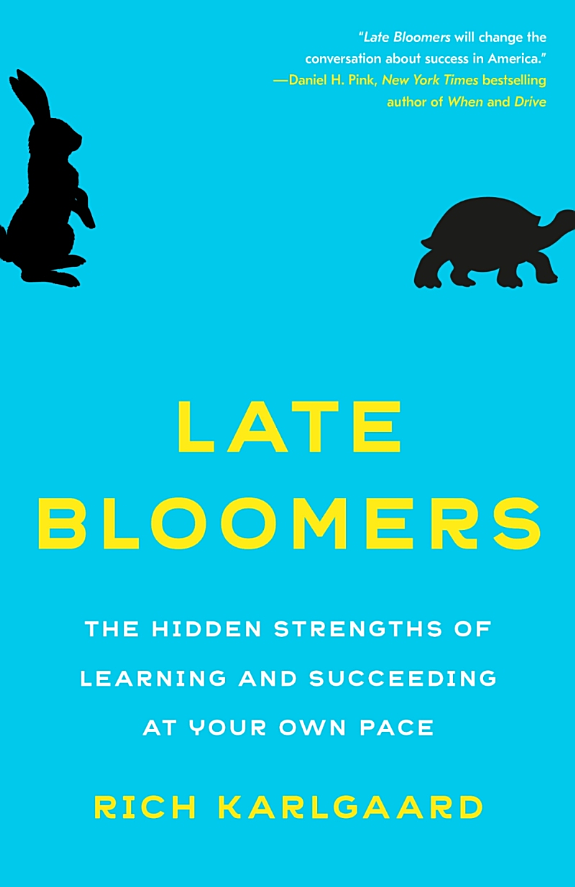
Late Bloomers: The Hidden Strengths of Learning and Succeeding at Your Own Pace
2. Late Bloomers: The Hidden Strengths of Learning and Succeeding at Your Own Pace by Rich Karlgaard
Rich Karlgaard opens this book by confessing that he was a directionless young man who graduated college with no real plan and spent his early twenties drifting through odd jobs. He eventually became the publisher of Forbes magazine. He is not telling you that story to brag. He is telling it because he spent years feeling like a failure before he found his footing, and he wants you to know that the timeline most of us have internalized, the one that says you should have your act together by twenty-five, is largely a cultural invention rather than a biological fact.
The book draws on neuroscience, psychology, and a collection of compelling case studies to argue that the brain continues developing well into the thirties and forties, and that many of the qualities that make someone genuinely effective, things like wisdom, empathy, and the ability to see the big picture, simply take time to develop. Karlgaard is a business writer at heart, so the book has a practical, journalistic feel. He is not asking you to meditate on your potential. He is presenting evidence and letting you draw conclusions.
Where the book occasionally stumbles is in its reliance on high-profile success stories, the kind of people who bloomed late but still bloomed into something publicly impressive. If you are not particularly interested in becoming a CEO or a celebrated entrepreneur, some of the examples may feel a little beside the point. But the underlying research is solid, and the core reassurance, that your timeline is not broken, just different, lands with genuine weight.
“Early achievement culture has convinced us that speed equals promise. But most of what makes a life meaningful cannot be rushed.”
This is perfect for anyone in their thirties, forties, or beyond who has been quietly comparing themselves to peers who seem further along, and for parents worried that a meandering young adult has somehow missed the boat. It is less suited to readers who find business-world success stories alienating or who are looking for something more introspective.
Range: Why Generalists Triumph in a Specialized World
3. Range: Why Generalists Triumph in a Specialized World by David Epstein
David Epstein starts with Tiger Woods, which feels like a strange choice until he immediately pivots to Roger Federer. Woods is the famous early-specializer, the child prodigy groomed from toddlerhood for one specific skill. Federer played multiple sports as a kid and came to tennis relatively late. Epstein uses this contrast to open a genuinely fascinating argument: that in most fields, the people who sample widely and commit late end up with more durable, adaptable success than those who specialize early. The book is a direct rebuttal to the ten-thousand-hours gospel, and it makes its case with a lot of well-chosen research.
For anyone who has felt behind because they spent their twenties trying different careers, different cities, or different identities rather than drilling down into one expertise, this book is going to feel like a long exhale. Epstein is not arguing that focus is bad. He is arguing that breadth of experience produces a kind of pattern recognition and creative problem-solving that narrow specialists often lack. The scientists who make unexpected breakthroughs, the inventors who connect dots across fields, the people who seem to come out of nowhere in their forties, they are often people who wandered first.
Epstein writes with the enthusiasm of someone who genuinely loves the research he is citing, which makes the book engaging even when it gets dense. A few chapters overstay their welcome, and the argument can feel slightly repetitive by the end. But the central insight is worth sitting with: that a winding path is not a detour. It might actually be the point.
“The challenge we all face is how to maintain the benefits of breadth, diverse experience, and interdisciplinary thinking while also achieving the depth needed to contribute something of value.”
This is perfect for career changers, multi-passionate people who have been told to just pick one thing, and anyone who felt like a late starter in their field. It is not ideal for readers who prefer narrative-driven nonfiction or who are looking for a straightforward how-to guide.
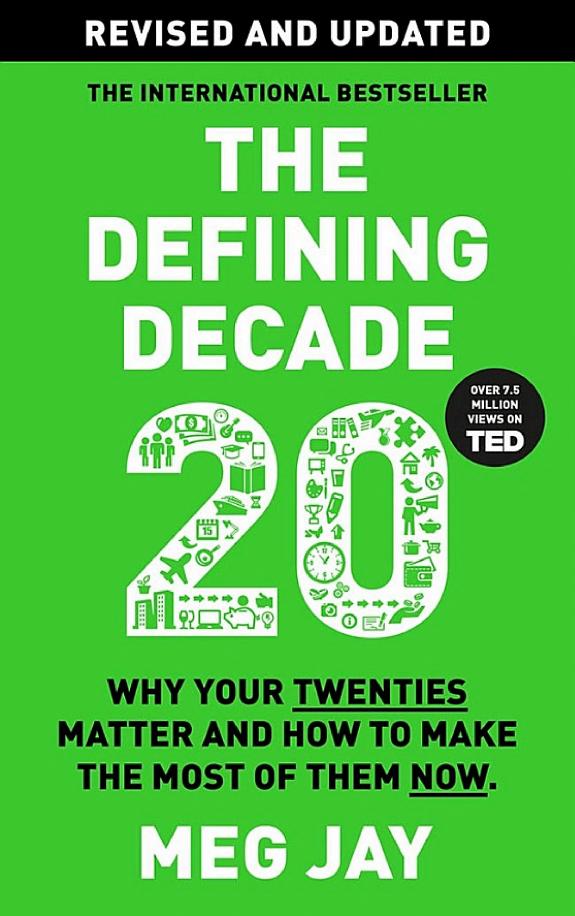
The Defining Decade: Why Your Twenties Matter—And How to Make the Most of Them Now
4. The Defining Decade: Why Your Twenties Matter and How to Make the Most of Them Now by Meg Jay
Meg Jay is a clinical psychologist who works primarily with young adults, and she is here to tell you, with genuine warmth and zero apology, that your twenties are not a practice run. This book sits a little differently on this list because rather than reassuring you that it is fine to be behind, Jay argues that some of the anxiety about falling behind is actually worth listening to. She is not cruel about it. But she is direct in a way that a lot of self-help writers are not willing to be.
The book is built around anonymized stories from Jay’s therapy practice, which gives it a grounded, human texture. She covers career identity, relationships, the brain development still happening in young adulthood, and the particular kind of paralysis that can come from feeling like you have infinite time. Her argument is not that you need to have everything figured out by thirty. It is that the choices you make in your twenties, even the ones that feel casual or temporary, tend to compound in ways you will not see coming.
Some readers find this book motivating. Others find it slightly anxiety-inducing, which is worth knowing before you pick it up. Jay is not trying to shame anyone, but she is also not in the business of telling you that everything will sort itself out if you just trust the process. If you are in your thirties or forties reading this, parts of it may sting a little. That is probably not the author’s fault so much as the nature of hindsight.
“The twenties are that critical period of adult development when the things we do, and the things we don’t do, will have an enormous impact on the rest of our lives.”
This is perfect for people in their twenties who feel stuck or directionless and need a thoughtful, research-backed nudge rather than empty encouragement. It is not the right book for someone already prone to anxiety about the future, or for anyone past their twenties who is looking for reassurance rather than retrospect.
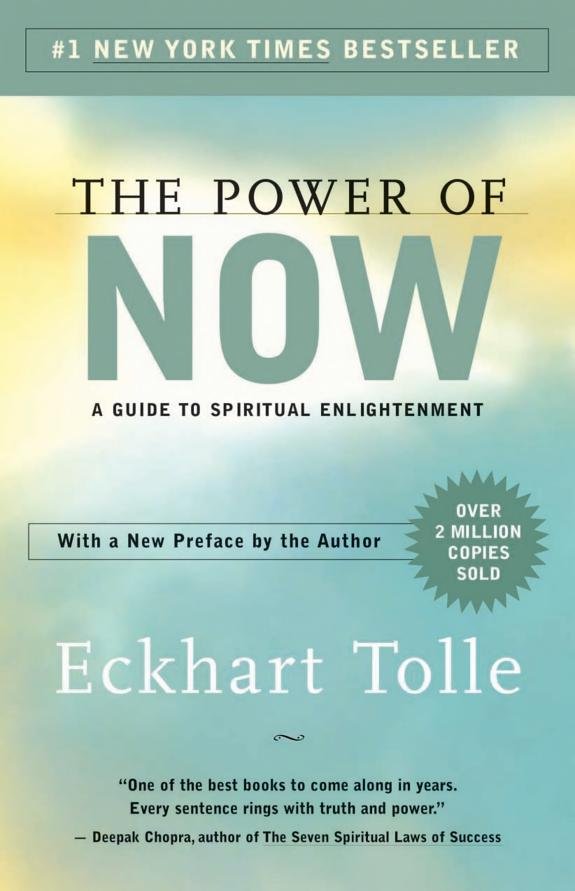
The Power of Now: A Guide to Spiritual Enlightenment
5. The Power of Now: A Guide to Spiritual Enlightenment by Eckhart Tolle
Here is the thing about Eckhart Tolle: he writes in a style that some people find immediately, deeply clarifying and others find so vague as to be almost meaningless. The Power of Now asks you to consider that most of your suffering comes not from your actual circumstances but from your mind’s habit of dragging you into the past or projecting you into the future. The feeling of being behind in life is, by Tolle’s framework, almost entirely a product of comparing a mental story about where you should be to a mental story about where you are. Neither story is the present moment. Neither story is real.
This is either a revelation or an eye-roll depending on where you are in life, and there is no shame in it being the latter. Tolle’s writing has a quality of patient repetition that can feel meditative or circular depending on your mood. He is not presenting an argument in the traditional sense. He is trying to shift something in the reader’s experience directly, which is an unusual thing for a book to attempt and occasionally it actually works.
What makes this relevant to the feeling of being behind is its core insistence that the timeline you are measuring yourself against exists only in your mind. The present moment does not contain failure or lateness. Those are interpretations, not facts. Whether you find that comforting or frustrating probably tells you something about whether this is the right book for you right now. It is not a book about doing more or doing better. It is a book about the possibility of being okay with where you already are.
“Realize deeply that the present moment is all you ever have. Make the Now the primary focus of your life.”
This is perfect for readers drawn to spiritual or contemplative perspectives, those exhausted by productivity culture, and anyone whose anxiety about the future has started to crowd out their actual present life. It is not a good fit for skeptics of spiritual language, readers who want concrete strategies, or anyone who finds abstract philosophical writing frustrating.
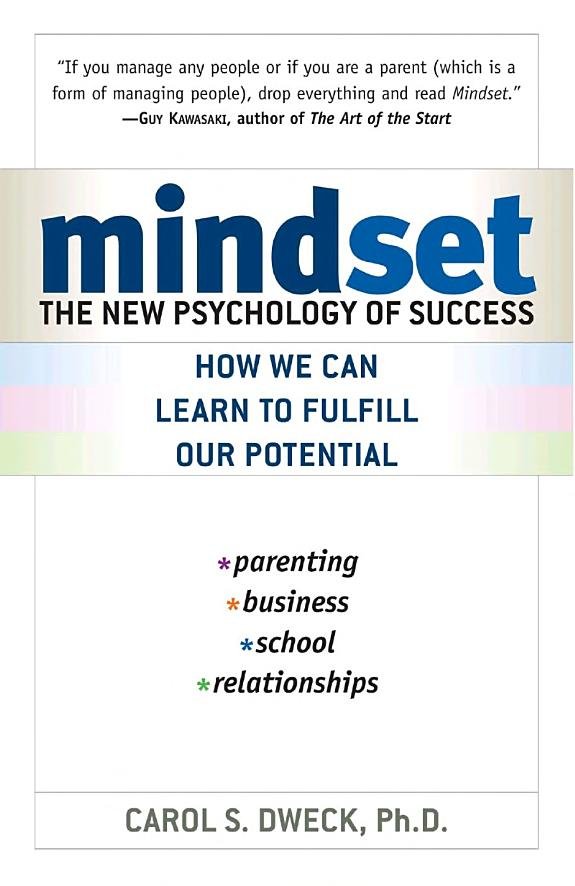
Mindset: The New Psychology of Success
6. Mindset: The New Psychology of Success by Carol S. Dweck
Carol Dweck is a Stanford psychologist who spent decades studying why some people bounce back from failure and others are flattened by it. Her answer, refined into the now-famous framework of fixed versus growth mindset, is both simple and surprisingly hard to actually internalize. A fixed mindset treats your abilities as static, as things you either have or do not. A growth mindset treats them as developable through effort and experience. The feeling of being behind in life is, in Dweck’s framework, often a fixed-mindset trap: you have decided that the window for becoming the person you wanted to be is closing, or already closed.
The book is written for a general audience and reads clearly, though some readers find the middle sections a bit repetitive once the core idea has been established. Dweck applies the framework across education, sports, business, and relationships, which gives the book range even if it occasionally feels like she is making the same point in different rooms. The research behind it is solid, and the practical implications are real enough that this has become required reading in a lot of schools and organizations, for better or worse.
What the book does particularly well is show how the fixed mindset is not just a personal quirk but something actively reinforced by the way we praise children, structure competition, and talk about talent. The cultural piece is important. Feeling behind is not just a private failure of confidence. It is often a predictable response to a system that treats potential as a fixed quantity rather than a living one.
“The passion for stretching yourself and sticking to it, even when it’s not going well, is the hallmark of the growth mindset.”
This is perfect for people who have internalized the belief that they are simply not the kind of person who succeeds at certain things, for parents and teachers, and for anyone who tends to avoid challenges because failure feels like a verdict rather than data. It is less compelling for readers already familiar with the growth mindset framework who are looking for something more nuanced or new.
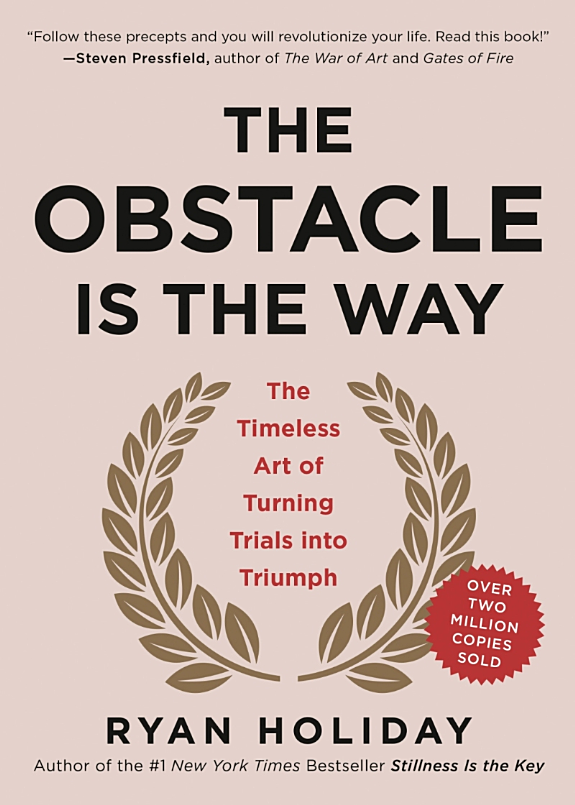
The Obstacle Is the Way: The Timeless Art of Turning Trials into Triumph
7. The Obstacle Is the Way: The Timeless Art of Turning Trials into Triumph by Ryan Holiday
Ryan Holiday is a Stoic philosophy enthusiast who has made a very good living translating Marcus Aurelius and Seneca for people who would not otherwise pick up ancient texts. The Obstacle Is the Way is probably his most focused book: a sustained argument, drawn from Stoic principles and illustrated with historical examples, that the things blocking your path are not separate from your progress. They are the path. The friction, the delay, the setback, these are not interruptions to your story. They are the story.
For anyone who feels behind, the reframe here is worth sitting with. Holiday is not saying that hardship is secretly fun or that failure is a gift with a bow on it. He is saying that the people who have done remarkable things throughout history tended to be people who stopped treating obstacles as problems to be waited out and started treating them as material to work with. The book moves quickly, with short chapters and a punchy, confident style that some readers find bracing and others find a little bro-ish. Both reactions are valid.
The historical examples range from Marcus Aurelius to Amelia Earhart to Ulysses S. Grant, and Holiday uses them well without oversimplifying. The book does not pretend that attitude alone changes circumstances. But it makes a genuine case that your relationship to your circumstances is something you actually have control over, which is a more useful starting point than most. It is a short book, deliberately so, and it is better for it.
“The impediment to action advances action. What stands in the way becomes the way.”
This is perfect for readers going through a specific setback, career stall, or period of frustration who want a philosophical framework rather than emotional reassurance. It is not the right fit for people who find Stoic philosophy cold or who are looking for something more emotionally warm and personal.
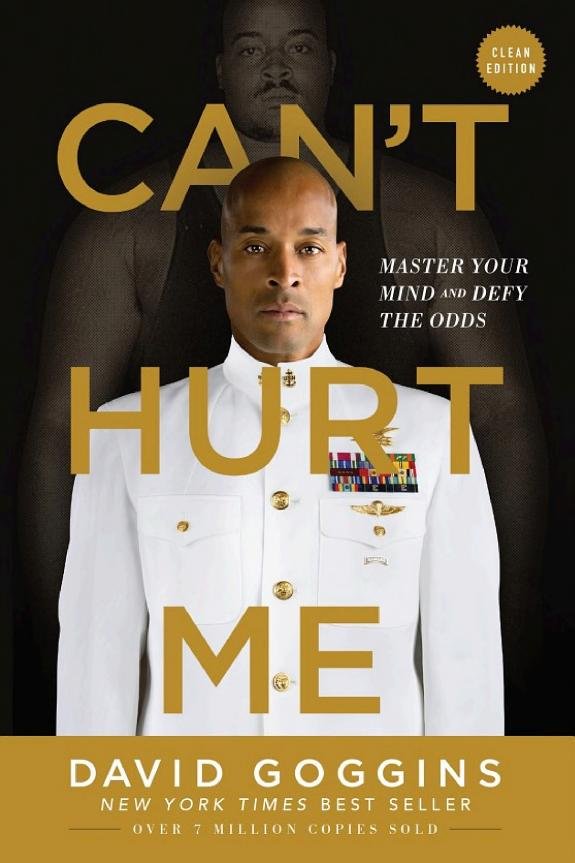
Can’t Hurt Me: Master Your Mind and Defy the Odds
8. Can’t Hurt Me: Master Your Mind and Defy the Odds by David Goggins
David Goggins is not here to make you feel better about where you are. He is here to suggest, with considerable intensity, that the version of yourself you have been protecting is significantly softer than the version you are capable of becoming. Goggins grew up in a genuinely brutal environment, endured abuse, struggled with obesity and learning disabilities, and went on to become a Navy SEAL, an ultramarathon runner, and a man who seems constitutionally incapable of accepting a comfortable excuse. The book is part memoir, part extended argument that most of us are operating at about forty percent of our actual capacity.
This is the most confrontational book on this list by a significant margin. Goggins does not offer the kind of reassurance you will find in Late Bloomers or The Midnight Library. His version of comfort is closer to: you have been lying to yourself, and that is the good news, because lies can be corrected. He calls out the habit of using past hardship as a reason to stop rather than as evidence that you can endure more than you think. It is not a gentle read. It is also, for the right person at the right moment, genuinely useful.
The writing is raw and occasionally unpolished, which feels appropriate given the subject. Goggins is not performing vulnerability. He is just telling you what happened and what he decided to do about it. The book includes challenges at the end of each chapter, practical exercises designed to push you into the discomfort he considers necessary for growth. You do not have to do any of them. But if you are the kind of person who responds to being directly challenged rather than gently encouraged, this book will find you where you live.
“You are stopping you. You are giving up instead of getting hard. Don’t cry about it. Do something about it.”
This is perfect for readers who have grown tired of their own excuses and want something that will genuinely shake them out of complacency, particularly those who respond better to being challenged than comforted. It is absolutely not the right book for someone in a fragile mental health moment, anyone who finds aggressive motivational language alienating, or readers looking for nuance and self-compassion.
Feeling behind is one of the most universal experiences there is, which is a strange comfort when you are in the middle of it. The books on this list do not all agree with each other, which is part of what makes them worth reading together. Haig says look at the lives you did not live and notice their imperfections. Karlgaard says the timeline you are measuring yourself against is largely made up. Epstein says your wandering was probably useful. Jay says do not wait too long anyway. Tolle says the only moment that exists is this one. Dweck says your abilities are not fixed. Holiday says the obstacle is the material. Goggins says stop waiting for permission.
You do not have to agree with all of them. You probably will not. But somewhere in that range of voices, there is likely one that will say the thing you needed to hear at exactly the moment you needed to hear it. That is what a good reading list is for. Not to tell you what to think, but to give you enough different angles that you can finally see your own situation a little more clearly.
Pick the one that makes you slightly uncomfortable. That is usually the right one.