The Housemaid Summary by Freida McFadden
Some books grab you by the collar on the first page and simply refuse to let go. Freida McFadden’s The Housemaid is exactly that kind of read. It presents itself as a domestic drama, the story of a woman taking a job in a wealthy household, and then quietly, methodically, pulls the rug out from under you.
Published in 2022, the novel became a word-of-mouth sensation, and for good reason. McFadden has a gift for making you trust the wrong people and doubt the right ones. By the time the final chapters arrive, you realize the story you thought you were reading was never quite the story at all.
The Housemaid
The Core Idea
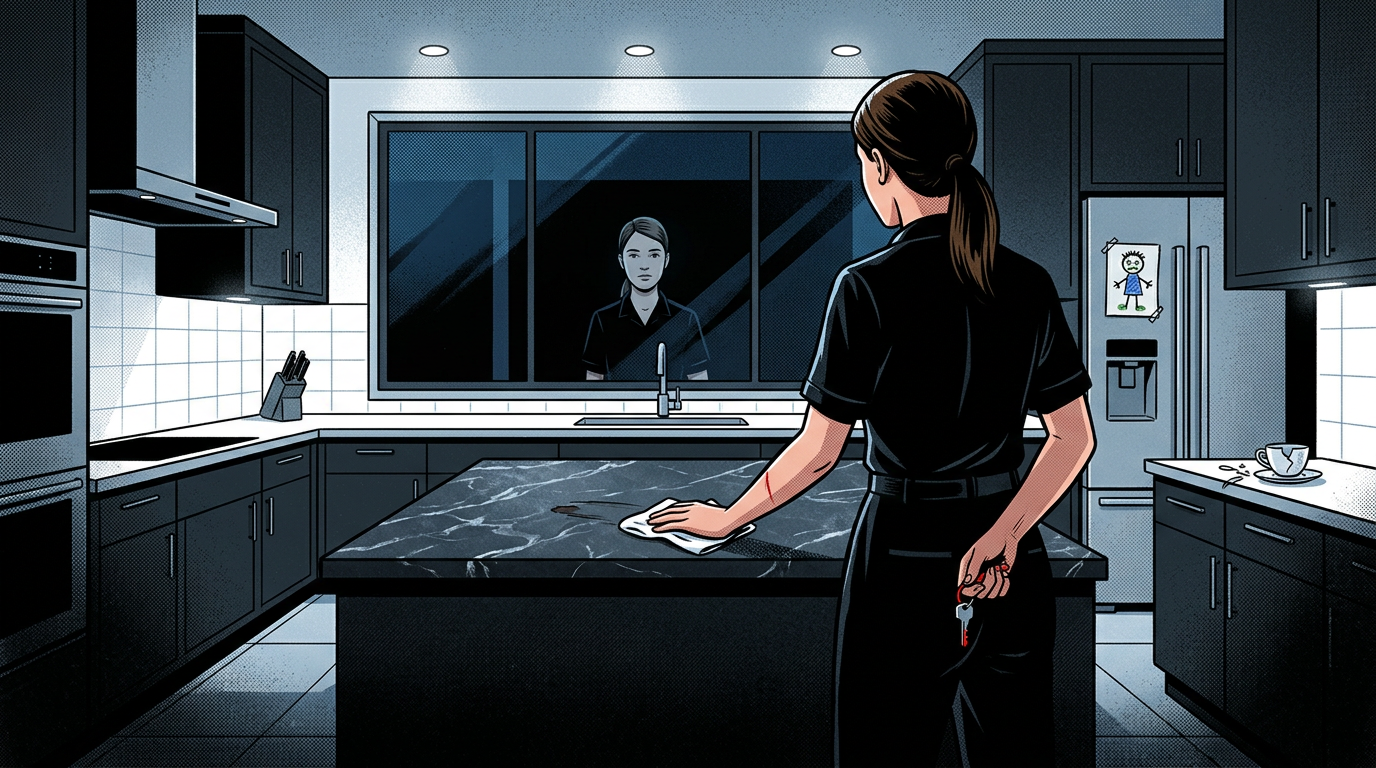
At its heart, The Housemaid is a story about desperation, control, and the dangerous things that happen when people are not who they appear to be. Millie Calloway is broke, down on her luck, and running out of options. When she answers an ad to work as a live-in housemaid for the Winchester family, the position seems like a lifeline. The house is beautiful. The pay is decent. But almost immediately, something feels wrong.
Nina Winchester, the wife of the household, is erratic and unpredictable. Andrew Winchester, the husband, is charming and attentive in ways that feel a little too deliberate. And Millie herself is hiding a past she would rather keep buried. McFadden uses this pressure cooker setup to explore how power operates inside a home, who holds it, who pretends to hold it, and who is quietly being crushed by it.
The Housemaid asks a question that lingers long after the last page: what does a person do when every door is closed except the most dangerous one?
Key Lessons and Takeaways
One of the most striking things McFadden does is force readers to sit with their own assumptions. Early in the novel, Millie seems sympathetic but slightly unreliable. Nina seems unhinged. Andrew seems reasonable. The book lets you settle into those judgments, and then it systematically dismantles them. The lesson here is not just a narrative trick. It reflects something true about how we assess people in real life, often based on surface presentation rather than anything deeper.
The novel also has a lot to say about the vulnerability of people in financially precarious positions. Millie cannot simply quit and walk away. She has nowhere to go. That powerlessness is what the Winchesters, or at least one of them, exploits. McFadden does not moralize about this, but the dynamic is impossible to miss. The housemaid role itself becomes a kind of trap, one that Millie entered willingly because she had no real alternative.
The Most Memorable Concepts
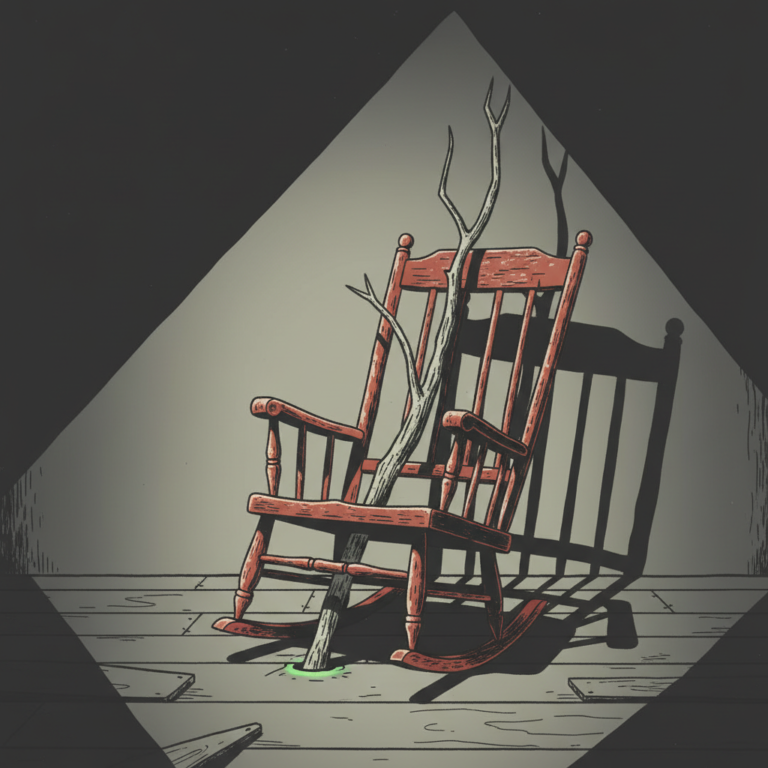
The locked attic room is one of the novel’s most effective images. Early on, Millie discovers that her bedroom is not a proper room at all but a cramped, airless space with a lock on the outside. It is a detail that would send most people running, but Millie stays. That choice, born entirely of necessity, sets the tone for everything that follows. The room functions almost as a symbol of the entire situation: a place that looks like shelter but is actually a cage.
McFadden also handles the twist structure with genuine craft. There are not just one or two surprises here. The revelations come in layers, and each one reframes what came before it. Millie’s backstory, when it finally arrives in full, is not the simple redemption arc you might expect. It is messier and more interesting than that. The same goes for Nina, whose behavior starts to make a different kind of sense once you understand what she has been living through. The book earns its shocks because they are rooted in character, not just plot mechanics.
Why It Stays With You
What separates The Housemaid from a lot of thrillers in this space is that McFadden never loses sight of her characters as people. Even when the plot is moving at full speed, you feel the weight of what Millie has survived and what she is still capable of. The ending is both satisfying and a little unsettling, which is exactly the right note for a book like this. It does not tie everything into a neat bow. It leaves you thinking about who, in any given situation, truly has the power, and whether that power is ever as stable as it looks.
The Verdict
This book is a natural fit for readers who enjoy psychological thrillers with domestic settings, particularly those who loved The Silent Patient or Behind Closed Doors. If you prefer slower, more literary fiction, the pace and genre conventions here may feel familiar, but McFadden’s character work gives it enough substance to reward the read regardless.
The Housemaid is a sharp, propulsive thriller that knows exactly what it is doing. Freida McFadden has written a book that is easy to start and genuinely difficult to set aside, and the questions it raises about trust, desperation, and domestic power stay with you longer than the plot twists do. It is the kind of story that reminds you why fiction about ordinary spaces, a house, a job, a marriage, can be the most unsettling fiction of all.