
5 Books About Anxious Attachment Worth Reading
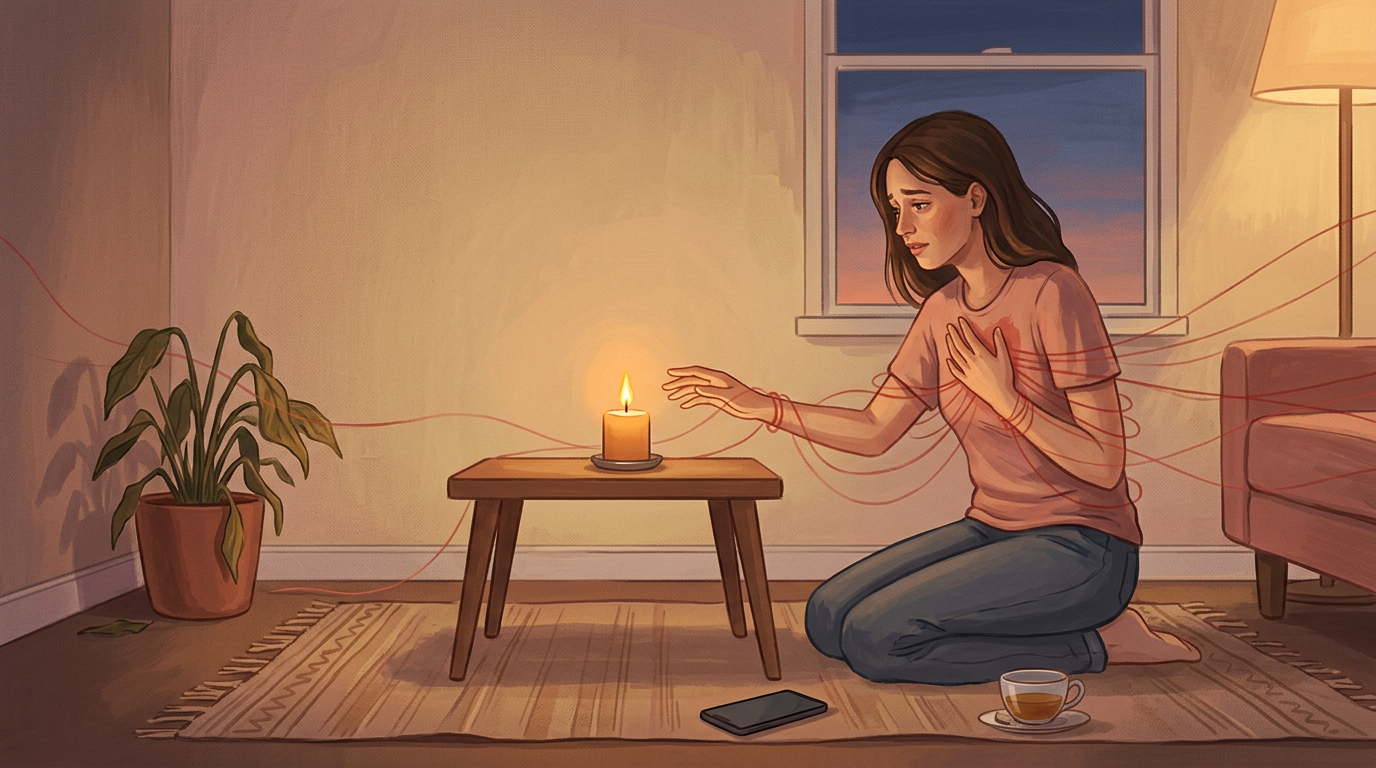
There is a particular kind of exhaustion that comes with anxious attachment. It is the 3 a.m. spiral after a text goes unanswered for two hours. It is the rehearsed conversations in your head, the hypervigilance, the constant low hum of “but do they really love me?” If any of that sounds familiar, you are not broken. You are also not alone.
Attachment theory has moved well beyond the walls of therapy offices. Writers, researchers, and clinicians have spent decades translating this science into something the rest of us can actually use. The five books below represent some of the most thoughtful, grounded work in this space. They vary in tone and approach, from workbook-style self-guides to research-heavy explorations of relationship dynamics, so there is something here depending on where you are in your own understanding. None of them promise a quick fix, because there is not one. But all of them offer something more valuable: clarity.
Insecure in Love
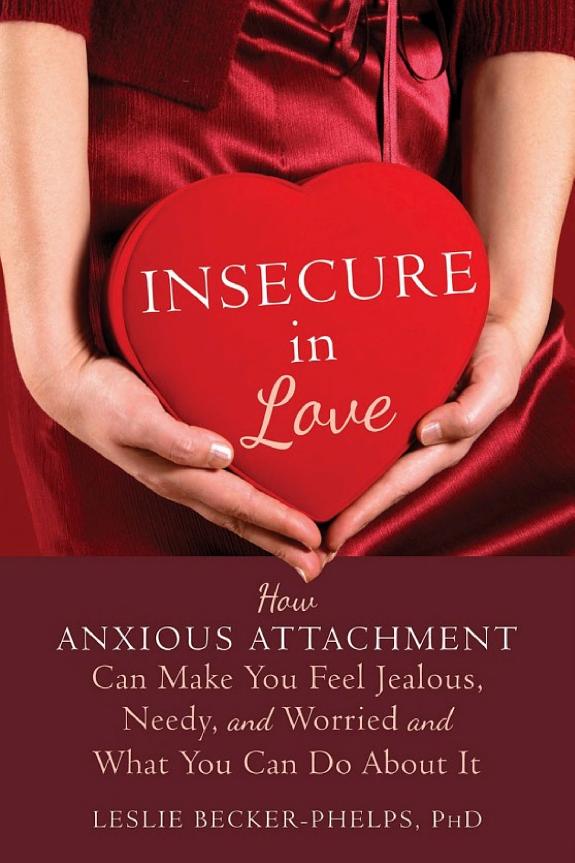
1. Insecure in Love by Leslie Becker-Phelps
Leslie Becker-Phelps writes with the warmth of a therapist who genuinely likes her clients. This book is aimed squarely at people who already suspect they have anxious attachment patterns and want a structured, compassionate way to work through them. Becker-Phelps draws heavily on Compassionate Self-Awareness, a framework she developed that encourages readers to observe their own emotional patterns without collapsing into shame. That framing matters a lot here, because shame is often the wallpaper behind anxious attachment.
The book moves through the internal experience of anxious attachment with real precision. Becker-Phelps explains how an anxious person often abandons their own sense of self in relationships, shrinking to fit what they think a partner needs, then feeling resentful and confused when that still does not feel like enough. She connects these behaviors back to early experiences without turning the whole thing into a blame-your-parents exercise. The chapters are practical without being cold, and the exercises throughout are genuinely useful rather than the kind you skip.
One thing that sets this book apart is its focus on the internal relationship you have with yourself. A lot of attachment books zoom in on the couple dynamic. This one keeps returning to the question of how you treat yourself when anxiety spikes, and that is a thread worth following. It is a slower read than some others on this list, partly because the exercises invite you to sit with things rather than rush past them.
“Anxious attachment is less about the person you are with and more about the story you keep telling yourself about whether you are worth staying for.”
This is perfect for readers who are early in their exploration of attachment theory and want a gentle, workbook-style guide with a strong emphasis on self-compassion. It is less suited to people looking for a purely research-driven read or those who prefer their psychology books without exercises.
Love Me, Don’t Leave Me
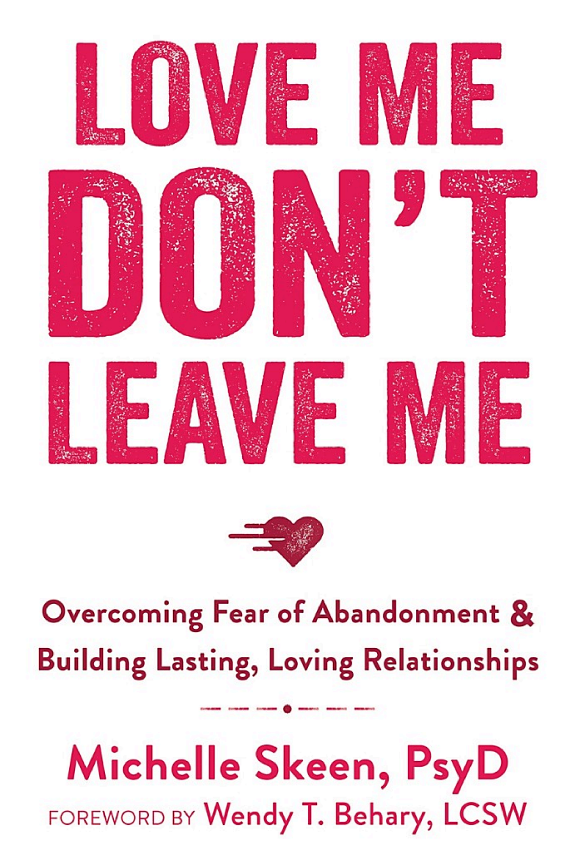
2. Love Me, Don’t Leave Me by Michelle Skeen
Michelle Skeen comes at anxious attachment from a slightly different angle. Her background is in schema therapy, which looks at the deeply held beliefs formed in childhood that quietly run the show in adult relationships. “Love Me, Don’t Leave Me” is built around the idea that abandonment fear is not just a quirk of temperament but a schema, a core belief that gets activated and then drives behavior in ways that often produce the very outcome you are terrified of. If you have ever wondered why you sometimes seem to push away the people you most want to keep close, this book has a lot to say about that.
Skeen writes in a direct, no-nonsense style that some readers will find refreshing and others might find a touch clinical. The book includes quizzes and reflective exercises throughout, and it is organized in a way that helps you identify which specific schemas are most active in your own patterns. The connection between childhood wounds and adult relationship behavior is drawn clearly without being reductive. Skeen is careful to acknowledge that understanding a pattern is not the same as changing it, and she spends meaningful time on the practical side of that gap.
What Skeen does particularly well is address the self-defeating cycle that anxious attachment creates. The clingy behavior, the testing, the emotional flooding, she explains each of these not as character flaws but as logical responses to perceived threat. That reframe is not just reassuring. It is actually useful, because it gives you something to work with rather than just something to feel guilty about. The schema lens also helps readers who have done attachment work before and feel like they need a different entry point.
“The fear of abandonment does not make you needy. It makes you human. What matters is whether you let that fear make your decisions for you.”
This is perfect for people who want a schema-based framework for understanding their relationship patterns, especially those who have noticed a cycle of pushing partners away while desperately wanting them to stay. Readers who dislike quizzes and self-assessment tools may find the format less engaging.
Attached
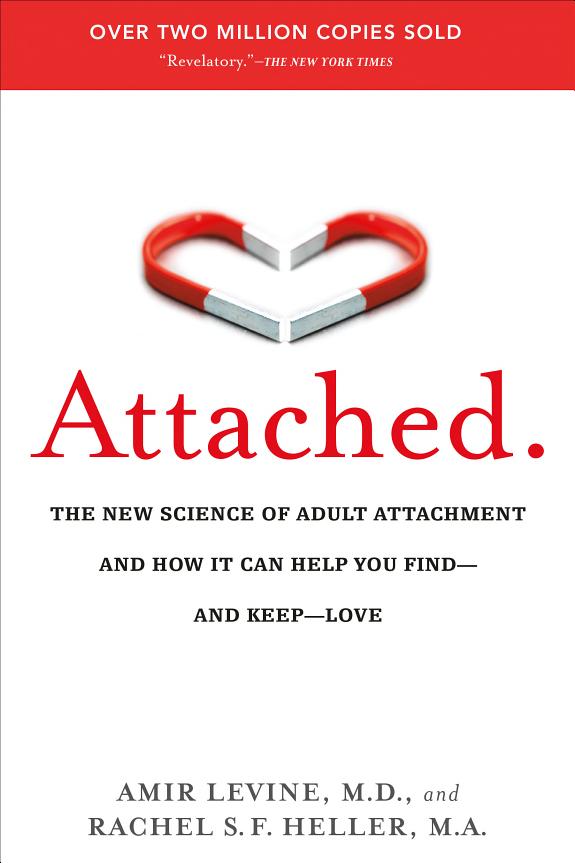
3. Attached by Amir Levine and Rachel Heller
If there is one book that introduced attachment theory to a mainstream audience outside of academic circles, it is probably this one. Amir Levine is a neuroscientist and psychiatrist, and Rachel Heller is a social psychologist, and together they wrote something that manages to be both scientifically grounded and genuinely readable. “Attached” covers all three main attachment styles, anxious, avoidant, and secure, but it pays particular attention to what happens when an anxious person pairs with an avoidant one. Spoiler: it is a lot. (The book is kinder about it than that.)
Levine and Heller introduce the concept of “activating strategies,” the behaviors anxious people use to re-establish closeness when they feel threatened, and “deactivating strategies,” the distancing moves avoidant people use to maintain independence. Seeing these two systems described side by side is one of those reading experiences where the light comes on and you suddenly understand years of confusing relationship dynamics in a single afternoon. The book is not trying to be a therapy substitute, but it is remarkably clarifying.
The authors are also refreshingly honest about compatibility. They argue, with research to back them up, that anxious and avoidant pairings tend to be genuinely difficult and that seeking out a secure partner is not settling, it is actually a reasonable and healthy goal. That perspective will not land well with everyone, particularly those who are currently in an anxious-avoidant relationship and hoping for a different answer. But for readers who are single or newly dating, it offers a practical framework for evaluating potential partners rather than just falling into familiar patterns.
“Understanding your attachment style is not about labeling yourself. It is about finally having a map of territory you have been wandering through in the dark.”
This is perfect for anyone who wants a clear, research-backed introduction to attachment theory and specifically wants to understand the anxious-avoidant dynamic. It is less suited to readers who are already well-versed in attachment science and want something more advanced or clinically nuanced.
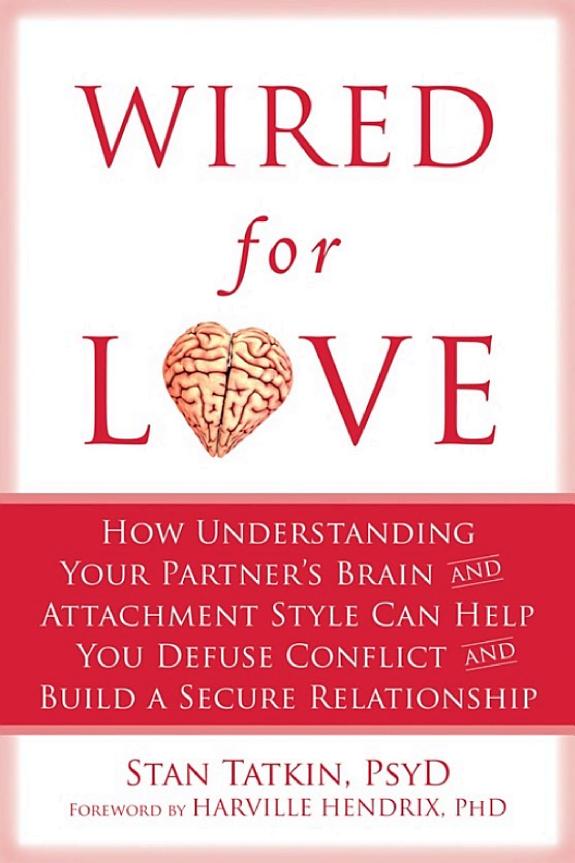
Wired for Love
4. Wired for Love by Stan Tatkin
Stan Tatkin is a couples therapist who has spent a long time thinking about what actually happens inside the nervous system during relationship conflict. “Wired for Love” is built around the idea that our brains are, in a very literal biological sense, shaped by our early attachment experiences, and that understanding your partner’s nervous system is as important as understanding their personality. Tatkin sorts people into three types, anchors (secure), islands (avoidant), and waves (anxious), and the wave description will be immediately recognizable to anyone with anxious attachment tendencies.
What makes this book distinctive is its emphasis on the couple as a unit rather than on individual healing. Tatkin argues that the relationship itself can become a secure base, that two people can essentially help regulate each other’s nervous systems if they understand what is happening and make deliberate agreements about how to treat each other. That is a hopeful framing, but Tatkin earns it with specifics. He offers concrete practices for couples, things like morning and evening rituals that signal safety, and ways to repair after conflict that actually address the nervous system rather than just the argument.
The neuroscience is accessible without being dumbed down. Tatkin explains concepts like the threat-detection system and the social engagement system in ways that make the anxious person’s behavior feel less like a personality problem and more like a wiring issue that can be worked with. The book does assume you are in a relationship and want to improve it. Readers who are single and primarily interested in self-understanding may find it less immediately applicable, though the self-knowledge it offers is still worth the read.
“Two people who understand each other’s nervous systems can build something neither of them could build alone: a relationship that actually feels safe.”
This is perfect for people who are currently in a committed relationship and want practical, neuroscience-informed tools for building more security together. It is less ideal for readers who are single or who prefer a more introspective, solo-focused approach to understanding their attachment style.
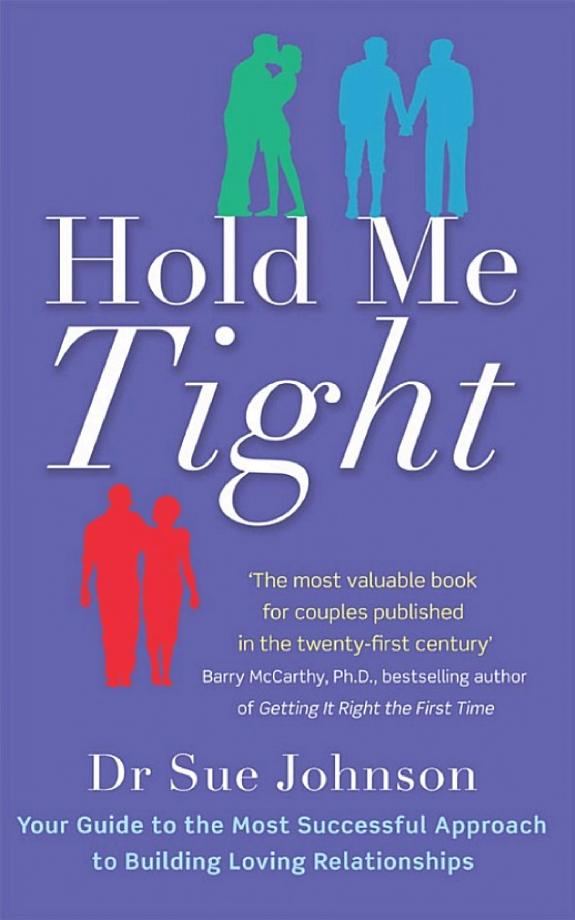
Hold Me Tight
5. Hold Me Tight by Sue Johnson
Sue Johnson is the creator of Emotionally Focused Therapy, one of the most well-researched couples therapy approaches in existence, and “Hold Me Tight” is her attempt to bring that work directly to couples who may never set foot in a therapist’s office. The book is organized around seven conversations that Johnson considers central to building a secure emotional bond, and it reads less like a self-help manual and more like sitting in on a thoughtful, deeply humane conversation about what love actually requires of us.
Johnson’s central argument is that adult love is not, as we are sometimes told, a sign of weakness or dependency. It is a biological need. She draws on attachment theory and decades of clinical work to make the case that the longing to feel emotionally accessible to and emotionally safe with a partner is not neediness. It is the whole point. For anxiously attached readers, that validation alone is worth the price of the book. But Johnson goes further, walking through the specific patterns that create distance and disconnection and offering a way to interrupt them.
The writing is warm and full of real case studies, composites drawn from Johnson’s clinical practice, that make the concepts feel grounded rather than abstract. The couples she describes are messy and recognizable in the way real couples are. Some sections are clearly aimed at both partners reading together, and the book works best in that context. But even read solo, it offers a genuinely moving account of why secure connection is so hard to build and so worth building. Johnson does not minimize the difficulty. She just refuses to let that difficulty be the last word.
“Needing your partner is not a flaw in your character. It is the architecture of love. The question is whether you can ask for what you need without making it a demand, and whether you can hear the answer without collapsing.”
This is perfect for couples who want to work through connection and disconnection patterns together, and for anyone who wants a deeply compassionate, research-backed account of why emotional bonding is so central to human wellbeing. Readers looking for a quick, practical workbook may find Johnson’s narrative style slower than they prefer.
Anxious attachment is one of those things that gets easier to live with once you can see it clearly. Not easier in a breezy, fixed-it way, but easier in the way that having a name for something gives you a little more room to work with it. These five books, across different styles and frameworks, all offer that kind of clarity. Some will resonate more than others depending on where you are right now, whether you are in a relationship or navigating one from a distance, whether you want science or exercises or just the comfort of feeling understood.
Reading about your own patterns can be uncomfortable. It can also be one of the more useful things you do. If even one of these books helps you understand yourself a little better, or helps you ask for what you need with a bit less panic, that is not a small thing. That is actually the whole thing.