

8 Books That Help You Understand People Better
Most of us spend years confused by the people around us. A friend says one thing and means another. A colleague makes a decision that seems completely irrational. A family member holds a belief that feels impossible to understand. And then, occasionally, we turn the lens on ourselves and realize we are just as baffling. Understanding people is genuinely hard work, and no single book will hand you a cheat code for it.
What good books can do, though, is give you better frameworks. They can show you the invisible forces that shape behavior, the shortcuts the brain takes without asking permission, and the emotional undercurrents running beneath even ordinary conversations. The eight books collected here do exactly that. They come from psychology, behavioral economics, political science, and social theory, but they share a common purpose: helping you see human beings, including yourself, with a little more clarity and a little more patience.
Emotional Intelligence: Why It Can Matter More Than IQ
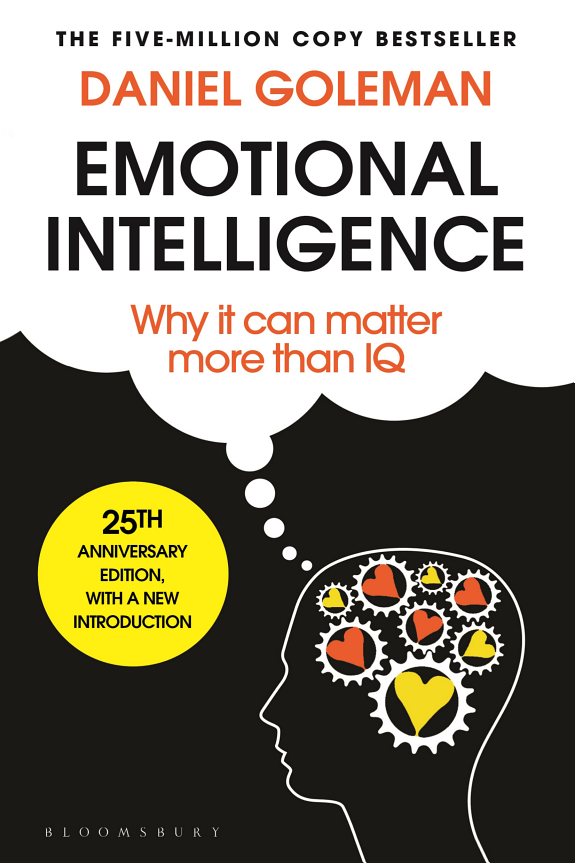
1. Emotional Intelligence: Why It Can Matter More Than IQ by Daniel Goleman
Daniel Goleman published this book in 1995 and it genuinely shifted how many people thought about success, relationships, and the limits of raw intellect. His central argument is that our capacity to recognize, understand, and manage emotions, both our own and other people’s, matters enormously in how our lives unfold. IQ gets you in the room, Goleman suggests, but emotional intelligence determines what happens once you’re there.
Goleman draws on neuroscience and psychology to explain how the emotional brain can hijack rational thinking, a process he calls the amygdala hijack, and why people who can regulate that process tend to navigate social and professional life more effectively. He covers empathy, self-awareness, impulse control, and motivation with enough depth to feel substantive without turning the book into a textbook. His writing is accessible, occasionally a touch journalistic, but the ideas hold up.
The book is not without its critics. Some researchers have argued that Goleman stretched the scientific evidence further than it could comfortably reach, and the concept of emotional intelligence has since been refined considerably in academic circles. Still, as an introduction to why feelings matter in how we relate to one another, it remains a useful and readable starting point.
Knowing yourself is not the same as controlling yourself, but Goleman makes a convincing case that the first is usually the necessary condition for the second.
This is perfect for readers who want a broad, readable introduction to emotional awareness and have never studied psychology formally, though anyone expecting rigorous academic precision may find it a bit loose.
Thinking, Fast and Slow
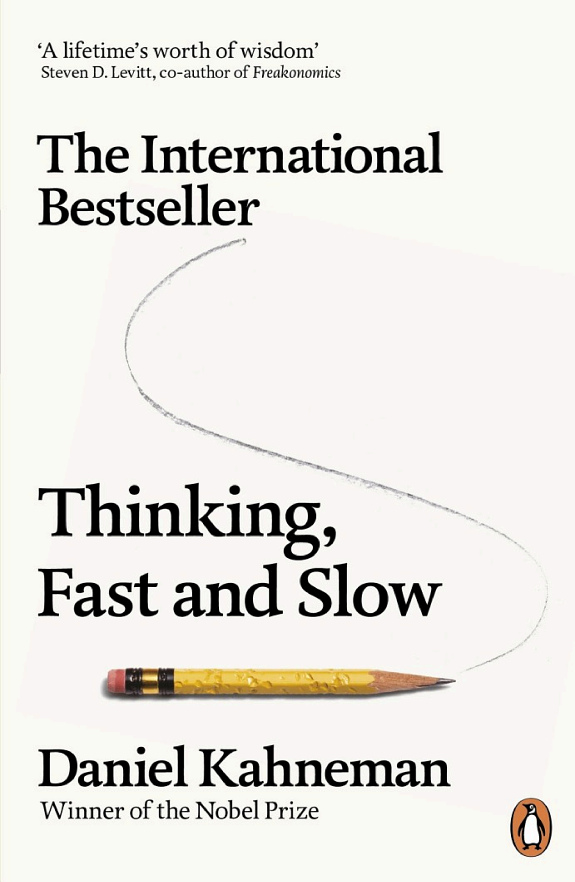
2. Thinking, Fast and Slow by Daniel Kahneman
If you want to understand why people make the decisions they do, including the ones that seem obviously wrong in hindsight, Daniel Kahneman’s book is probably the most important thing you can read. Kahneman, a Nobel Prize-winning psychologist, spent decades studying cognitive biases alongside his late colleague Amos Tversky, and this book is the culmination of that work presented for a general audience. It is not a light read, but it is a rewarding one.
The central framework divides thinking into two systems. System 1 is fast, automatic, and emotionally driven. System 2 is slow, deliberate, and effortful. Most of the time, we believe we are using System 2 when we are actually letting System 1 run the show. Kahneman walks through an extensive catalog of the errors this produces, from anchoring and availability bias to overconfidence and loss aversion. Each chapter feels like a small revelation about how the mind quietly misleads us.
What makes this book particularly useful for understanding other people is that it removes the temptation to see irrational behavior as a character flaw. When you understand that these biases are baked into human cognition, you become more patient with the people around you and, if you are honest, more humble about your own reasoning. Kahneman himself is careful to note that knowing about biases does not make you immune to them. That is a sobering but important point.
The uncomfortable truth at the heart of this book is that we are all confident narrators of stories our brains largely wrote without our input.
This is perfect for curious, patient readers who enjoy following an argument carefully and want a deep, evidence-based account of human decision-making, though readers looking for quick practical tips may find the depth a bit demanding.
Influence: The Psychology of Persuasion
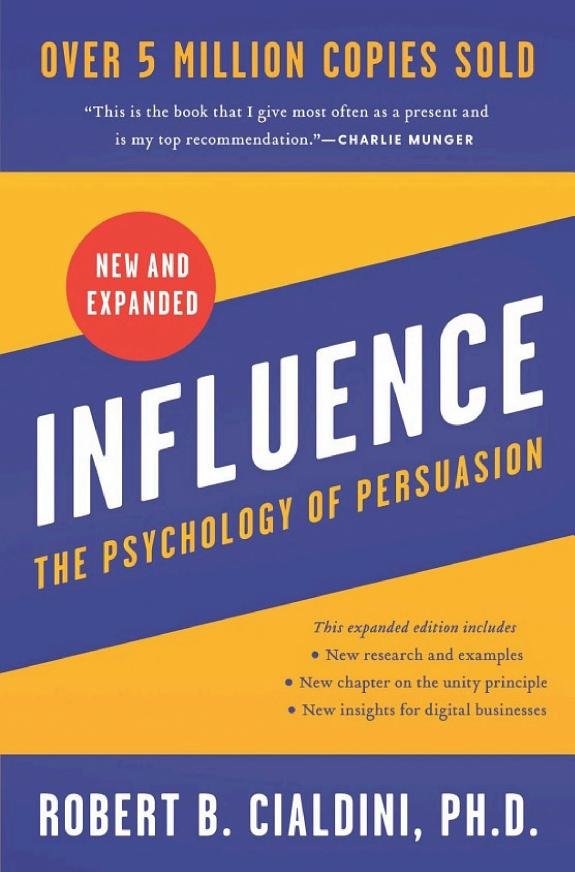
3. Influence: The Psychology of Persuasion by Robert B. Cialdini
Robert Cialdini spent years studying the people who make their living by getting others to say yes. He went undercover with car salespeople, fundraisers, and advertising executives, and what he found became the backbone of this book. Published in 1984 and updated several times since, it lays out six principles of influence that explain why people comply with requests even when it is not obviously in their interest to do so.
The six principles, reciprocity, commitment and consistency, social proof, authority, liking, and scarcity, are explained through a combination of research studies and real-world examples that are often genuinely entertaining. Cialdini has a gift for finding the telling anecdote, and the book moves at a good pace. You will almost certainly recognize yourself in some of the examples, which is part of what makes it stick.
The reason this book belongs on a list about understanding people is that it reveals the automatic, largely unconscious triggers that govern a great deal of social behavior. It is often marketed to salespeople and marketers, and yes, it is useful for that, but it is just as valuable as a defense mechanism. Once you see these patterns clearly, you notice them everywhere, in advertising, in politics, in everyday conversation. That awareness alone is worth the read.
Cialdini does not make you cynical about human nature so much as he makes you more awake to the machinery running quietly underneath it.
This is perfect for anyone who wants to understand social dynamics, negotiation, or persuasion, though readers who are already well-versed in behavioral psychology may find the framework familiar.
The Righteous Mind: Why Good People Are Divided by Politics and Religion
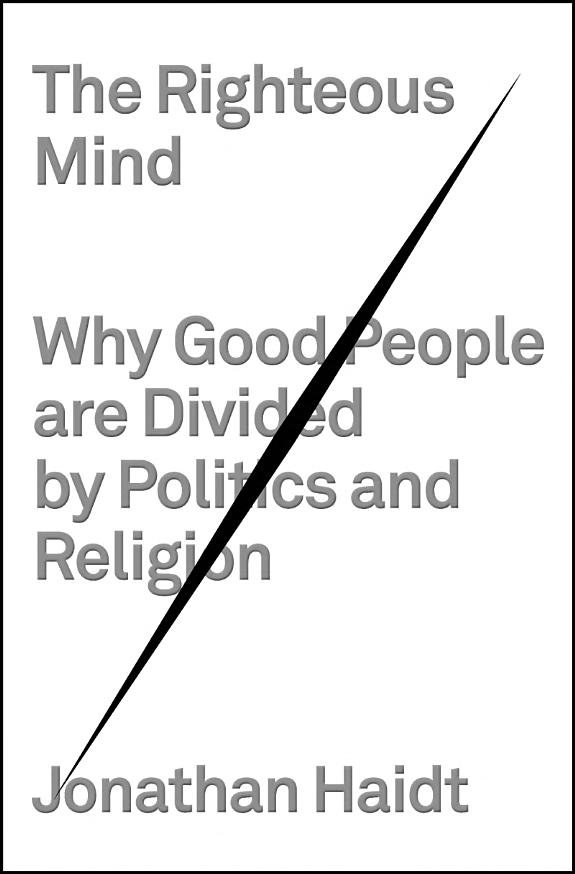
4. The Righteous Mind: Why Good People Are Divided by Politics and Religion by Jonathan Haidt
If you have ever stared across a dinner table at someone whose political or religious views seemed not just different but incomprehensible, Jonathan Haidt wrote this book for that moment. Haidt is a social psychologist at New York University, and his central argument is that moral reasoning is not primarily a rational exercise. It is an intuitive one. We feel our way to a moral position first, and then we construct arguments to justify it afterward. The rational mind, Haidt memorably suggests, is less like a judge and more like a lawyer hired after the verdict is already in.
He builds his case around Moral Foundations Theory, which proposes that human morality draws on several distinct psychological systems: care, fairness, loyalty, authority, sanctity, and liberty. Different people and different cultures weight these foundations differently, which is why moral arguments so often talk past each other. Conservatives and liberals, for instance, tend to draw on different combinations of these foundations, and neither side is simply broken or bad. They are operating from genuinely different moral intuitions.
This book will not resolve political arguments, and it does not try to. What it does is make those arguments more understandable. It is one of the more genuinely charitable accounts of human disagreement you are likely to read, and it asks something difficult of the reader: that you take seriously the possibility that people who disagree with you are not merely stupid or evil, but are responding to different moral signals with equal sincerity. That is harder than it sounds.
Haidt’s great contribution is showing that the most frustrating disagreements are not failures of intelligence but collisions between different moral languages.
This is perfect for readers who want to understand political and moral disagreement more charitably, though anyone looking for validation of their existing political views will likely find the book uncomfortable in the best possible way.
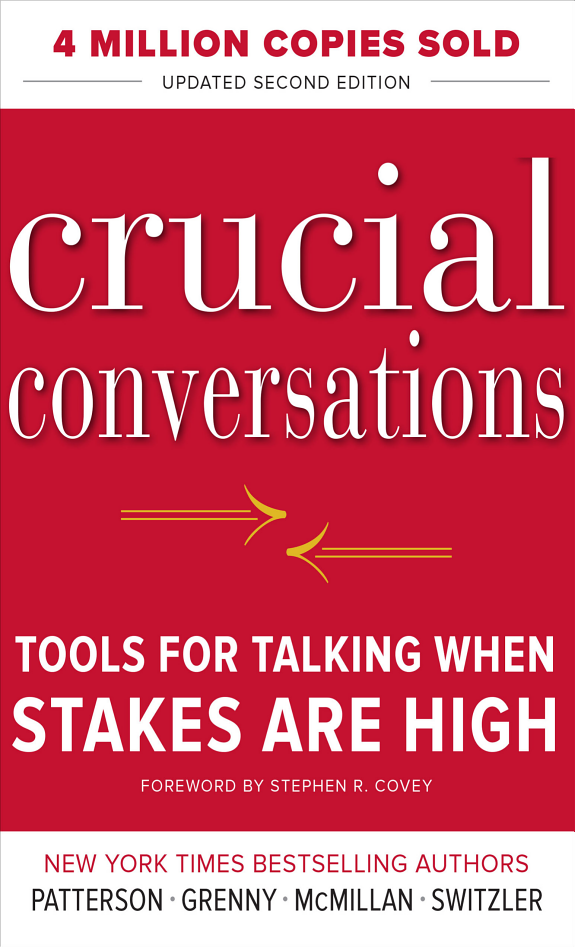
Crucial Conversations: Tools for Talking When Stakes Are High
5. Crucial Conversations: Tools for Talking When Stakes Are High by Kerry Patterson, Joseph Grenny, Ron McMillan, Al Switzler
There is a specific kind of conversation that most people dread: the one where emotions are running high, the stakes matter, and saying the wrong thing could make everything worse. This book is built around exactly those moments. Written by four organizational consultants with decades of experience studying how dialogue breaks down, it offers a practical framework for navigating conversations where the pressure to either shut down or blow up is strongest.
The writing is more corporate in tone than some of the other books on this list, which is worth knowing upfront. The authors use workplace examples frequently, and the prose occasionally tips into the kind of language that feels at home in a training seminar. But the underlying ideas are solid and genuinely useful. The concept of a shared pool of meaning, the idea that good dialogue depends on both parties contributing honestly to a common understanding rather than defending their own positions, is one of the more practical frameworks for productive conversation you will encounter.
What this book does well, perhaps better than any other on this list, is address the moment before the conversation goes wrong. It focuses on how to notice when safety breaks down, how to step out of the content of an argument to address the dynamic itself, and how to stay curious rather than combative. These are skills that take practice, but having the vocabulary for them is a genuine starting point. You will probably think of two or three specific relationships where you wish you had read this earlier.
The most useful insight here is that you cannot have a productive conversation about content when the people in the room no longer feel safe enough to be honest.
This is perfect for people who want practical tools for difficult conversations at work or at home, though readers who prefer pure theory over applied frameworks may find the prescriptive tone a bit much.
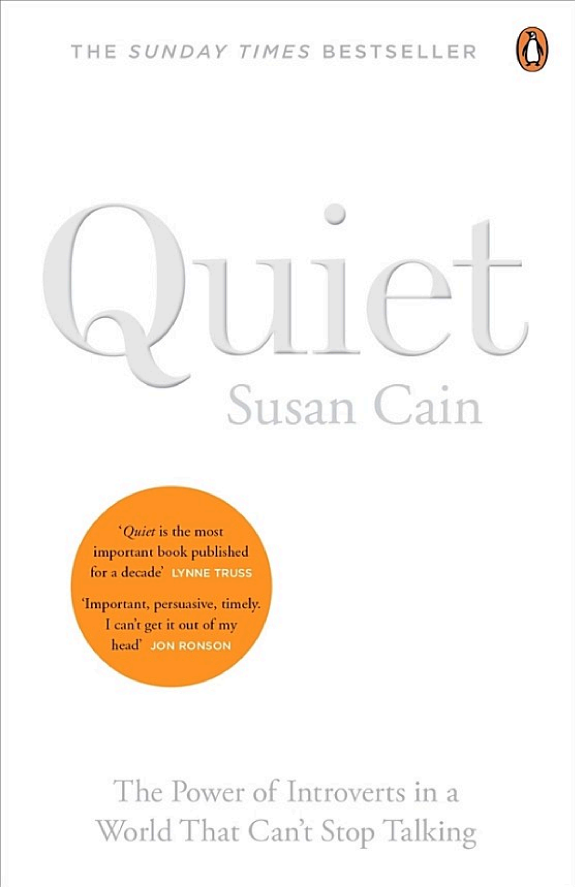
Quiet: The Power of Introverts in a World That Can’t Stop Talking
6. Quiet: The Power of Introverts in a World That Can’t Stop Talking by Susan Cain
Susan Cain’s book arrived in 2012 and seemed to give a large portion of the population permission to exhale. Quiet is an examination of introversion, what it is, how it differs from shyness, and why a culture that prizes extroversion so heavily has been systematically undervaluing a significant chunk of its most thoughtful people. Cain is a former lawyer and negotiation consultant, and her writing has the precision and warmth of someone who has thought carefully about her subject for a long time.
The book covers a lot of ground. Cain explores the cultural history of the extrovert ideal in America, the neuroscience of introversion and extroversion, the challenges introverts face in schools and workplaces designed for louder personalities, and the particular dynamics of introvert-extrovert relationships. She interviews researchers, educators, and ordinary people, and she weaves her own experience throughout in a way that feels honest rather than self-indulgent.
For understanding people, this book is valuable because it challenges a common and often unconscious assumption: that the person who speaks most confidently in a room is the most competent or most trustworthy person in it. Cain builds a careful case that quiet people are not simply extroverts who haven’t tried hard enough, and that understanding introversion on its own terms changes how you read a lot of social situations. It is also, for what it is worth, an excellent book to hand to someone who has never quite understood why you find parties exhausting.
Cain makes you realize how much social energy gets wasted trying to perform a personality type you were never built for in the first place.
This is perfect for introverts seeking language for their experience and for extroverts who want to understand the people in their lives who recharge alone, though readers expecting a strict scientific treatise may want to pair it with more academic sources.
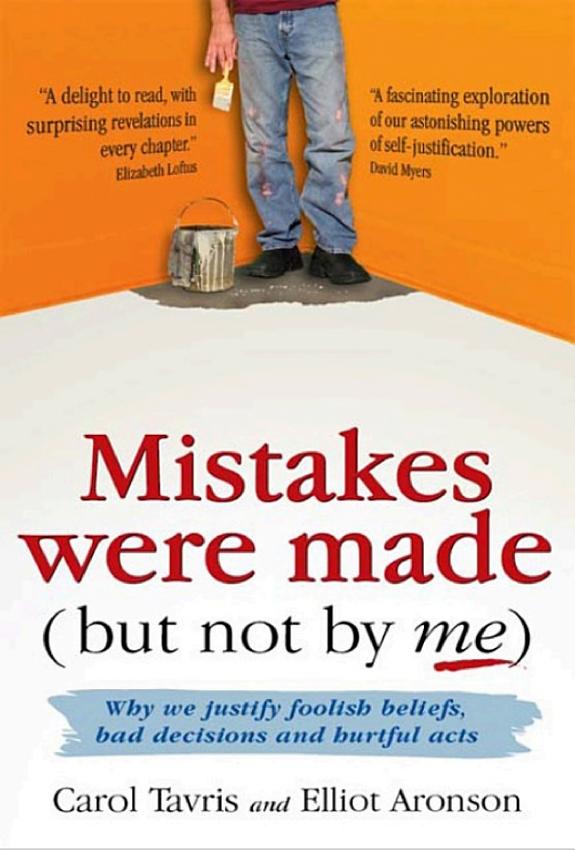
Mistakes Were Made (But Not by Me): Why We Justify Foolish Beliefs, Bad Decisions, and Hurtful Acts
7. Mistakes Were Made (But Not by Me): Why We Justify Foolish Beliefs, Bad Decisions, and Hurtful Acts by Carol Tavris and Elliot Aronson
The title alone should make you laugh in recognition, because you have almost certainly heard some version of that sentence from someone you know, and if you are being honest, you have probably said it yourself. Carol Tavris and Elliot Aronson, both distinguished social psychologists, have written a book about self-justification: the deeply human tendency to protect our self-image by finding reasons why we were right even when we were clearly, demonstrably wrong. It is one of the more unsettling books on this list, in the best possible way.
The central mechanism they explore is cognitive dissonance, the discomfort we feel when our actions or beliefs conflict with our self-image. To relieve that discomfort, we do not usually change our behavior. We change our story. We reframe, rationalize, and revise our memories until the narrative puts us back in a flattering light. Tavris and Aronson trace this process through marriage conflicts, medical errors, false confessions, political scandals, and the criminal justice system. The examples are fascinating and occasionally horrifying.
What makes this book essential for understanding people is that it explains why apologies are so rare and why changing someone’s mind is so difficult. It is not that people are dishonest, exactly. It is that the brain is extraordinarily good at protecting us from the evidence that we might have been wrong. Once you understand self-justification as a cognitive process rather than a moral failing, you become both more patient with others and, if you are paying attention, more vigilant about your own reasoning. The authors are also quite funny, which helps when the subject matter hits a little close to home.
The most important sentence in this book might be the one that reminds you that the people who have done the most harm are often the ones who feel the most justified.
This is perfect for readers who want to understand why people double down instead of apologizing and why good intentions so rarely prevent bad outcomes, though anyone hoping for a comfortable read about human virtue will need to look elsewhere.
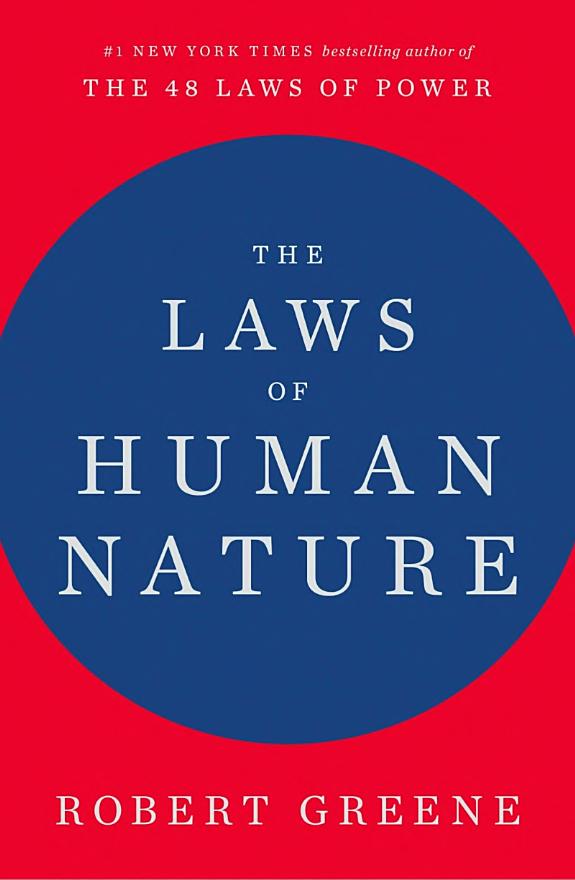
The Laws of Human Nature
8. The Laws of Human Nature by Robert Greene
Robert Greene is a writer who inspires strong reactions. Some readers find his work bracingly honest about human nature. Others find it uncomfortably cynical. The Laws of Human Nature, published in 2018 and running to nearly 600 pages, is his most ambitious attempt to synthesize what he sees as the enduring patterns of human behavior across history. Drawing on figures from Pericles to Howard Hughes, from Queen Elizabeth I to Anton Chekhov, Greene identifies eighteen laws that he argues govern how people think, feel, compete, and deceive.
Greene’s approach is more humanistic than scientific. He draws on biography, philosophy, and historical narrative rather than controlled studies, which means the book reads more like a meditation on human nature than a research summary. His prose is confident and often compelling. Each chapter pairs a historical case study with a set of observations about human tendencies, covering envy, narcissism, grandiosity, shortsightedness, and the hunger for status, among others. He is particularly good on the self-deceptions people engage in and the social masks they wear.
The book is long, and it is not meant to be rushed. Greene rewards readers who engage with the historical material rather than skipping to the summary sections at the end of each chapter. His worldview is not optimistic, exactly, but it is not nihilistic either. His argument seems to be that understanding darker human impulses, in others and in yourself, is a precondition for navigating the world with any real skill. Whether you find that perspective clarifying or exhausting will probably determine how much you get out of it.
Greene asks you to look at human behavior without the comfort of believing that most people are acting from their best selves most of the time, which is either liberating or depressing depending on your mood.
This is perfect for readers who enjoy sweeping historical narrative combined with psychological observation and are willing to sit with a somewhat unsentimental view of human motivation, though anyone who finds Greene’s earlier work manipulative or cold may want to approach this one with the same reservations.
None of these books will turn you into a mind reader, and that is probably for the best. What they will do, taken together, is give you a richer vocabulary for the behavior you observe every day. You will start to notice the cognitive shortcuts people take, the emotional needs driving difficult conversations, the moral foundations shaping disagreements that seem purely logical. You will also, almost certainly, start noticing those same patterns in yourself, which is less comfortable but considerably more useful.
The best reason to read widely about human nature is not to gain an advantage over people. It is to become more patient with them, and more honest about your own blind spots. These eight books, for all their different angles and tones, share that underlying purpose. Pick the one that speaks most directly to something you are currently puzzling over, and go from there. The rest will wait.