6 Harry Potter Books That Started A Reading Revolution
Remember that first time you cracked open a Harry Potter book? Maybe you were skeptical about all the hype, or perhaps you were already buzzing with excitement from hearing your friends talk about this magical world. Whatever brought you to that moment, you were about to step into a story that would change how an entire generation thought about reading.
Looking back at the first six books of the series, it’s fascinating to see how each one builds upon the last, growing progressively more complex as Harry and his readers mature together. Let’s revisit these beloved stories and remember what made each one special.

Harry Potter and the Philosopher’s Stone
Harry Potter and the Philosopher’s Stone by J.K. Rowling
The book that started it all begins with such beautiful simplicity: a boy under the stairs, an owl with a letter, and a world of magic waiting to be discovered. Rowling’s genius shows in how she makes the extraordinary feel natural, introducing us to Hogwarts through Harry’s wide-eyed perspective.
What strikes me most about Philosopher’s Stone is how perfectly it balances whimsy with substance. While we’re delighting in floating candles and chocolate frogs, Rowling subtly weaves in themes of friendship, courage, and the power of love that will echo throughout the series.
The writing stays refreshingly straightforward, making it accessible to younger readers while including enough depth to engage adults. The mystery of the stone keeps pages turning, but it’s the characters who truly enchant us: bossy but loyal Hermione, funny and faithful Ron, and Harry himself, brave but wonderfully human.
“The thing about Philosopher’s Stone that still gets me is how every seemingly trivial detail, from Nearly Headless Nick to Fluffy the three-headed dog, feels both delightfully random and somehow essential to the story.”
This is perfect for first-time readers of any age who want to experience the magic of Hogwarts through fresh eyes.

Harry Potter and the Chamber of Secrets
Harry Potter and the Chamber of Secrets by J.K. Rowling
Chamber of Secrets proves the first book wasn’t a fluke by diving deeper into the darker corners of the wizarding world. The story takes on a more mysterious tone, with the threatening messages on the walls and the voice only Harry can hear creating genuine tension.
What I love about this second installment is how it expands the magical world while raising the stakes. We learn about pure-blood prejudice, meet the fascinating Dobby, and get our first real hint about Horcruxes (though we don’t know it yet). The humor remains bright, especially with Gilderoy Lockhart’s endless preening, providing perfect balance to the scarier moments.
The writing grows more confident here, though it still maintains its accessibility. Rowling begins planting seeds that won’t bloom until much later in the series, rewarding careful readers with subtle connections.
“The diary of Tom Riddle is such a brilliant device, not just as a plot point but as a way to show us that even the most charming exterior can hide something truly sinister.”
This is perfect for readers who enjoy mystery elements in their fantasy and aren’t too squeamish about giant spiders.
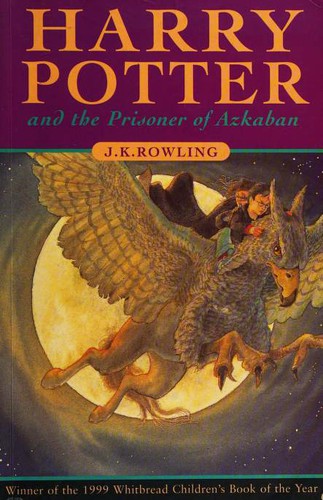
Harry Potter and the Prisoner of Azkaban
Harry Potter and the Prisoner of Azkaban by J.K. Rowling
Many fans consider Prisoner of Azkaban the point where the series truly finds its voice. The story takes a more complex turn, weaving together past and present in ways that challenge both Harry and the reader. The introduction of the Marauders’ backstory adds rich layers to James Potter’s history and Hogwarts itself.
What sets this book apart is its emotional depth. Through the Dementors, Rowling explores the impact of depression and trauma, while Sirius Black’s story examines themes of loyalty and prejudice. The time-turner subplot is handled with remarkable clarity, avoiding the usual paradoxes that plague time travel stories.
Here the writing shows significant maturation, tackling more sophisticated themes while maintaining the warmth and humor we’ve come to expect. Professor Lupin brings a new dimension to the Defense Against the Dark Arts role, showing us what a truly good teacher can mean to struggling students.
“The moment when Harry realizes the stag Patronus he saw wasn’t his father but himself is one of the most powerful examples of self-discovery in young adult literature.”
This is perfect for readers ready to transition from simple adventure stories to more emotionally complex narratives.
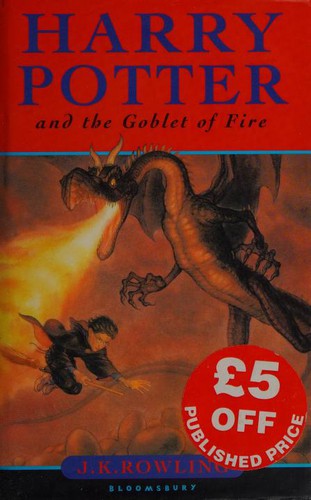
Harry Potter and the Goblet of Fire
Harry Potter and the Goblet of Fire by J.K. Rowling
With Goblet of Fire, the training wheels come off. This massive volume marks the series’ transition into more mature territory, balancing the excitement of the Triwizard Tournament with growing darkness. The book handles themes of death, corruption, and unfairness with remarkable grace.
The introduction of other wizarding schools broadens the scope dramatically, showing us that Hogwarts is just one part of a larger magical world. Rowling excels at capturing the awkwardness of teenage romance alongside the mounting tension of the tournament tasks.
The writing becomes more sophisticated here, with multiple plot threads weaving together toward the devastating conclusion. The ending changes everything, marking a point of no return for the series and its readers.
“The way ordinary school drama like the Yule Ball sits right alongside life-and-death tournament tasks perfectly captures what it feels like to be fourteen, when everything seems equally world-ending.”
This is perfect for readers ready to handle more challenging themes and won’t be put off by a significantly longer page count.

Harry Potter and the Order of the Phoenix
Harry Potter and the Order of the Phoenix by J.K. Rowling
Order of the Phoenix is where the series fully embraces its darker tone. Harry’s anger and frustration mirror the reader’s own feelings as we watch injustice prevail at Hogwarts. Umbridge might be the most realistically terrifying villain in the series, precisely because we’ve all met someone like her.
This book excels at showing the complexity of resistance against systemic corruption. The formation of Dumbledore’s Army gives us hope while highlighting how ordinary students can find courage in difficult times. Through Sirius’s confinement and Harry’s isolation, we explore themes of helplessness and the importance of connection.
The writing reaches new emotional heights, particularly in depicting Harry’s internal struggles and the painful process of growing up. Some readers find Harry’s anger in this book challenging, but it feels authentic to both his age and circumstances.
“The scene where Neville’s bubble-head charm finally works in the Room of Requirement captures something beautiful about teaching and learning that no technical description could convey.”
This is perfect for readers who appreciate complex political themes and don’t mind their heroes showing significant flaws.
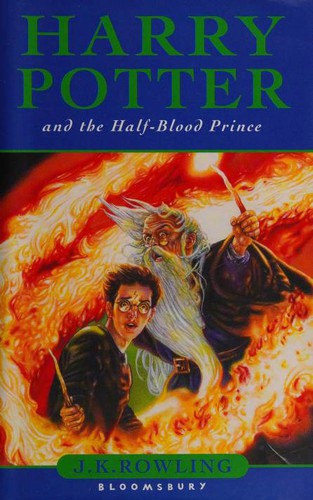
Harry Potter and the Half-Blood Prince
Harry Potter and the Half-Blood Prince by J.K. Rowling
Half-Blood Prince masterfully balances the light and dark elements of the series. While we dive into Voldemort’s disturbing past and witness devastating losses, we also experience the humor and warmth of teenage romance and friendship. The contrast makes both aspects more powerful.
This penultimate book excels at filling in crucial backstory while maintaining forward momentum. Through the Pensieve memories, we finally understand the full scope of what Harry faces. The mystery of the Half-Blood Prince keeps us guessing while teaching us that people are rarely what they seem.
The writing feels assured and elegant, moving confidently between comedy and tragedy. Rowling handles complex relationships and moral ambiguity with remarkable skill, setting up the final book while telling a complete and satisfying story of its own.
“The brilliant thing about the Felix Felicis scene is how it shows that sometimes confidence alone is enough to change your luck, even without actual magic.”
This is perfect for readers who appreciate character complexity and can handle serious emotional weight in their stories.
Looking at these six books together, it’s remarkable to see how the series evolves from a charming children’s tale into a complex narrative about power, love, and sacrifice. Each book builds upon the last while maintaining that essential spark of magic that drew us in from the beginning.
Whether you’re revisiting these stories or sharing them with someone new, they remind us why we fell in love with reading in the first place. The world of Hogwarts welcomes us back, no matter how many times we’ve been there before.